
Last updated November 25, 2026
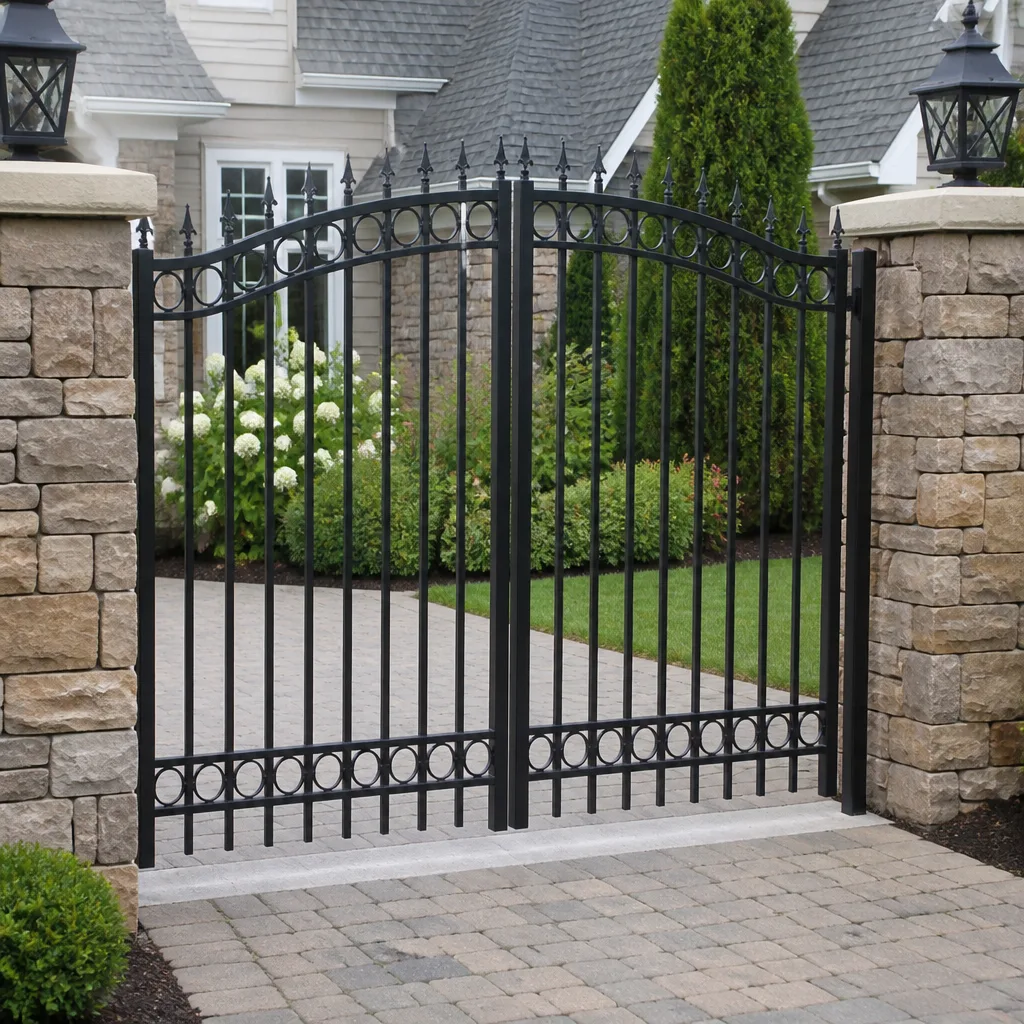 Wrought iron
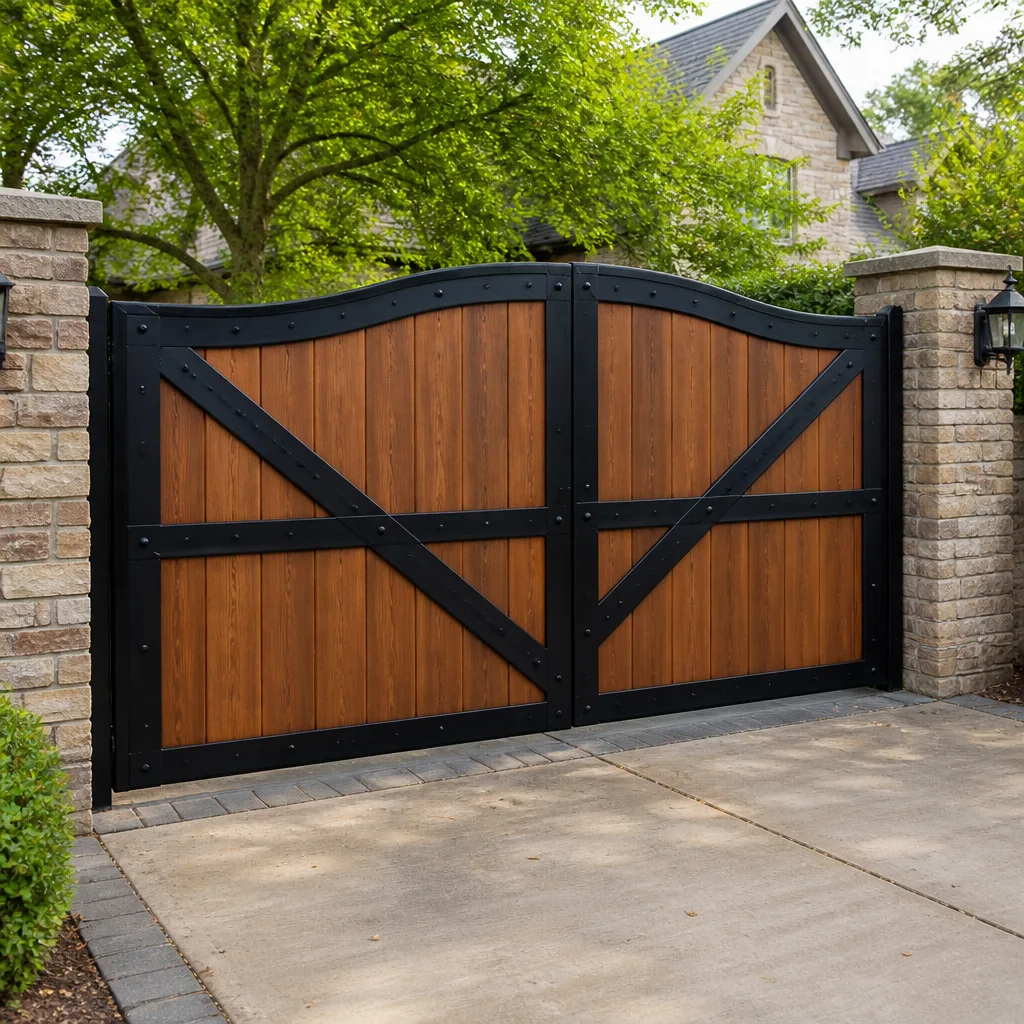 Wood & steel frame
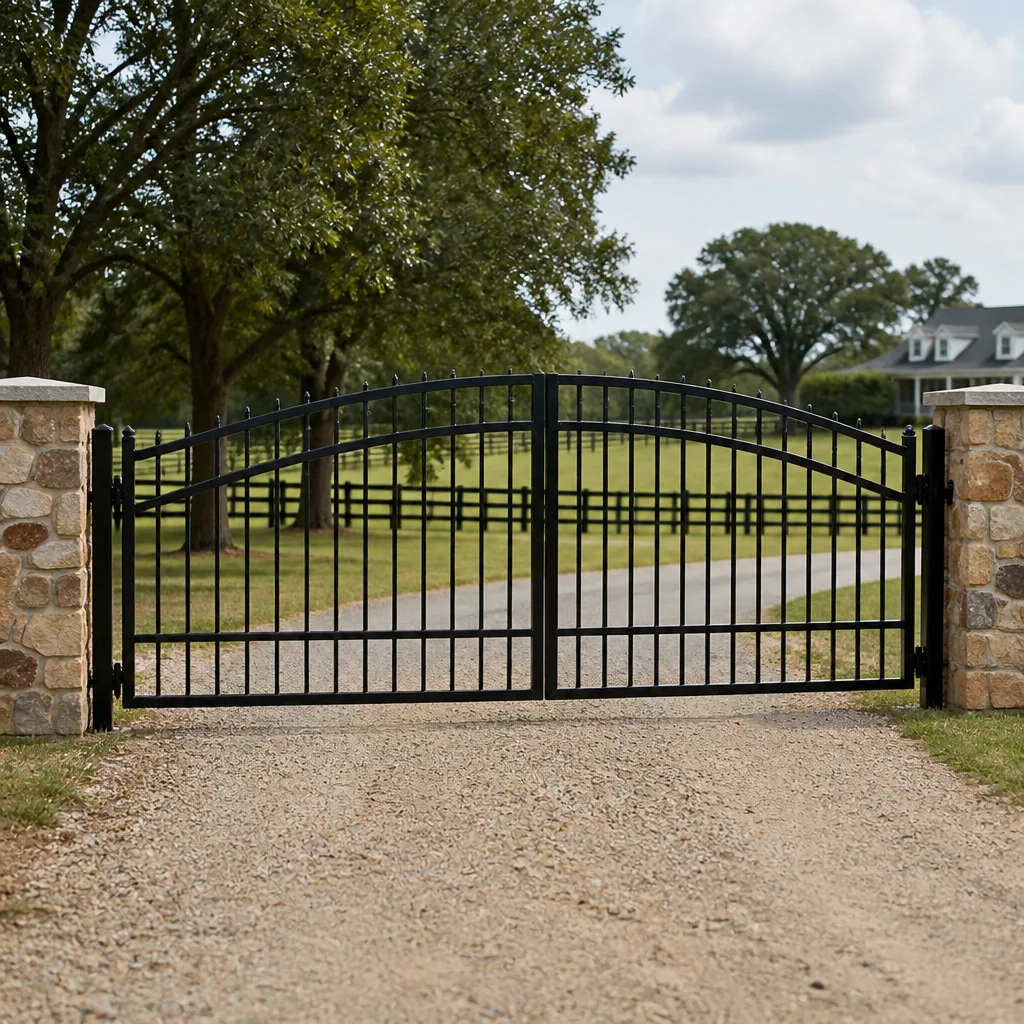 Farm & ranch
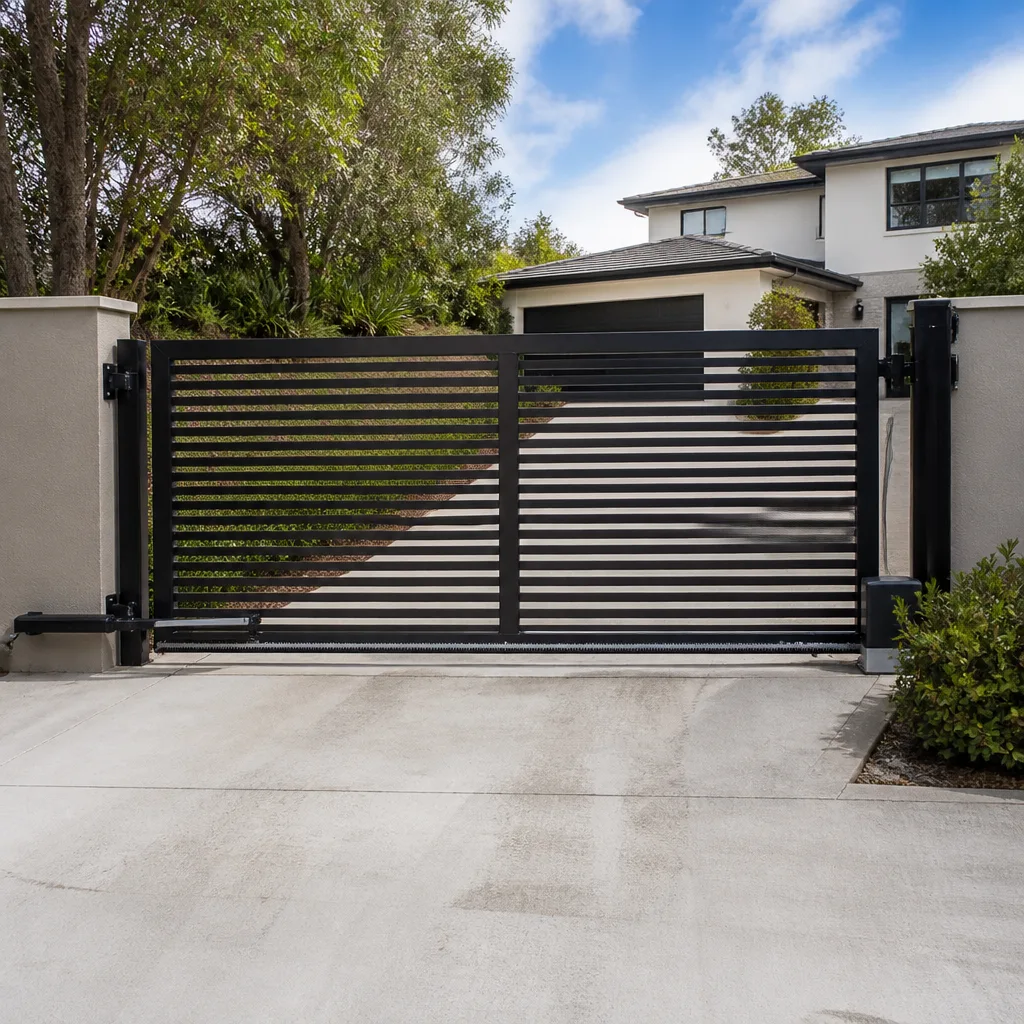 Sliding driveway gates
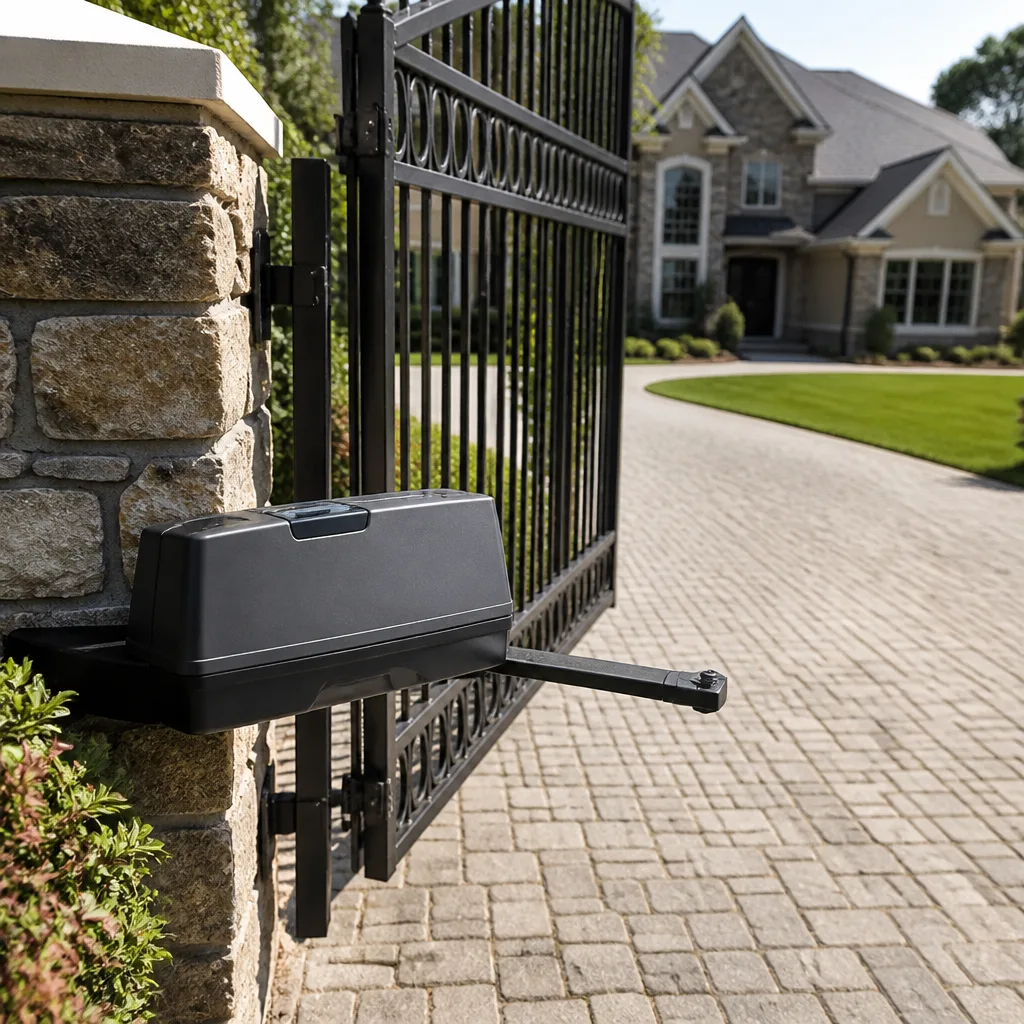 LiftMaster operators
Free on-site gate assessment - hinges, posts, and your LiftMaster or Nice gate operator checked before anything is quoted
The assessment is free and the quote is the invoice.
Get your free estimateGate Repair Permits, Codes & Inspections in Laurelhurst, OR: What You Need to Know
A gate replacement that wasn’t permitted can flag on a home inspection and stall or kill a sale. That’s not a scare tactic. Plenty of Laurelhurst homeowners assume that swapping out a gate for a new one counts as “repair,” and repair usually needs no permit. The trouble is that Portland and Multnomah County draw a firm line between repair and alteration, and new installation, electrical work on an operator, and structural changes all sit on the far side of that line. This guide explains where the line actually falls, what the Laurelhurst historic overlay adds on top of city code, and how unpermitted gate work gets cleaned up when it surfaces. We’ll also cover what inspectors look for and when you can legally handle a job yourself versus when you can’t.
Quick Answer
In Laurelhurst and the rest of Portland, minor gate repair, like replacing a hinge, a latch, or a board, generally needs no permit. A new gate installation, a change to the gate’s size, height, or structural supports, or new electrical work for an automated operator usually does require a permit, and the electrical portion needs a licensed electrician. On top of Multnomah County code, the Laurelhurst historic design overlay can restrict gate height, materials, and how visible automation is from the street. Pull the permits before work starts, keep the inspection records, and your gate won’t become a problem at resale.
Styles & brands we work with
- Wrought iron
- Wood & steel frame
- Farm & ranch
- Sliding driveway gates
- LiftMaster operators
Table of Contents
- Where repair ends and alteration begins under Portland and Multnomah County code
- Electrical work on a gate operator: what an electrician signs off on and what a gate technician can do
- Laurelhurst historic overlay rules that go beyond city code
- How to pull a gate permit correctly, step by step
- What a gate inspector actually checks
- What happens when unpermitted gate work is discovered
- HOA and property manager considerations
- Realistic permits and inspection timeline and cost expectations
Where Repair Ends and Alteration Begins Under Portland and Multnomah County Code
Most gate work in Laurelhurst is repair, and repair is the category that stays out of the permit office. The distinction rests on whether you’re restoring the gate that’s already there or changing it in a way that affects the structure, the footprint, or the electrical system. Portland’s building code treats the second category as an alteration, and alterations need permits. That single word decides more Laurelhurst gate projects than any other part of the process.
Here’s how the split usually plays out in practice:
- Repair, no permit in most cases: replacing a worn hinge, rehanging a sagging gate leaf on its existing posts, swapping a latch or lock mechanism, patching a weld, replacing a picket or panel with a matching piece, adjusting a track roller.
- Alteration, permit usually required: installing a brand-new gate where none existed, replacing a gate with a different size, height, or weight class, resetting or replacing posts, changing the swing direction or the opening width, adding structural bracing that alters the load path.
- Grey area, ask the city: installing a like-for-like gate in the same opening on the same hardware. Some jurisdictions treat a full replacement as an alteration even when the dimensions match; Portland’s approach can depend on the specific scope, so a five-minute call to the Bureau of Development Services settles it.
There’s a second layer in Laurelhurst. Because the neighborhood sits inside a historic design overlay, exterior work that’s visible from the street can trigger a design review even when the building permit is straightforward. We’ll get to that overlay in a moment, but it’s the reason “alteration” in Laurelhurst sometimes means two approvals, not one.
If you’re staring at a failed gate and aren’t sure which category your job falls into, a diagnostic visit from a gate specialist usually answers it before anyone touches a wrench. Our team works full-time on gates, not fences or general repairs, so we can tell the difference between a repairable leaf and a replacement that will need a permit. You can read more about how we scope gate repair for Laurelhurst properties if you’re still weighing your options.
Electrical Work on a Gate Operator: What an Electrician Signs Off On and What a Gate Technician Can Do
When a gate has a motor, the electrical work splits into two very different jobs. The 120-volt supply that feeds the operator, running from your panel or a dedicated circuit out to the gate location, is electrician territory. The low-voltage control wiring, limit switches, safety edges, loops, and the operator’s internal connections are gate technician territory. Confusing the two is one of the most common reasons a gate install gets red-tagged at inspection.
The practical breakdown looks like this:
- Licensed electrician: the dedicated circuit from the panel, the disconnect at the gate, the grounding and bonding, and any high-voltage conduit run to a pedestal or operator housing.
- Gate technician: mounting the operator, wiring the low-voltage control terminals, programming the limits, connecting safety edges and photo eyes, integrating keypads and loop detectors, and dialing in the access control panel.
- Overlap: the final connection between the electrician’s disconnect and the operator’s power terminals. Best practice is to have the electrician and the gate tech coordinate on a single visit so the inspector sees a complete, energized, functioning system rather than a half-finished one.
In Laurelhurst, where many lots are deep and the gate sits well back from the house, the circuit run is longer than average and often needs its own trench. That’s electrician work, and it’s exactly the kind of thing a general handyman shouldn’t be touching. If a technician offers to run the 120-volt line for your operator, that’s your cue to find someone else. Our team handles the gate side of the system, including the full operator install and control wiring, and we’re explicit about where the electrician’s scope begins. If you’re planning an operator upgrade, the gate motor & opener service page outlines what’s included in a motor swap and what needs a licensed trade.
For automated systems from brands like Viking and Ghost Controls, the control side is where most troubleshooting actually happens. Access codes get lost, limits drift, safety edges fail their test, and the operator refuses to close. None of that is electrician work, and none of it needs a permit to fix. But installing a new operator, or changing the circuit that feeds one, brings the inspection back into the picture.
Laurelhurst Historic Overlay Rules That Go Beyond City Code
Portland’s historic design overlay is the layer most homeowners forget until a neighbor files a complaint. Laurelhurst has a well-documented historic character, and exterior changes visible from the street are reviewed for compatibility with that character. The review process runs alongside the building permit, not instead of it, and it can add weeks to a project that would otherwise sail through.
What the overlay typically scrutinizes on gate work:
- Height and massing. A gate that reads as a fence-like screen rather than a fence-height element can trigger review, even if city code alone would let it through. Height changes to an existing gate are almost always reviewed.
- Materials and finish. Modern materials that clash with the neighborhood’s historic vocabulary (bright aluminum, high-gloss powder coats, composite panels) draw more scrutiny than painted steel or wood that reads as compatible.
- Automation visibility. An operator, keypad, or intercom mounted prominently at the street-facing edge of a driveway is more likely to be flagged than one hidden on the inside face of a pier or screened in a matching finish. Ghost Controls and Viking operators, for example, come in a range of housings, and the choice of finish matters here.
- Setback and sight lines. Changes to where the gate sits relative to the sidewalk or the house can affect review even when the gate’s own dimensions don’t change.
The overlay is the reason a Laurelhurst homeowner with a brand-new gate and a valid building permit can still end up with a code enforcement notice over the design review requirement. If your property sits inside the overlay boundary and you’re planning anything beyond a like-for-like repair, treat design review as a real step in the schedule, not a formality. When the review has to happen, it usually runs concurrent with the permit, so the total timeline is shorter than doing them sequentially.
How to Pull a Gate Permit Correctly, Step by Step
Pulling the permit is the easy part once you know the sequence. What trips people up is the order of operations, especially when the gate involves electrical work or sits in the historic overlay. Here’s the sequence we recommend for a typical Laurelhurst gate installation or significant alteration.
- Confirm the scope. Write down exactly what’s changing: gate dimensions, post locations, hardware, whether an operator is being added or replaced, and whether the electrical supply is new. This determines which permits you need.
- Check the historic overlay boundary. Confirm with the city whether your address falls inside the design overlay and whether the planned work is subject to design review. For anything visible from the street, assume it is until you’re told otherwise.
- Engage a licensed electrician early if the electrical supply is changing. Have them confirm the circuit, trench, and disconnect plan before you or your contractor pull the building permit, so the plans reflect reality.
- Submit the building permit application. Include a site plan drawn to scale showing the gate’s location, posts, and dimensions, plus the operator model if one is being added. The Bureau of Development Services publishes current submittal requirements, and they do change.
- Schedule the design review if the overlay applies. The review runs alongside the permit and, depending on the reviewer’s queue, may take longer than the building permit itself.
- Complete the installation with your gate contractor. If you’re coordinating between a gate specialist and an electrician, have both on site together for the final connections so the inspection can cover the whole system at once.
- Call for inspections. The building inspector looks at the gate structure and posts. The electrical inspector looks at the circuit, disconnect, and grounding. A final inspection is typically the last step before the permit closes.
- Keep the sign-off records. Save the inspection cards, the permit number, and the design review decision in a file with your home documents. Future buyers and home inspectors will ask for them, and the paperwork is the only proof that the work was legal.
If your plan involves a full replacement rather than a repair, the gate installation process page covers the site prep and hardware scheduling that happens between the permit and the inspection.
What a Gate Inspector Actually Checks
A gate inspection isn’t a mystery. Inspectors have a checklist, and the same handful of items comes up on nearly every gate job. Knowing them ahead of time is the difference between a pass and a callback.
- Post footings and anchoring. Posts must be set at the proper footing depth and anchored to the plans. A gate that’s solid in the ground but not built to the submitted drawings gets flagged.
- Gate dimensions and alignment with the permit. The gate that’s installed must match what the permit approved. A change of size or height made without revising the permit will fail.
- Structural integrity. Welds, hinges, and bracing must be sound. Inspectors will push on the gate to see if it racks or drags.
- Electrical disconnect and grounding. The operator’s supply must have a proper disconnect at the gate and correct grounding and bonding. This is electrician work, and it’s the most common electrical fail point.
- Safety devices on automated gates. Photo eyes, safety edges, and the reversal mechanism must be present and functional. An operator that closes without its safety devices is a fail every time.
- Overlay compliance. If design review applies, the installed gate must match the approved design: height, materials, finish, and visibility of hardware.
One note specific to Laurelhurst: older properties often have gates installed decades ago on piers that aren’t up to current footing standards. If you’re replacing a gate on existing piers, ask the inspector or the permit office whether the piers need upgrades as part of the scope. Getting that answer before the inspection saves a callback. A gate specialist who works on automated residential systems day in and day out can usually predict which items will draw attention, and this is the sort of thing Gate Repair Laurelhurst customers ask about most often.
What Happens When Unpermitted Gate Work Is Discovered
Unpermitted gate work surfaces in three ways: at a home inspection during a sale, when a neighbor or the city notices a change in the overlay, or when a homeowner tries to use the gate’s electrical system and finds it wasn’t inspected. Once it’s discovered, the fix is rarely as simple as paying a fine and moving on. The city can require the work to be brought into compliance retroactively, and that process has its own cost and timeline.
Here’s what the remediation typically involves:
- Assessment. The city determines what was actually built, whether it matches what was permitted (if anything was), and whether it can be brought into compliance or needs to be altered.
- Retroactive permit application. Some unpermitted work can be permitted retroactively, often with added inspection requirements. Not all of it can.
- Design review if the overlay applies. A retroactive review is often more expensive and more likely to result in changes than a proactive one, because the reviewer isn’t just approving a plan; they’re evaluating something already built.
- Possible alteration or removal. If the gate can’t be brought into compliance as built, the city can require changes to its height, materials, or placement, or its removal.
- Title and resale exposure. An unpermitted gate on a home inspection report can become a negotiation item, a closing delay, or a buyer walking away. The paperwork trail is the homeowner’s only defense.
We’ve seen the pattern enough times to know that the remediation cost is almost always higher than the cost of pulling the permit in the first place. The permit is cheap relative to the alternative. If you’re buying a Laurelhurst home with a recently installed or altered gate, ask for the permit and inspection records before closing. If they don’t exist, price the remediation into your offer.
HOA and Property Manager Considerations
Some Laurelhurst properties sit within HOA or neighborhood association boundaries that impose their own rules on top of city code and the historic overlay. Those rules can restrict gate height, materials, finishes, and even whether automated operators are allowed at all. For property managers overseeing shared access points or commercial entrances, the HOA layer is often the most restrictive of the three.
What HOA rules typically cover:
- Height and setback. An HOA can cap gate height below what the city allows, or require a specific setback from the property line.
- Materials and color. Matching finishes across a row of gates, or prohibiting chain-link, bright metals, or high-contrast paint.
- Automation restrictions. Some HOA rules require operators to be screened from view or limit where keypads and intercoms can be mounted.
- Review process. A separate architectural review, often with its own forms and timeline, before any exterior change is approved.
For commercial properties and small business owners, the access control side adds another dimension. DoorKing and Elite systems are common on shared driveways and commercial entrances, and the HOA or property manager often controls the credentials and the callbox programming. When the operator needs repair or replacement, coordinate with whoever holds the HOA’s access records. It’s easier to update credentials and reissue codes as part of the repair than to chase down the password later. If you’re managing a shared gate, a diagnostic visit before the repair is scheduled usually reveals whether the operator or the access panel is the actual problem.
Realistic Permits and Inspection Timeline and Cost Expectations
We can’t quote you a permit fee from this page because the city sets it based on scope, and the fee schedule changes. What we can do is lay out the timeline so you can plan around it. Most of the time a residential gate permit takes a few weeks end to end, and the design review portion of an overlay-compliant project can add to that. Commercial access points with electrical work and multiple inspections take longer.
Here’s a realistic sequence for a typical Laurelhurst residential gate installation:
- Scope confirmation and site plan: a few days to a week, including a diagnostic visit.
- Permit submittal and review: usually one to three weeks for a residential gate, longer if the plan needs revision.
- Design review, if the overlay applies: runs concurrent with the permit but can extend the total timeline.
- Installation: typically a day or two for the structure, with electrical work scheduled around the electrician’s availability.
- Inspections and closeout: usually within a week of installation, assuming no corrections.
The cost of the permit itself is small compared to the cost of the gate and the operator. The real cost exposure is the remediation if you skip it. If you need a firm number for a specific scope, the estimate is free and the price is set per job by the written estimate before any work starts. Call (844) 494-1604. We answer 24/7. Fast dispatch from 7am to 7pm, Sunday through Friday.
Common Mistakes to Avoid
- Assuming a like-for-like gate replacement is repair. It often isn’t. Ask the permit office before you order the new gate, because the answer determines whether your project is a one-visit job or a scheduled project.
- Letting a handyman run the 120-volt line. The circuit from your panel to the operator is electrician work and requires a licensed electrician. Hiring a general handyman for that portion puts the inspection and your insurance in jeopardy.
- Skipping the historic overlay check. In Laurelhurst, a valid building permit doesn’t cover design review. If the gate is visible from the street, check the overlay boundary first.
- Installing automation without safety devices. An operator without functioning photo eyes or safety edges fails inspection and creates a real hazard on a residential driveway.
- Not asking whether existing piers meet current standards. Replacing a gate on old piers without checking the footing requirements can mean a failed inspection and a re-do.
- Losing the paperwork. Store the inspection cards, permit number, and design review record with your home documents. Without them, the gate is unpermitted at resale, no matter how well it was built.
- Buying a gate before checking the overlay. Ordering a gate in a finish or height that design review will reject means replacing it or fighting the review. Get the design approval first, then order.
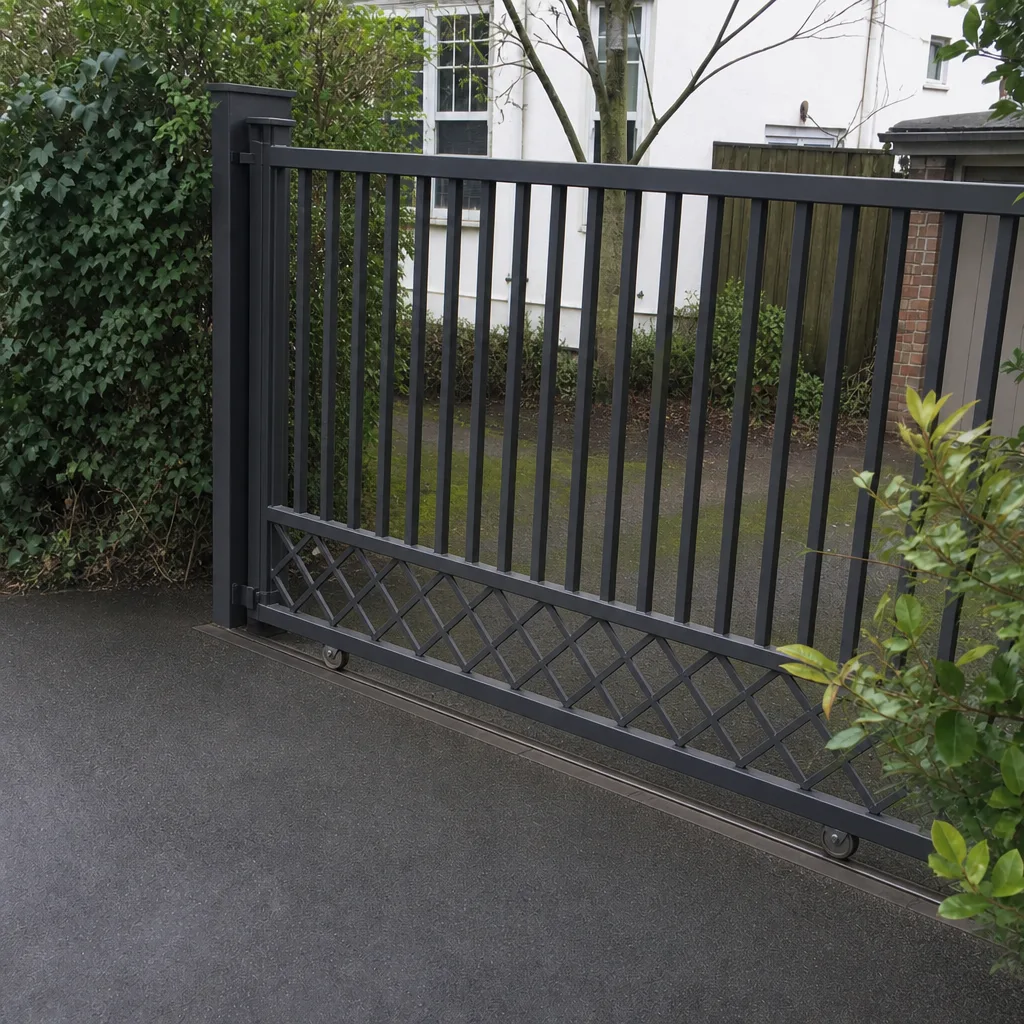
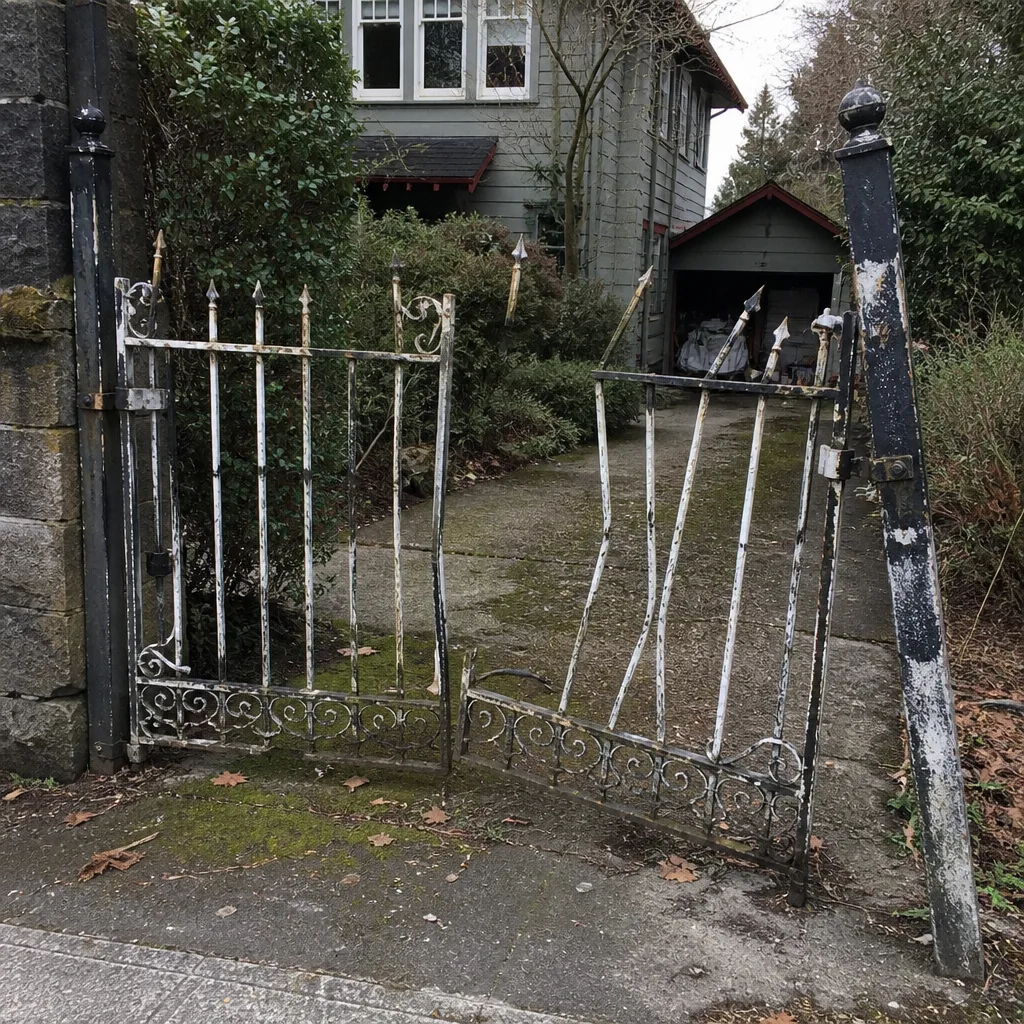
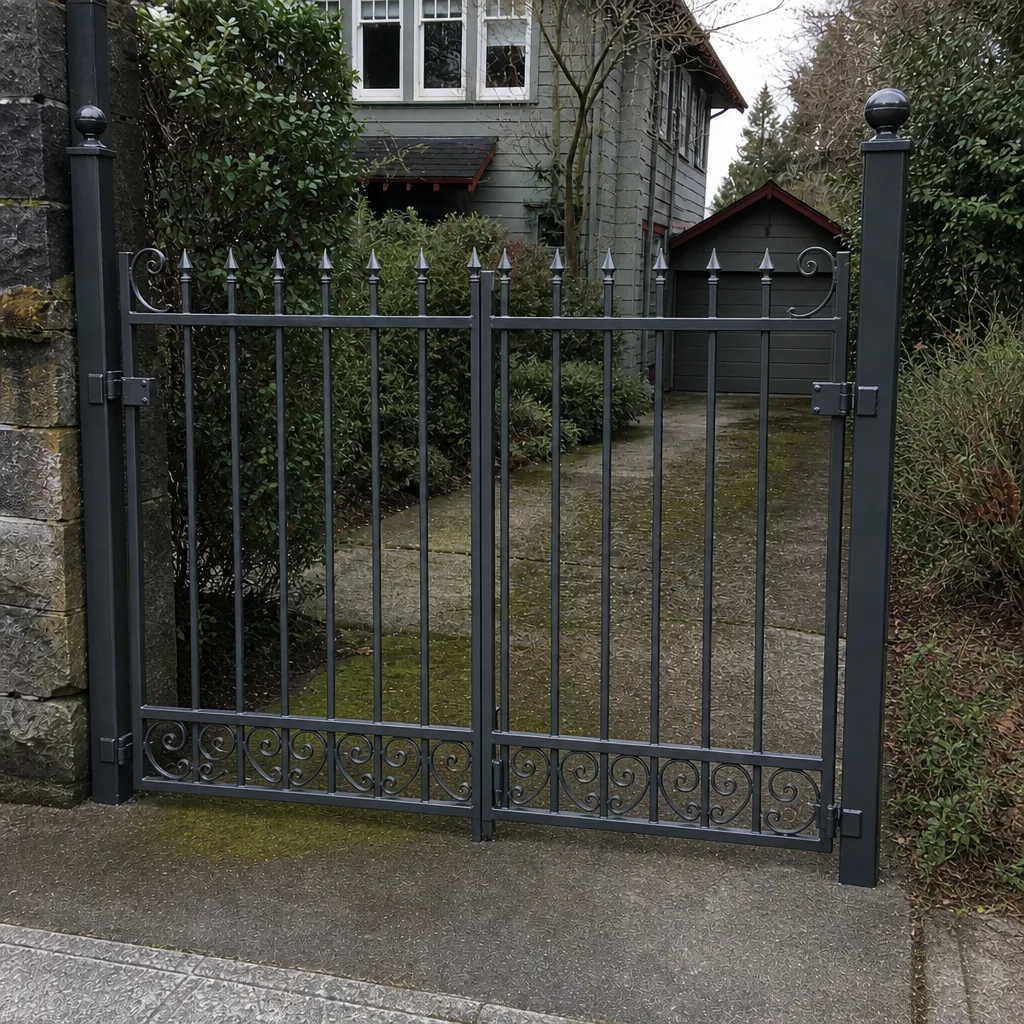
See the difference
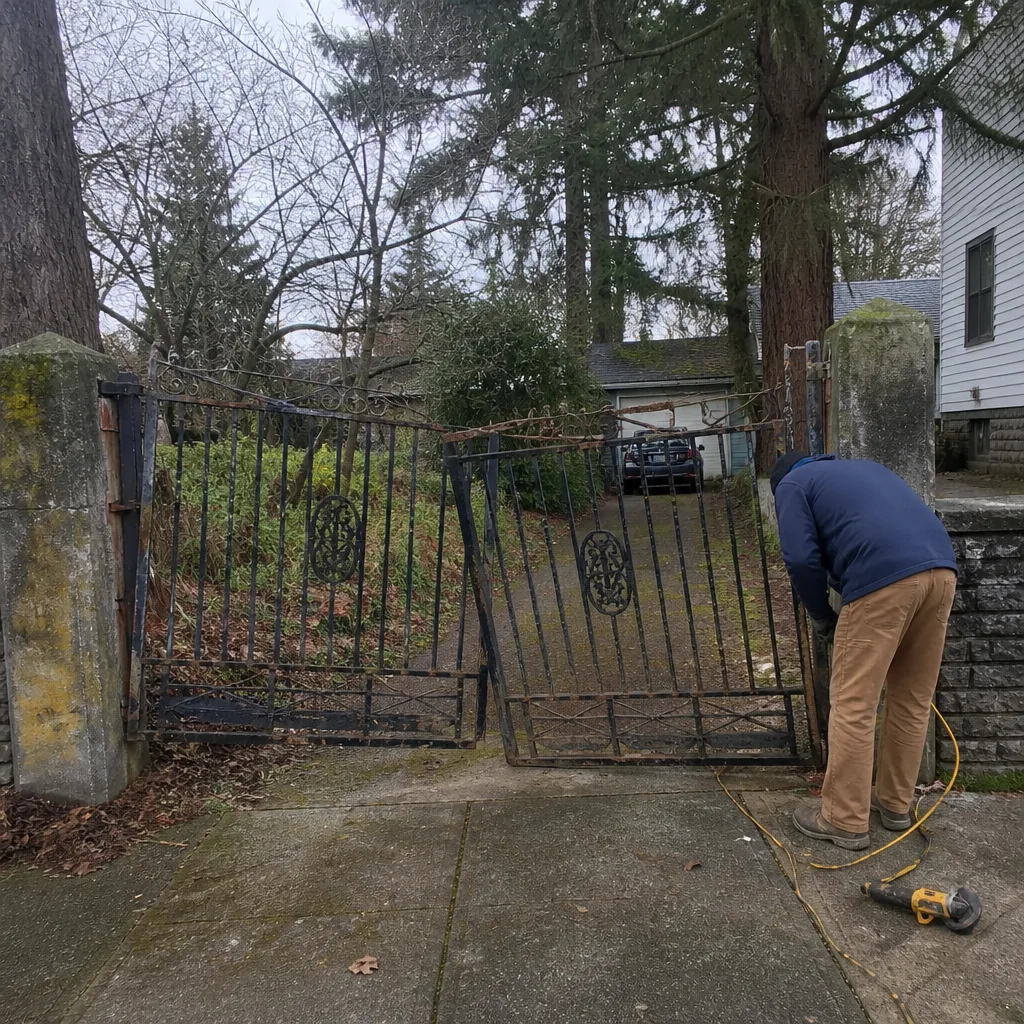 Before
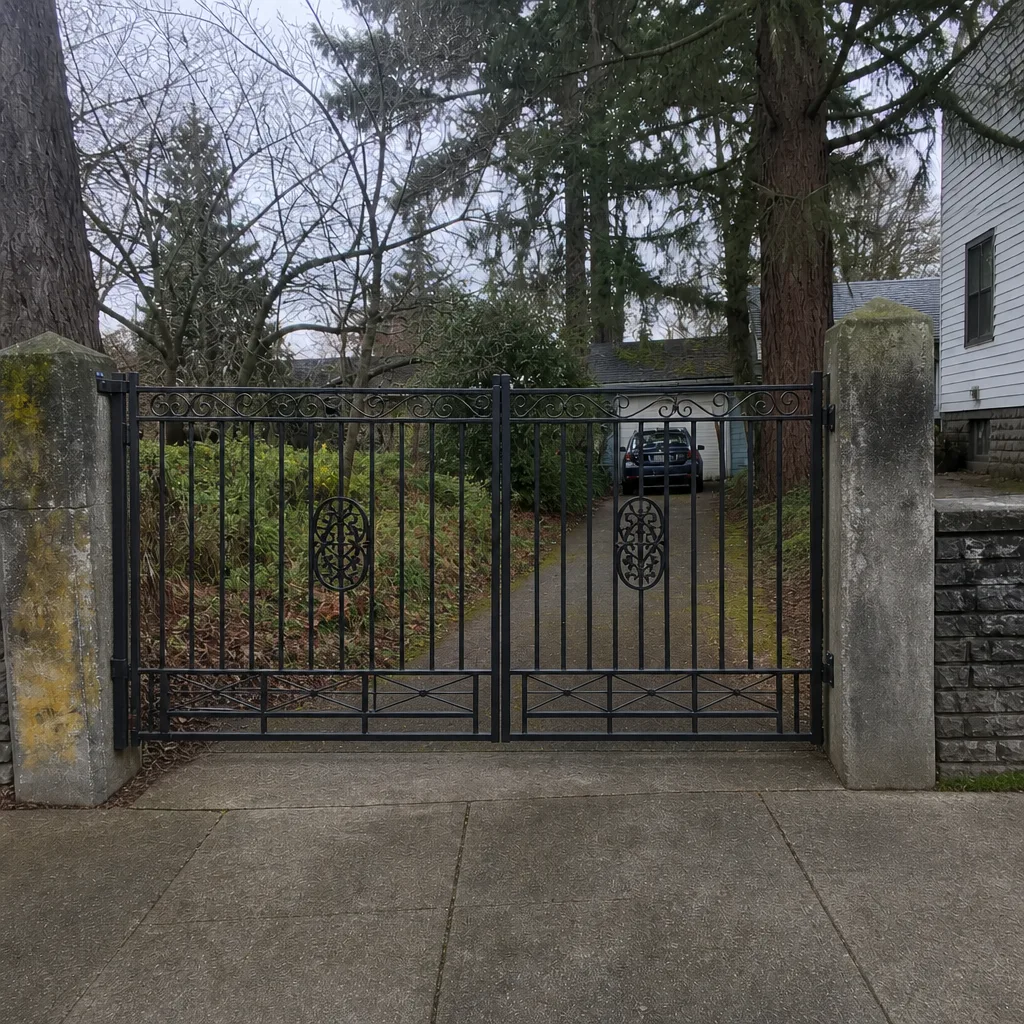 After
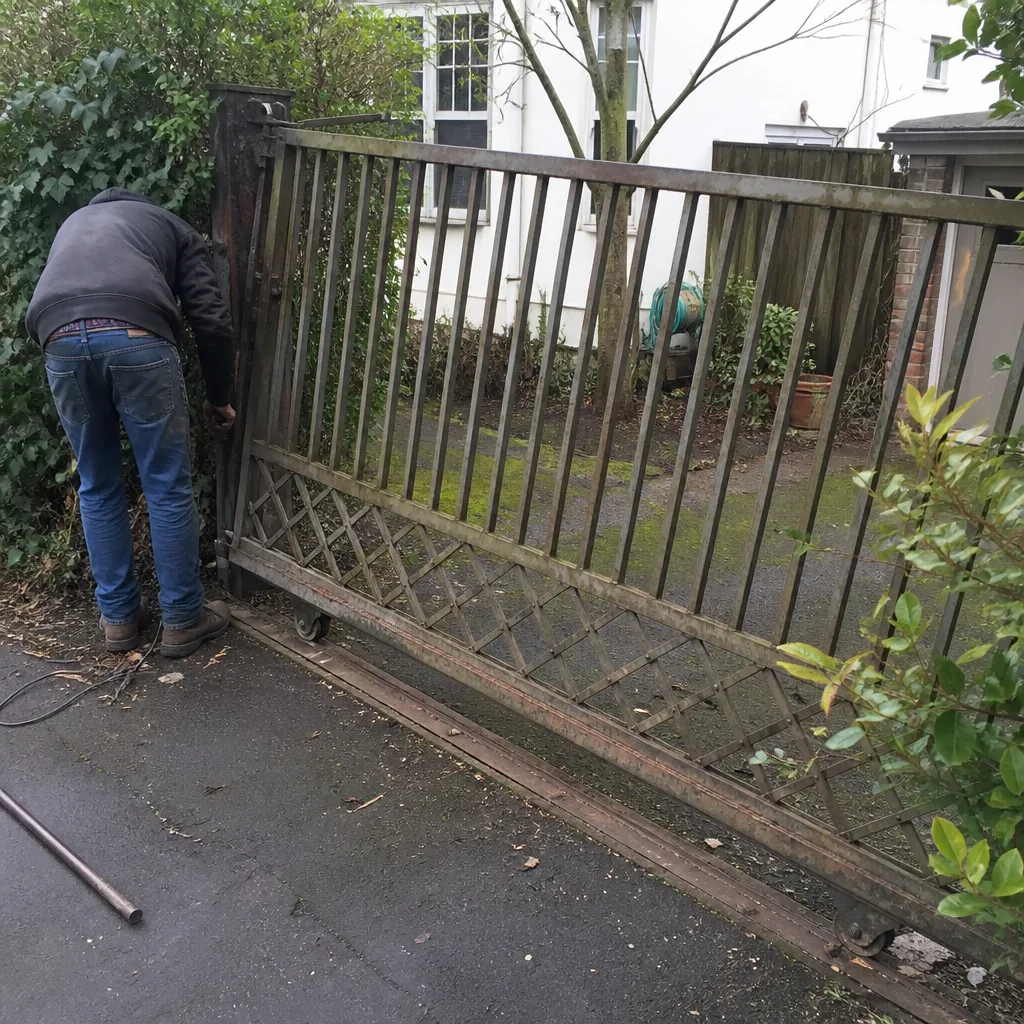 Before
 After
 Before
 After
When to Call a Professional
Call a professional when the job crosses from repair into alteration, when the electrical supply to an operator is being changed, when the gate sits inside the historic overlay, or when you’re not sure which of those is true. Call us too if the gate is automated and the operator is failing, the safety devices aren’t testing correctly, or you’re hearing a brand like Viking, Ghost Controls, DoorKing, or Elite and want to know whether the system can be repaired rather than replaced. Our technicians have up to 8 years of experience, work exclusively in gate systems, and can diagnose the scope and tell you which permits apply before anyone digs up the yard. Gate Repair Laurelhurst offers free estimates in Laurelhurst. Call (844) 494-1604. We answer 24/7. Fast dispatch from 7am to 7pm, Sunday through Friday.
Frequently Asked Questions
Most minor gate repair does not need a permit in Laurelhurst or Portland more broadly. Replacing a hinge, a latch, or a single damaged board, or rehanging a sagging leaf on existing posts, is considered repair and stays out of the permit process. Once the work changes the gate’s size, structure, posts, or electrical system, it’s an alteration and generally needs a permit. If you’re unsure which category applies, call the Bureau of Development Services before work starts, or ask a gate specialist to scope the job first. Call (844) 494-1604 for an exact quote on your repair. Estimates are free.
In Portland, the 120-volt circuit that supplies a gate operator requires a licensed electrician, including the disconnect, grounding, and bonding at the gate. The low-voltage control side, including limit switches, safety edges, loops, and the operator’s internal wiring, is gate technician work. The two trades usually coordinate on the final connections so the inspector can review the whole system in one visit. If a technician without an electrical license offers to run the 120-volt line, stop and hire a licensed electrician for that portion. Call (844) 494-1604 for the gate side of the job.
The Laurelhurst historic design overlay can restrict gate height, materials, finish, and the visibility of automation from the street, and it can require design review even when the building permit is straightforward. The overlay runs alongside city code, not instead of it, so a gate installation in the overlay area often needs two approvals, not one. Confirm with the city whether your address falls inside the overlay before ordering materials. A gate that meets city code but fails design review still has to come down or be altered. Call (844) 494-1604 for a free estimate that accounts for the permit scope.
A gate inspection in Portland typically covers post footings and anchoring, the gate’s dimensions and alignment with the approved permit, structural integrity of the welds and hinges, the electrical disconnect and grounding, the function of safety devices on automated gates, and compliance with any design review approval. The building inspector looks at the structure; the electrical inspector looks at the circuit. Miss any of these items and the inspection is a callback. Have your gate contractor and electrician coordinate so the inspection sees a finished, working system. Call (844) 494-1604 for a free estimate before your project.
An unpermitted gate can surface during the home inspection and become a negotiation item, a closing delay, or a reason a buyer walks away. The buyer’s agent will ask for the permit and inspection records, and without them the gate is treated as an unpermitted improvement. Remediation usually means a retroactive permit application, possible design review, and, in some cases, alteration or removal of the gate. The cost is almost always higher than pulling the permit upfront. If you’re buying a Laurelhurst home with a recently installed gate, ask for the paperwork before closing. Call (844) 494-1604 to have the gate scoped for compliance.
Yes. We handle the operator install, low-voltage control wiring, safety devices, and access control integration for the brands we work on, and we coordinate with your licensed electrician for the 120-volt supply and disconnect. On a permitted installation, that coordination happens before the inspection so the whole system is finished and working. Our technicians work exclusively on gate systems, including automated residential driveways and commercial access points, and we can source parts for the brand you already have rather than pushing a full replacement. Call (844) 494-1604 for a free estimate on the gate and operator work.
The Bottom Line
Gate repair in Laurelhurst, Oregon, mostly stays out of the permit office. Gate installation, structural alterations, new electrical work, and anything visible from the street inside the historic overlay usually does not. The permit is the cheap part; the remediation is the expensive part. Design review, in particular, is the step most homeowners miss, and it’s the one that turns a straightforward gate project into a months-long negotiation. Get the scope right before you order the gate, coordinate the electrician and the gate technician on a single visit for the final connections, and keep the inspection paperwork. Our team works on the gate and operator side of the job, not the electrical supply. Call (844) 494-1604 for a free estimate before your Laurelhurst project begins.
Written by the team at Gate Repair Laurelhurst.