
Last updated November 25, 2026
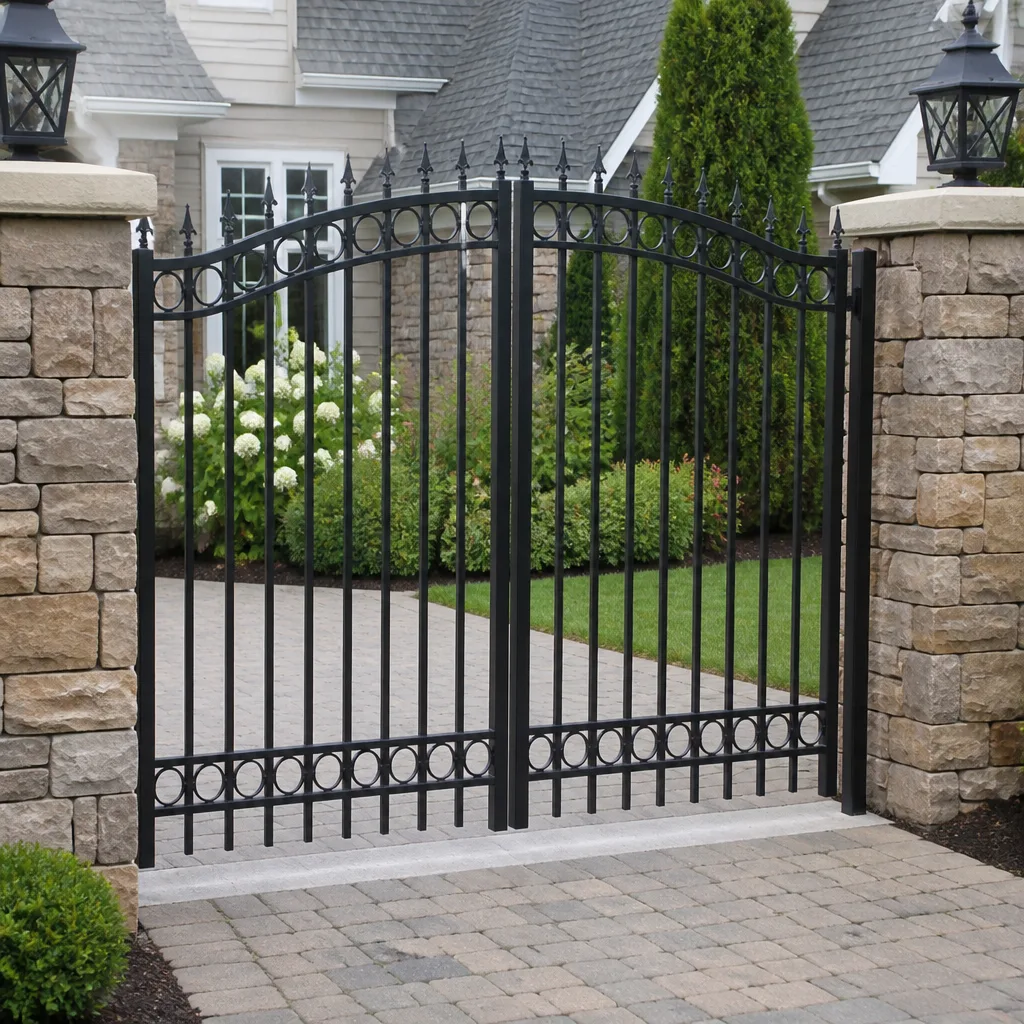 Wrought iron
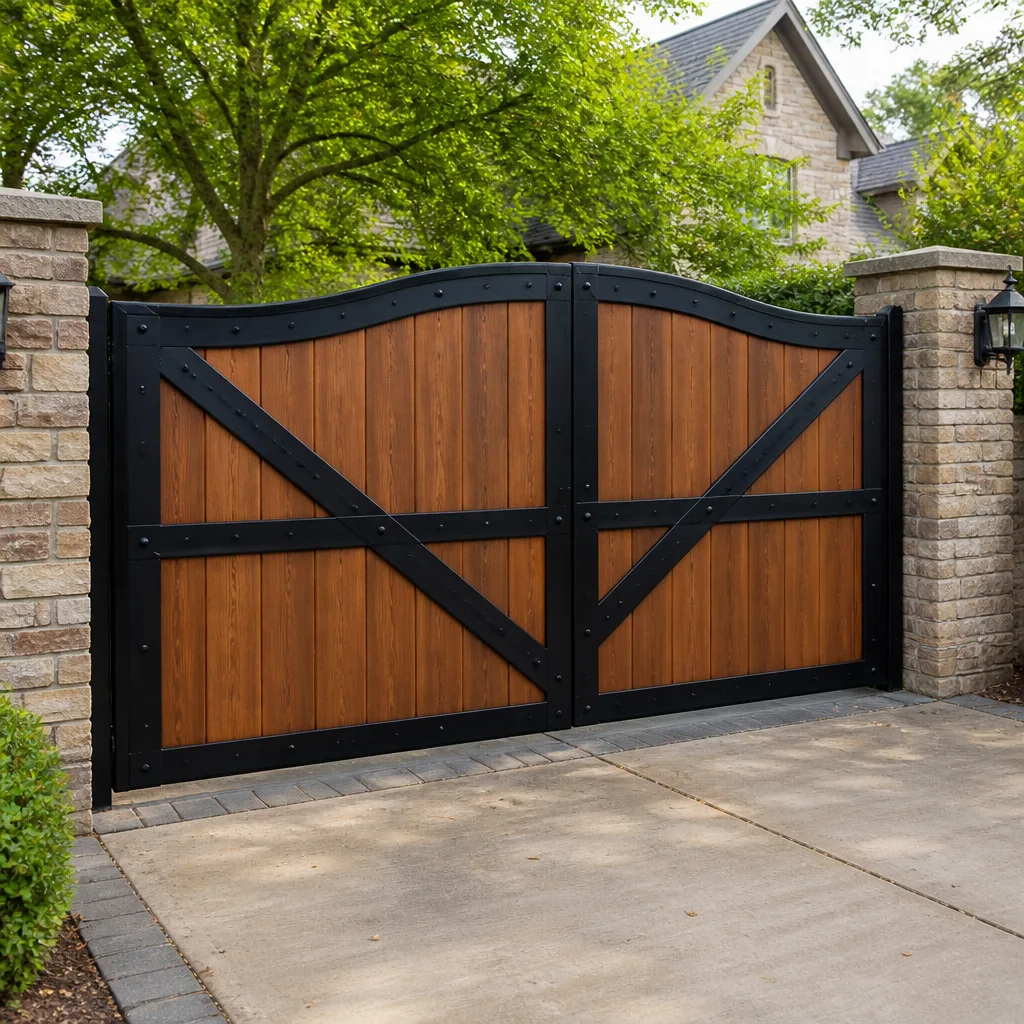 Wood & steel frame
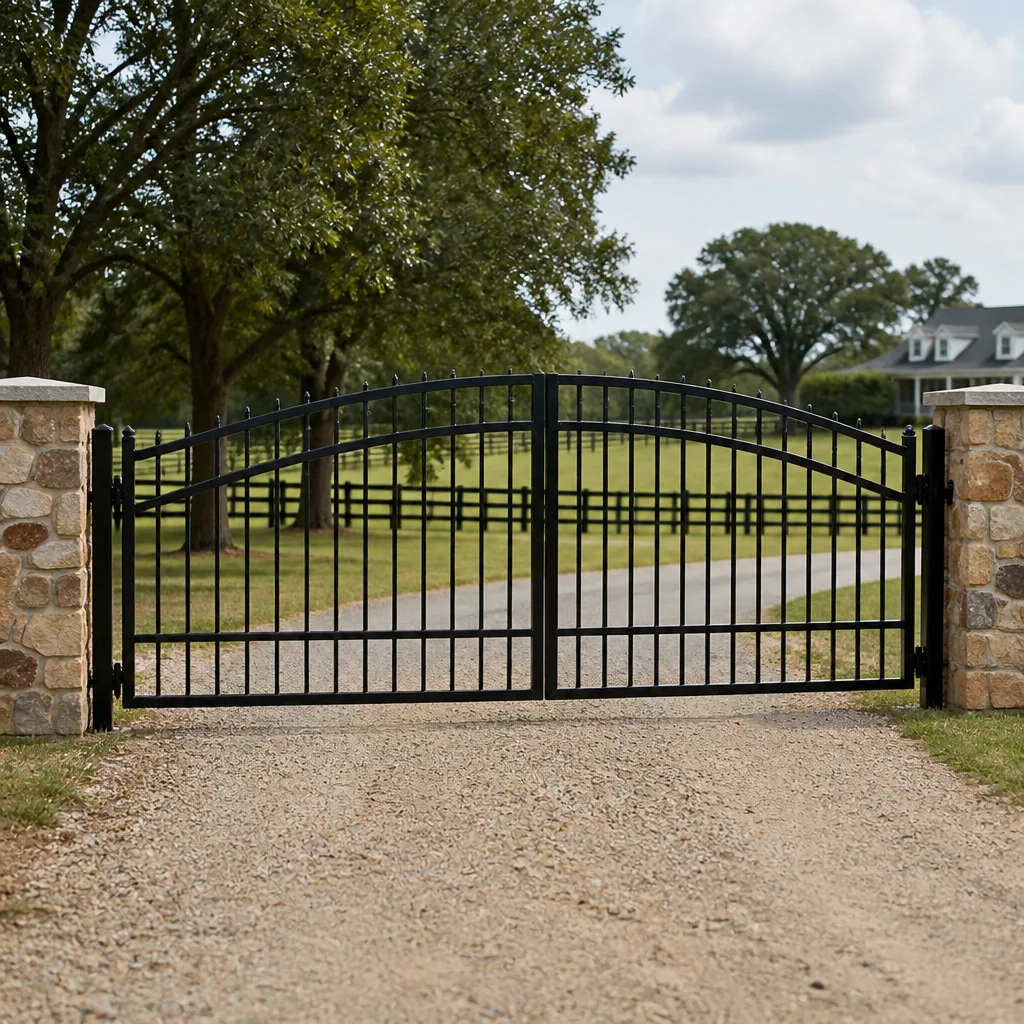 Farm & ranch
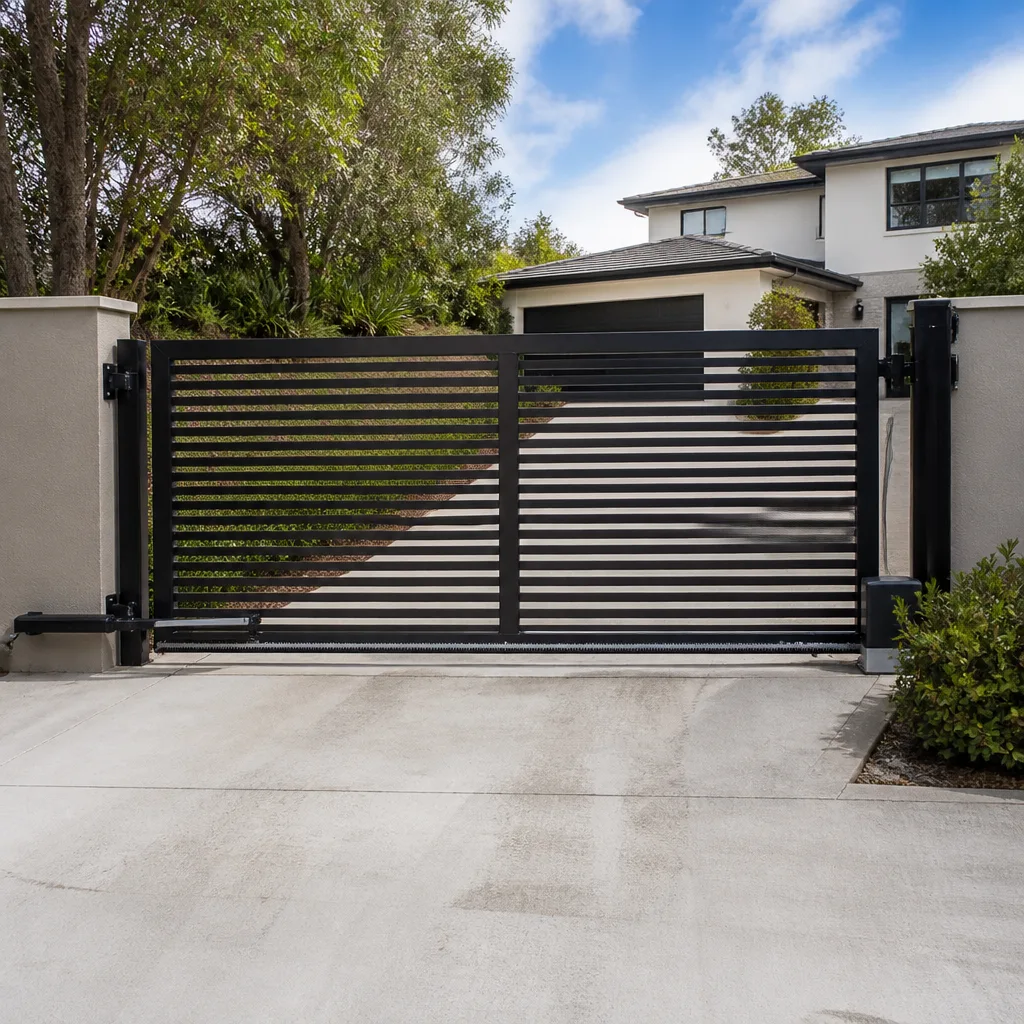 Sliding driveway gates
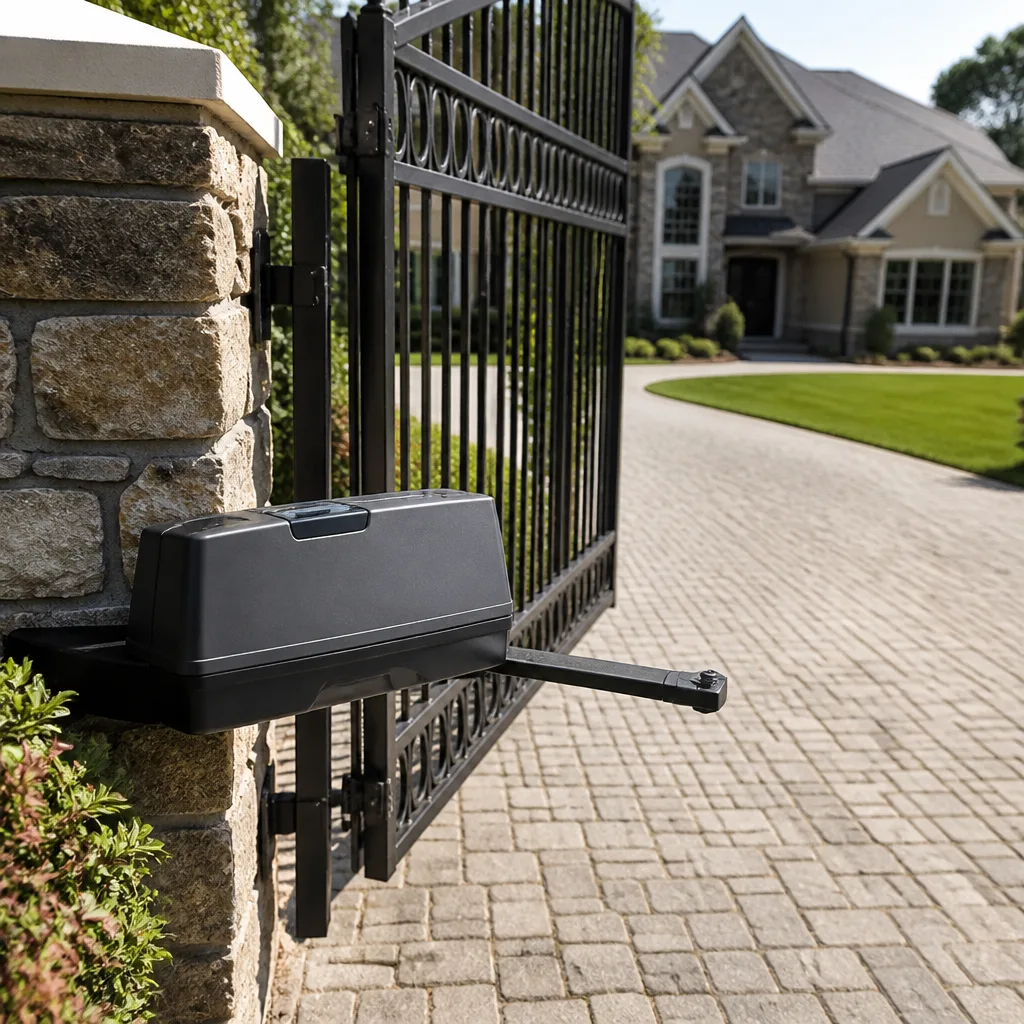 LiftMaster operators
Free on-site gate assessment - hinges, posts, and your LiftMaster or Nice gate operator checked before anything is quoted
The assessment is free and the quote is the invoice.
Get your free estimateThe Complete Guide to Gate Repair in Laurelhurst
A gate that stops halfway and reverses usually isn’t a dying motor. More often it’s a limit switch that drifted out of position, or a safety sensor reacting to a shadow or a branch leaning into its beam. Homeowners replace motors all the time when the real fault lives somewhere much cheaper. That mismatch between what a gate does and what’s actually wrong is the single most costly mistake in gate work. This guide maps the full failure-to-fix arc for Laurelhurst properties: the five root causes behind nearly every breakdown, how this neighborhood’s wet winters and heavy soil shape the wear patterns we see, what each stage of service should involve, and how to tell a sound repair from a lost cause before anyone shows up at your driveway.
Quick Answer
Gate repair in Laurelhurst generally falls into one of five categories: mechanical, electrical, structural, operator, or access control. Diagnosing which category a failure belongs to before replacing parts is what separates a modest repair from an unnecessary full replacement. An on-site assessment, a written estimate, and a brand-matched fix resolve most residential driveway gate problems without new equipment.
Styles & brands we work with
- Wrought iron
- Wood & steel frame
- Farm & ranch
- Sliding driveway gates
- LiftMaster operators
Table of Contents
- The Five Root Causes of Gate Failure
- Why Laurelhurst Soil and Winters Wear Gates Differently
- The Full Service Arc: From Emergency Call to Long-Term Care
- Brand-Specific Failure Patterns and Why Fluency Matters
- Repair or Replace? Reading the Structural Signs
- Automated and Electric Gate Systems: What to Expect
- Access Control: The Layer Most People Forget
- What Drives the Cost of Gate Repair
The Five Root Causes of Gate Failure
Every gate problem we diagnose comes down to one of five things, and knowing which one you’re facing tells you a lot about what the repair will involve. Here’s how the categories break down.
- Mechanical failure. Hinges that sag, rollers that seize, tracks that bend, latches that no longer catch. The gate moves but not cleanly. On a sliding gate this often shows up as grinding or dragging; on a swing gate, as a leaf that drops and scrapes the ground.
- Electrical failure. The operator has no power, trips a breaker, or the wiring to the gate has been damaged. Before assuming a dead motor, check whether power is reaching the unit at all and whether the control board shows any sign of life. Wiring and control board work involve live current, so leave that diagnosis to a technician.
- Structural failure. Posts shift, welds crack, frames bend. This is the category that most often decides whether a repair makes sense at all, because a perfectly good motor bolted to a leaning post will keep failing.
- Operator failure. The automated unit itself is faulty: a control board, a gear, a limit switch, a battery or capacitor. This is the most common misdiagnosis, because operator symptoms often mimic mechanical ones.
- Access control failure. Keypads, remotes, intercoms, card readers and entry panels stop communicating with the operator. The gate and motor are fine but won’t open because the signal never arrives.
Our experience is that homeowners tend to jump to the operator because it’s the visible electronic part, when the true fault is often mechanical or structural. A gate that “acts up” inconsistently usually has a sensor or limit issue. A gate that runs smoothly but opens for nobody has an access control problem. Getting the category right is the whole game. For a focused look at the repair side, our gate repair service covers all five categories.
Why Laurelhurst Soil and Winters Wear Gates Differently
Laurelhurst sits on the clay-heavy soils and wet-winter pattern that shape a lot of gate wear in this part of Oregon. That combination produces failure patterns you simply don’t see in drier climates, and it’s why a gate here can look fine one season and be dragging the next.
The core issue is clay and water. Clay soil holds moisture and expands when wet, then contracts as it dries. Over a wet Laurelhurst winter, freeze and thaw cycles and saturated ground work on gate posts and hinge anchors. A post that was plumb when installed can shift slightly, and a shift of even a small amount throws off the whole geometry of a swing gate. That’s why so many “the motor is struggling” calls here turn out to be a post that has moved and a gate that now binds against its own hinges.
Hinge stress is the other big one. When a gate leaf sags because its post has shifted, the hinges and the operator both take loads they weren’t designed for. Left alone, that cascades: worn hinges accelerate operator strain, and operator strain turns into failed gears and overloaded control boards.
- Sliding gates on clay soil drift out of track alignment as the ground under the track shifts.
- Swing gates develop sag and scrape because the hinge post loses its plumb.
- Wet winters accelerate fastener corrosion and wood swelling on timber gates.
- Dry summer settling then re-tightens the ground, so problems seem to “fix themselves” and then return the next wet season.
What this means practically: in Laurelhurst, a structural check should come before any operator repair. If the post or frame has moved, fixing the motor first just buys you a second failure. A trained technician will check the foundation and gate geometry before touching the electronics, and we treat that sequence as non-negotiable for local gates. When a whole new system is the answer, that’s where gate installation comes in.
The Full Service Arc: From Emergency Call to Long-Term Care
Gate work isn’t a single transaction. It’s a sequence, and each stage builds on the one before it. Skip a stage and you usually pay for it later. Here’s how the arc runs for a Laurelhurst property.
- The emergency call. The gate is stuck open, stuck shut, or behaving unpredictably. The goal at this stage is safety first: secure the opening, confirm nobody is trapped, and stop the gate from moving under its own power if it’s cycling on its own.
- On-site diagnosis. A technician checks all five root-cause categories in order: structure, mechanical, electrical, operator, access control. This sequence prevents the expensive mistake of replacing the operator when the post moved.
- Written estimate. You get a clear scope of work and a price before anything is touched. The written estimate sets the final price, so there are no surprises on the invoice.
- The repair. Parts are matched to your existing brand so the rest of the system keeps working together. We work on the brand you already have wherever possible.
- Access control and operator confirmation. The gate cycles, the safety edges and sensors are tested, and every entry method (remote, keypad, intercom) is verified working.
- Long-term care. A one-time maintenance visit, priced per job after the gate is inspected, catches the hinge wear and post shift that lead to bigger failures. It’s cheaper than waiting for the next breakdown.
Skipping step two is where costs blow up. A homeowner who replaces an operator without checking structure gets a new motor straining against a misaligned gate, and the new unit fails early too. Skipping step six is subtler: the gate works, so nothing gets checked, and the slow drift of a hinge or post goes unnoticed until it’s a much bigger job. In a climate like Laurelhurst’s, where the ground moves seasonally, that slow drift is the norm rather than the exception.
Brand-Specific Failure Patterns and Why Fluency Matters
Gates aren’t generic. Each operator line has its own tendencies, its own control logic, and its own parts, and a technician who knows the brand diagnoses faster and sources parts without sending you shopping. We work across nine major gate system brands, and the differences matter in the field.
On the residential side, brands like Ghost Controls and Mighty Mule are common on driveway swing gates. Both are capable, and both have specific weak points: battery and solar charging behavior, limit settings that drift, and control boards that react to voltage dips. Commercial and higher-duty systems like FAAC, BFT, and DoorKing show different patterns, usually around heavier cycle counts, access integration, and the wear that comes with constant use at a commercial entrance. LiftMaster, Linear, Viking, and Elite each have their own control board and sensor logic that changes how a fault presents.
Why brand fluency matters in diagnosis:
- A symptom that means “control board fault” on one brand can mean “limit switch drift” on another.
- Safety sensor and photo-eye behavior differs by brand, which changes how you read an intermittent reverse.
- Parts availability varies, and knowing the line means knowing where to source a match instead of proposing a whole new operator.
- Programming and access control pairing follow brand-specific steps, so integration is smoother when the technician knows the system.
In our experience, the fastest path to a correct fix is a technician who recognizes the brand’s habits on sight. That’s the reasoning behind our focus: gate specialists, not generalists, means the person at your gate has a whole professional vocabulary built around these systems. We’re independent and experienced with these brands, not tied to any one of them, so the recommendation is based on your gate. When the operator itself needs replacing, that falls under gate motor & opener work.
Repair or Replace? Reading the Structural Signs
The hardest call in gate work is deciding when a repair is structurally sound and when the gate or its posts are too far gone for repair to make sense. A repair is worth doing when the structure underneath is sound. It’s throwing money away when the post, frame, or foundation has failed badly enough that any fix will fail again.
Signs a repair is sound:
- Posts are plumb and the gate hangs true when disconnected from the operator.
- Welds and frame are intact, with surface corrosion only.
- The gate moves freely by hand along its full travel.
- The failure is in the operator, hinges, rollers, or access control, not the foundation.
Signs repair may be a waste:
- A post has shifted or rotted below grade, or the footing has failed.
- The frame is bent or cracked in multiple places.
- The gate binds or drags even with the operator disconnected.
- The existing hardware is so worn that every component is at end of life at once.
Here’s where Laurelhurst’s clay soil matters again. A post that has shifted because the ground moved isn’t a cosmetic problem; it will keep moving. Sometimes the right answer is to reset or replace the footing and rehang the gate, and sometimes it’s a new gate system sized for the opening. A good technician tells you which, with the structural evidence in front of them, not a sales pitch. The honest answer is sometimes “a full replacement costs less over the next few years than patching this,” and you deserve to hear that plainly.
Automated and Electric Gate Systems: What to Expect
Electric and automated gates are where most homeowners feel least confident, because the failure could be mechanical, electrical, or access control, and the symptoms overlap. Automated gate repair done right the first time starts with isolating the layer that’s actually failing. Here’s how a technician narrows it down.
- Confirm power and control. Is the operator receiving power? Does the control board show life? Wiring and live electrical are for a trained technician, never a DIY check, because gate operators run on line voltage and a mistake there is genuinely dangerous.
- Test the gate free of the operator. Disconnect the operator and move the gate by hand. If it binds or drags, the problem is mechanical or structural, and the operator was only the messenger.
- Check the safety devices. Safety edges and photo-eyes are a frequent cause of a gate that reverses or refuses to close. A misaligned sensor or a shadow can trigger a reverse that looks like a motor fault.
- Check the limits and programming. Limit switches that drift cause partial travel and reversal. Brand-specific programming restores correct travel.
- Check the access layer. If the gate and operator are healthy but nothing opens it, the fault is upstream in the access control.
On the safety side, be cautious with anything involving the operator’s wiring, the power run, or the control board. These are not parts to test with a screwdriver and hope. A trained professional should handle electrical diagnosis and any work near the line voltage, and we recommend against opening the operator housing yourself. If you’re scheduling automated work rather than an emergency, the sensible first step is a free on-site estimate and a written price, because automated repairs are measured and matched to your system rather than rushed.
Access Control: The Layer Most People Forget
A gate can be mechanically perfect and electrically healthy and still not open, because the failure sits in the access layer. Keypads, remotes, intercoms, card readers and entry panels are all part of the picture, and they’re the piece homeowners most often overlook when a gate “just stopped working.”
Access control failures usually look like one of these: the keypad accepts a code but the gate doesn’t move, the remote works only up close or not at all, an intercom rings but won’t release the gate, or a card reader stops recognizing credentials. In each case the gate and operator may be fine, and the fix lives in the panel, the wiring between the panel and the operator, or the programming that pairs them.
Modern access control is more capable than the simple remotes of a decade ago, and pairing it correctly with your operator is what makes it reliable. Because we handle the full-lifecycle gate service, the same specialist who fixes a failed control board can set up the access panel and confirm everything talks to each other. That matters most at commercial access points, where multiple users, schedules and credentials have to work without constant babysitting. From the motor to the access panel, it’s one relationship instead of three contractors pointing at each other.
What Drives the Cost of Gate Repair
Gate repair is priced per job after a technician inspects the gate, because the honest cost depends on which of the five root causes is behind the failure. There’s no single number that fits every gate, and any quote given before someone looks at your gate is a guess. What we can tell you is what moves the price up or down.
- Root cause. An access control or limit switch fix is a different job than a post reset or operator replacement.
- Parts and brand match. Matching a part to your existing brand keeps the rest of the system working together, and availability varies by line.
- Structural work. Post resetting, footing work or frame repair adds time and materials beyond a component swap.
- Access and automation. Integrating or repairing access control and automated systems adds a layer of diagnosis.
- Gate type. A residential driveway slider and a commercial swing gate carry different loads and different components.
The estimate is free, and the written estimate sets the final price, so the number you agree to before work starts is the number you pay. The thing we want homeowners to hear clearly: you should never get an invoice bigger than the quote. If a technician finds something new mid-job, that gets discussed and agreed before it’s done, not added afterward. Getting the root cause right the first time is the real cost saver, because it stops you paying twice. Call (844) 494-1604 for an exact quote; estimates are free.
Common Mistakes to Avoid
- Replacing the operator before checking structure. In Laurelhurst’s clay soil, a shifted post masquerades as a motor problem. Replacing the motor first means the new unit fails against the same misaligned gate.
- Assuming a reverse means a bad motor. A gate that reverses before closing is usually a limit switch or a safety sensor reacting to an obstruction or a shadow. Diagnose the sensor before pricing a motor.
- Ignoring a seasonal “fix” that comes back. A gate that seems fine in dry summer and drags again in the wet season is telling you the ground moved. That’s a structural check, not a fluke.
- Using a general handyman for automated systems. Gate operators run on line voltage and follow brand-specific logic. A generalist may get a simple hinge right but can misdiagnose the control board or wiring.
- Forgetting the access layer. When a gate and motor are fine but nothing opens it, the fault is in the keypad, remote, intercom or reader. Check that layer before condemning the operator.
- Skipping a one-time maintenance check. Hinge wear and post drift are slow and silent. A single inspection visit catches them before they turn into a full replacement.
- Letting a leaf drag “for now.” A gate scraping the ground strains hinges and the operator every cycle. What starts as a hinge adjustment becomes a motor or a footing job when it’s left alone through a wet Laurelhurst winter.
See the difference
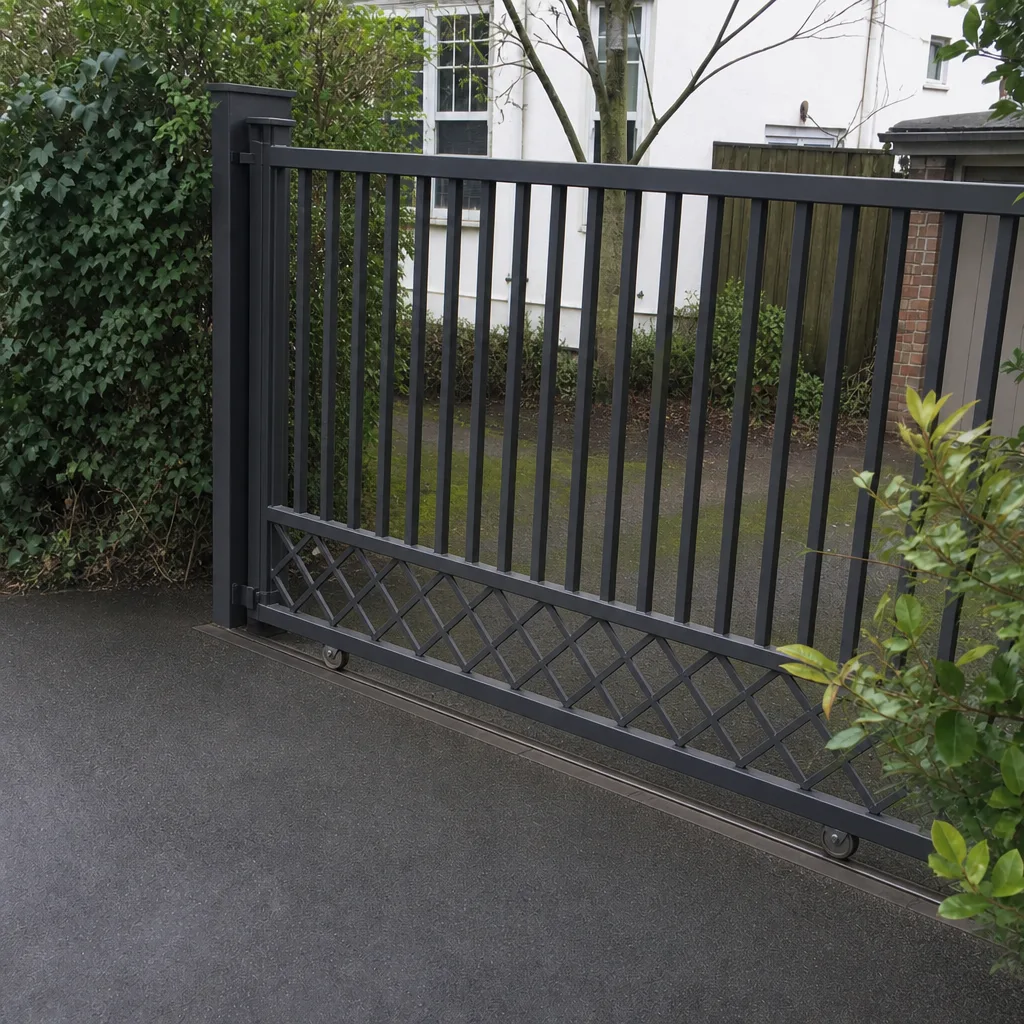
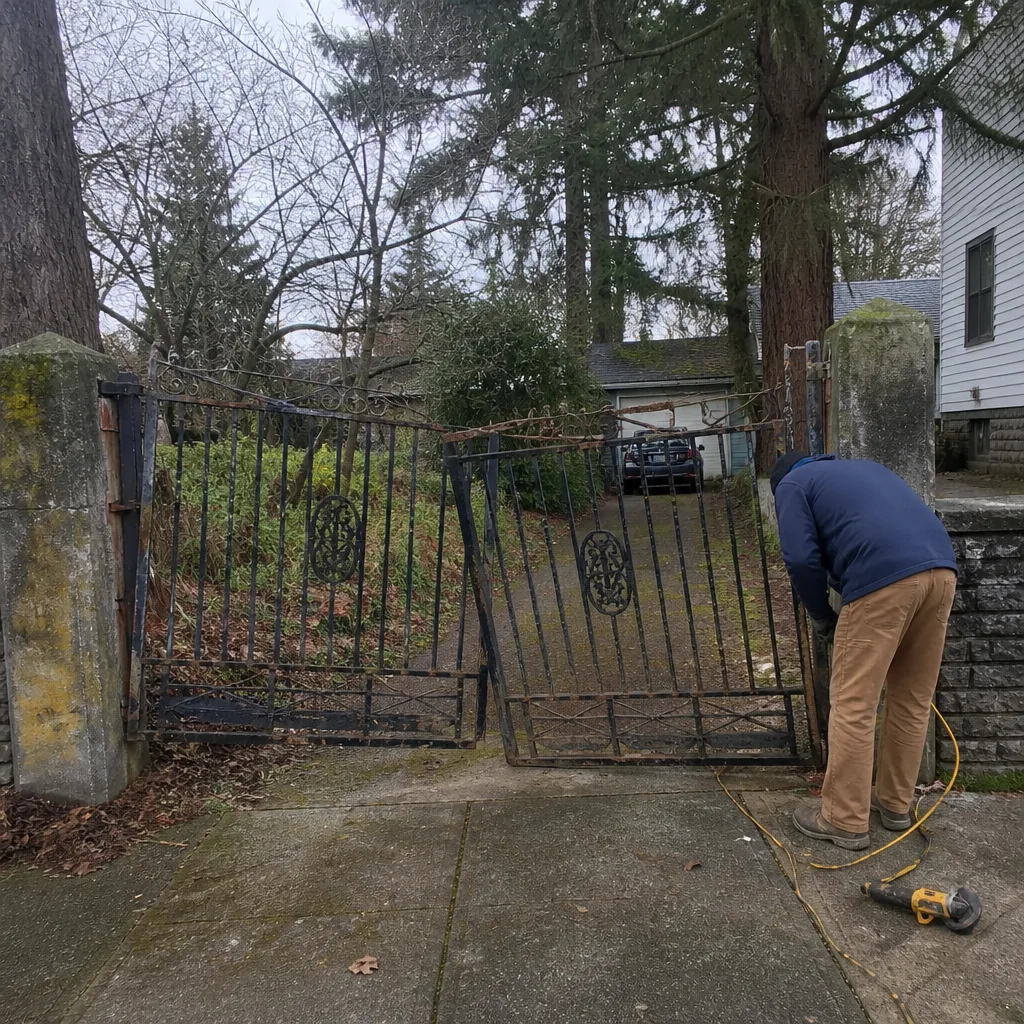 Before
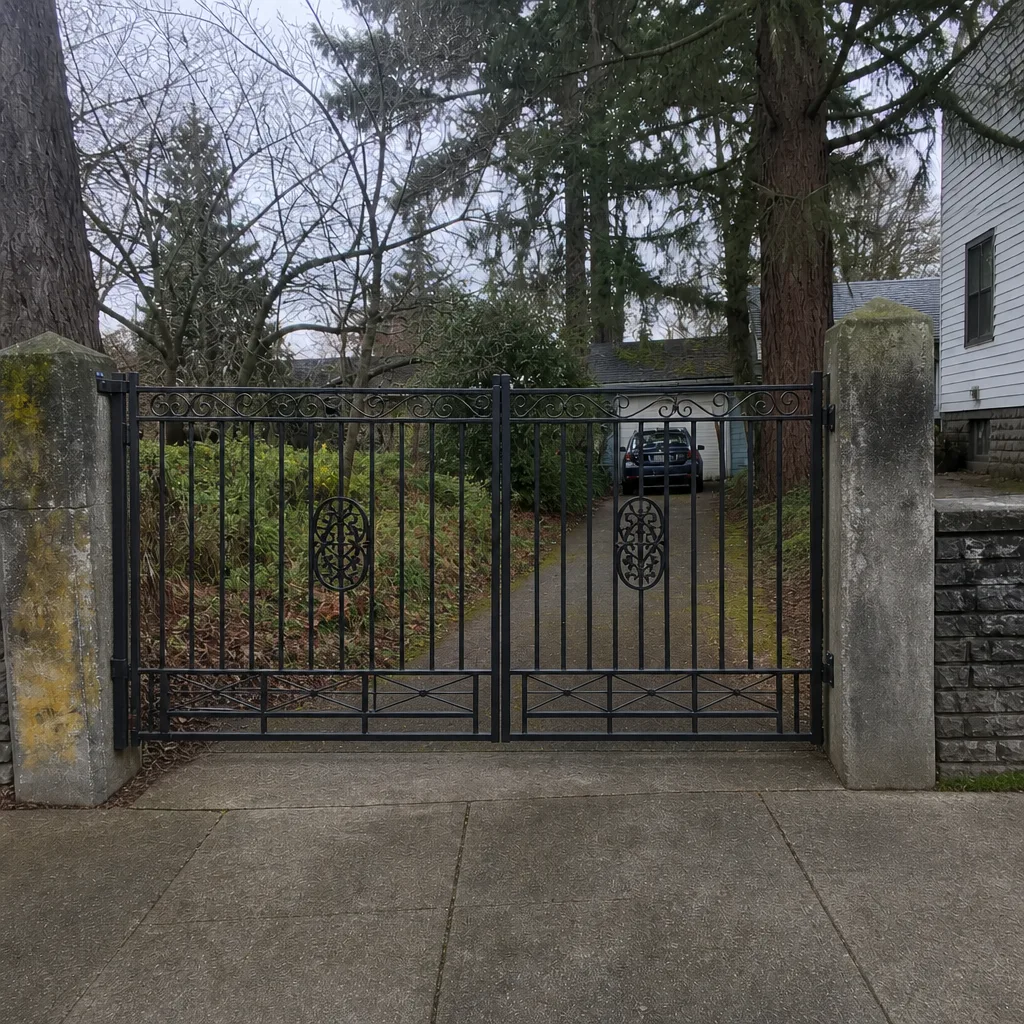 After
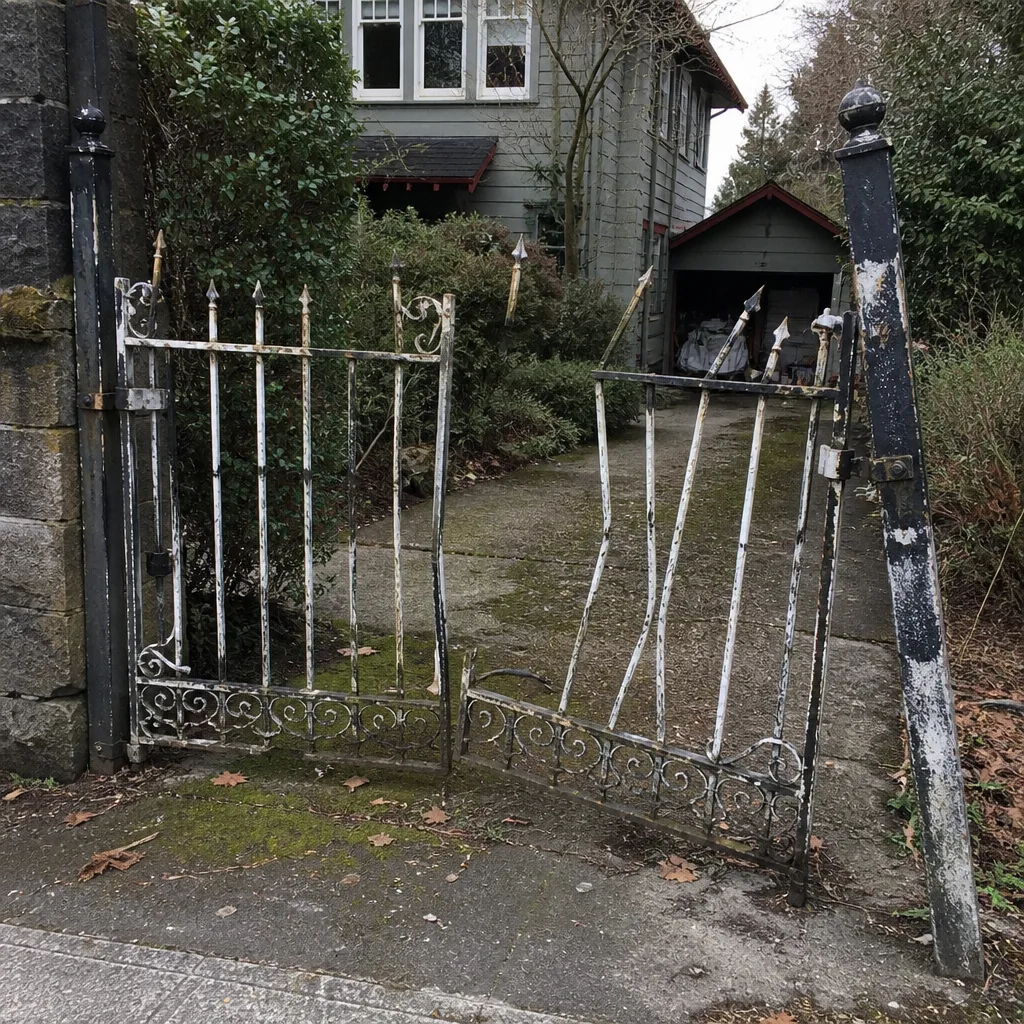
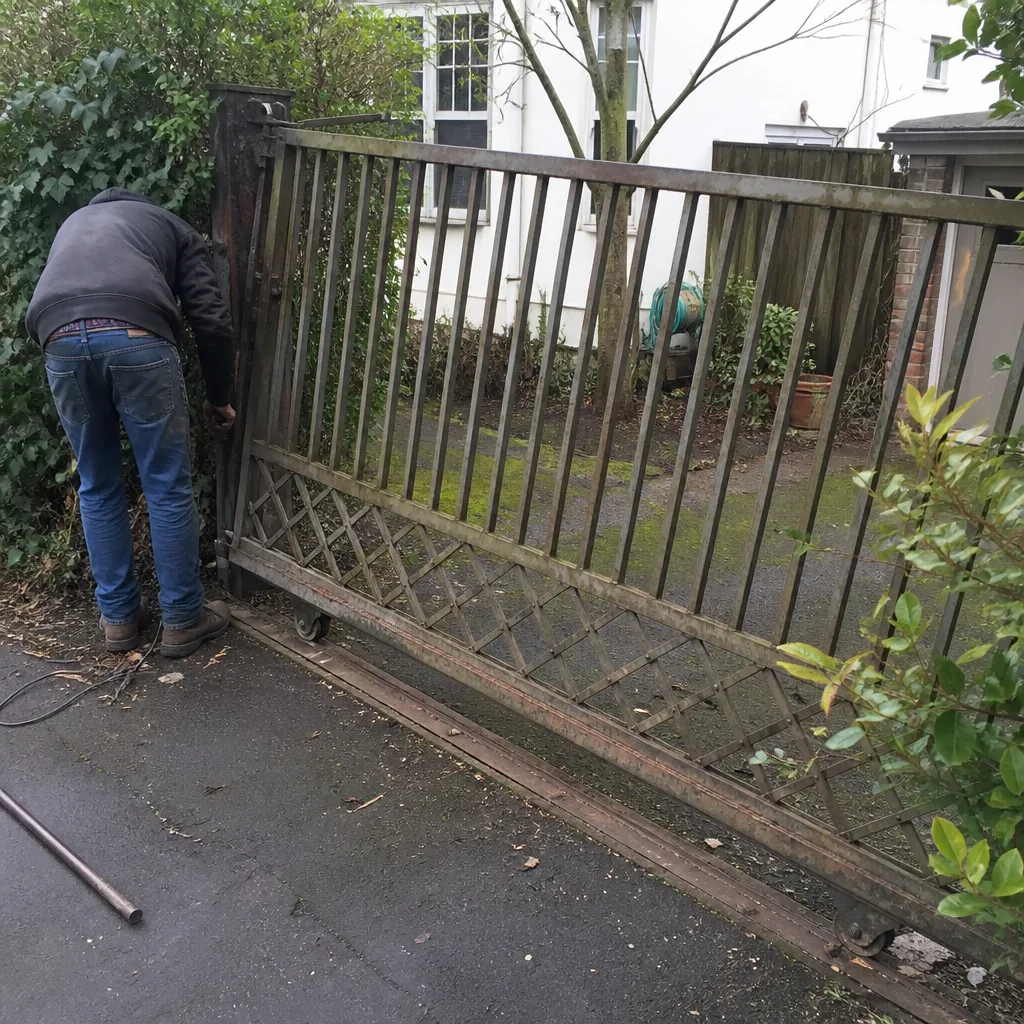 Before
 After
 Before
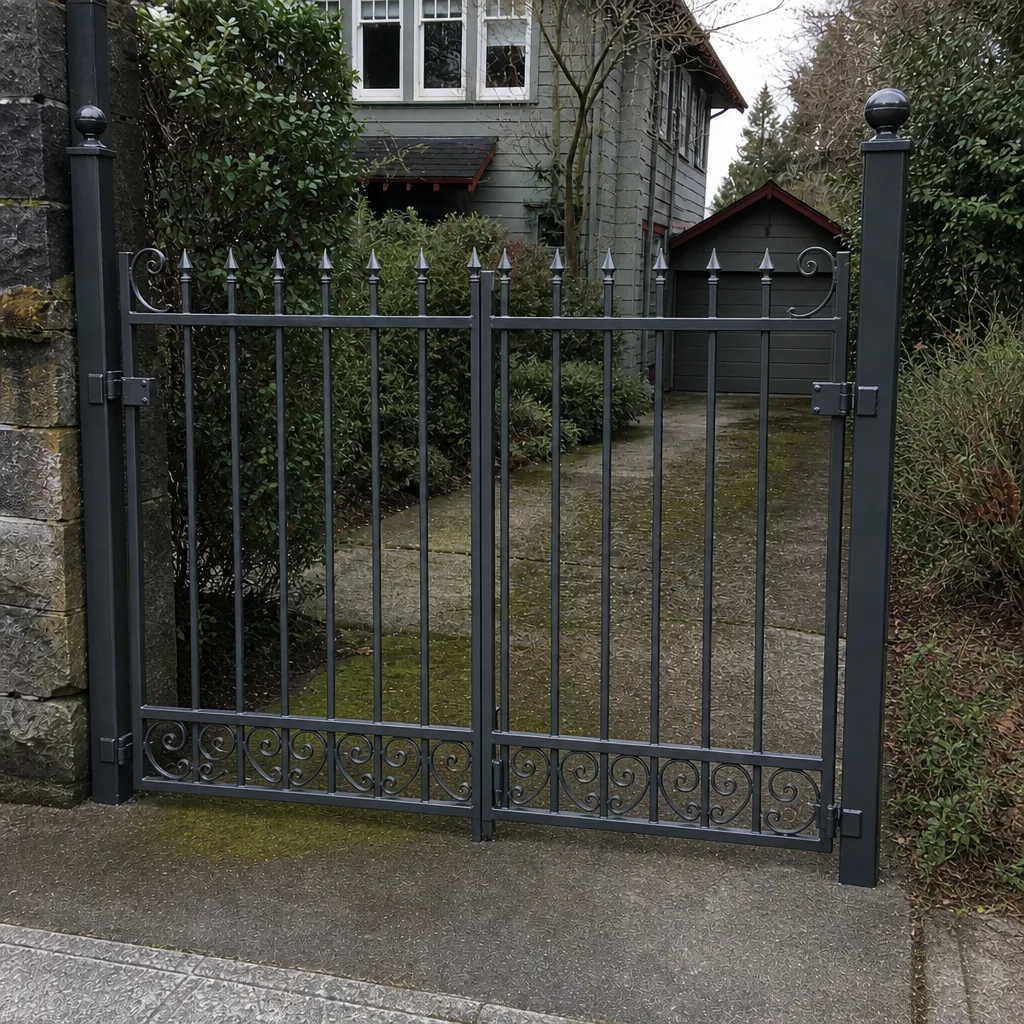 After
When to Call a Professional
Call a professional when the gate reverses unpredictably, stops mid-travel, won’t close all the way, or opens for no one. Call immediately if the operator housing is damaged, wiring is exposed, the gate is moving on its own, or a post or frame looks like it has shifted or cracked, because those are safety issues, not conveniences. Automated and electrical faults involve line voltage and brand-specific control logic, so they belong with a trained technician rather than a weekend attempt. If you’re weighing a repair against a replacement, an on-site assessment settles it with evidence instead of guesswork. Gate Repair Laurelhurst offers free estimates in Laurelhurst. Call (844) 494-1604. We answer 24/7, with fast dispatch from 7am to 7pm, Sunday through Friday.
Frequently Asked Questions
Your gate reverses because a safety sensor or limit switch is telling the operator something is in the way, not because the motor has failed. The likely culprits are a misaligned photo-eye, a shadow or branch crossing the beam, or a limit switch that has drifted. Chasing the motor first is the expensive mistake; a technician checks the sensor and limits before anything else. Call (844) 494-1604 for an exact quote; estimates are free.
Gate repair in Laurelhurst is priced per job after an on-site inspection, because the cost depends on which of the five root causes is behind the failure. A sensor or access control fix is a very different job from a post reset or operator replacement. You get a free estimate and a written price before work begins, and that written estimate sets the final price. Call (844) 494-1604 for an exact quote; estimates are free.
Yes. Same-day service is available for gate problems, with fast dispatch from 7am to 7pm Sunday through Friday and phones answered 24/7. A call outside dispatch hours is booked into the next opening, Sunday through Friday, 7am to 7pm. For automated installations and access control upgrades, the work is measured and scheduled rather than same-day. Call (844) 494-1604 for an exact quote; estimates are free.
Yes. We work on the brand you already have and service systems from nine major manufacturers, including FAAC, BFT, Linear and Viking alongside residential lines like Ghost Controls and Mighty Mule. Brand fluency means we diagnose your specific system and source a matching part instead of pushing a whole new operator. When a replacement is genuinely needed, that’s handled under the same roof. Call (844) 494-1604 for an exact quote; estimates are free.
Gates in Laurelhurst fail more in wet winters because the clay-heavy soil expands and contracts with moisture, shifting posts and stressing hinges and tracks. That seasonal ground movement throws swing gates out of plumb and knocks sliding gates out of track alignment, and the operator then strains against the misalignment. It’s why a structural check should come before any motor repair here. Call (844) 494-1604 for an exact quote; estimates are free.
Yes. Automated gate work includes the operator, the wiring and power run, the control board, and the safety edges and sensors, all matched to your system’s brand. Because this is a scheduling-and-measuring job rather than a same-day repair, the right first step is a free on-site estimate with a written price before anything is ordered. Call (844) 494-1604 for an exact quote; estimates are free.
The Bottom Line
Most gate failures aren’t the mystery they feel like. They fit one of five root causes, and the operator is usually the last thing to blame rather than the first. In Laurelhurst, clay soil and wet winters add structural wear that shows up as hinge stress and post shift, which is why diagnosis should start with structure and only then reach the electronics. Get the root cause right and you avoid the $2,000 replacement that a $200 repair would have prevented. Get the brand right and the fix holds. Get the access layer right and the gate opens for everyone who needs it. If you’d rather have a specialist confirm which category you’re in, that’s exactly what we do: call (844) 494-1604 for a free estimate. We answer 24/7, with fast dispatch from 7am to 7pm, Sunday through Friday.
Whether it’s a driveway slider or a commercial swing gate, our team at Gate Repair Laurelhurst works the full arc from emergency repair to long-term care. Our technicians have up to 8 years of experience, and every one of them works exclusively in gate systems. Reach out to book a free estimate at (844) 494-1604.
Written by the team at Gate Repair Laurelhurst.