
Last updated November 25, 2026
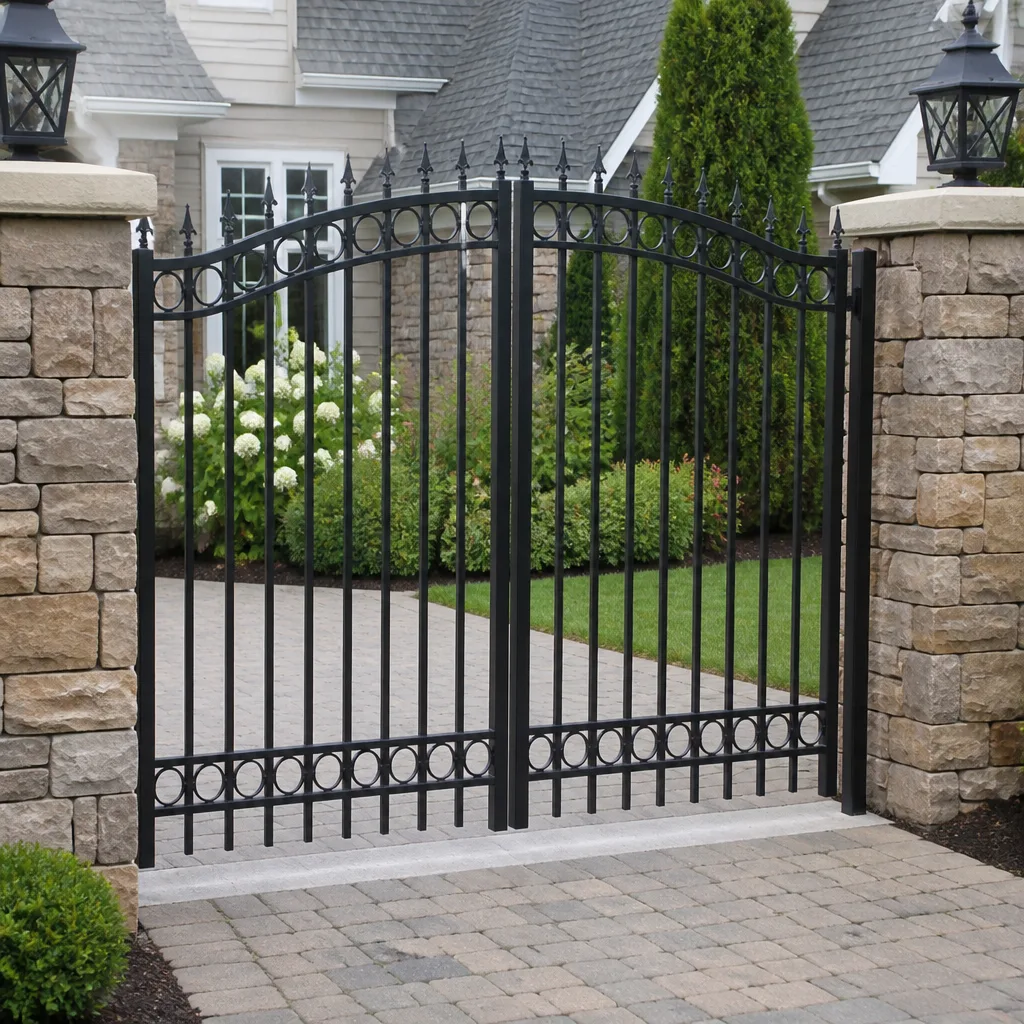 Wrought iron
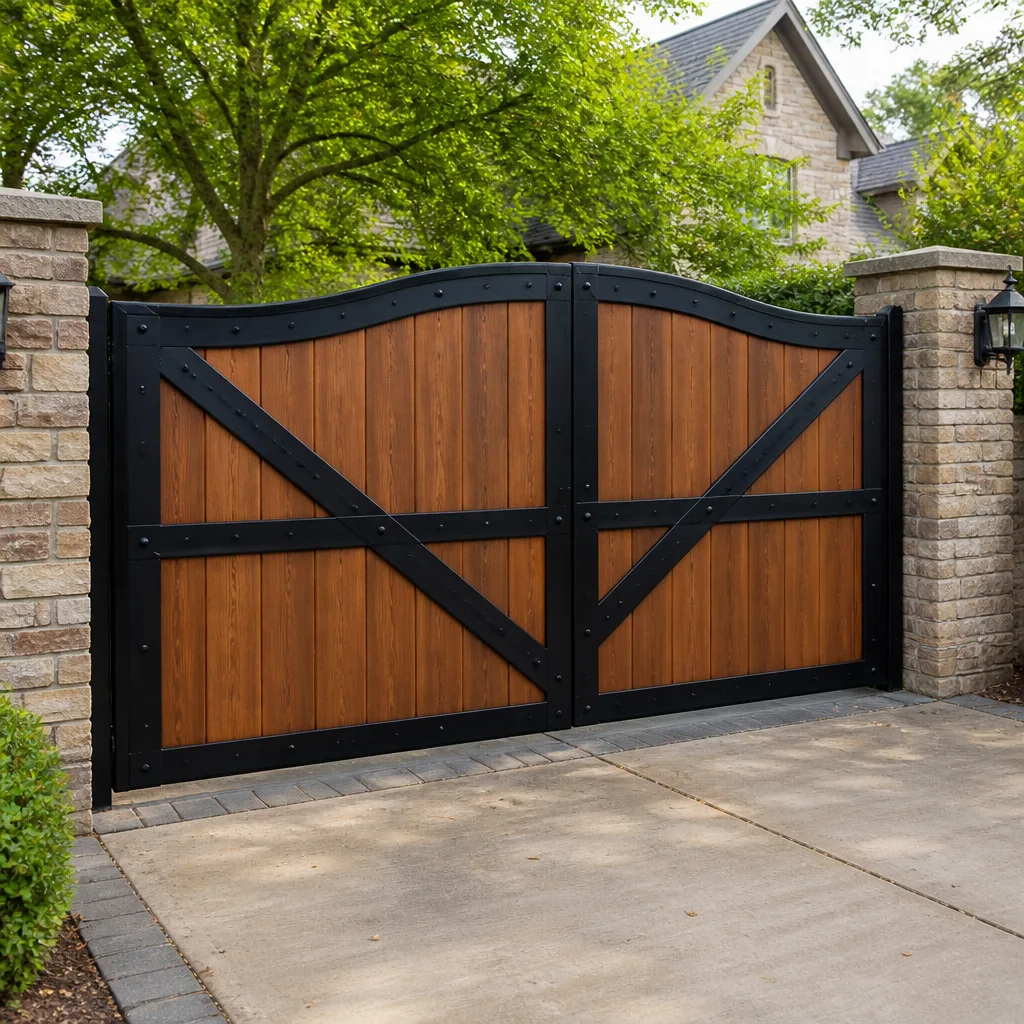 Wood & steel frame
 Farm & ranch
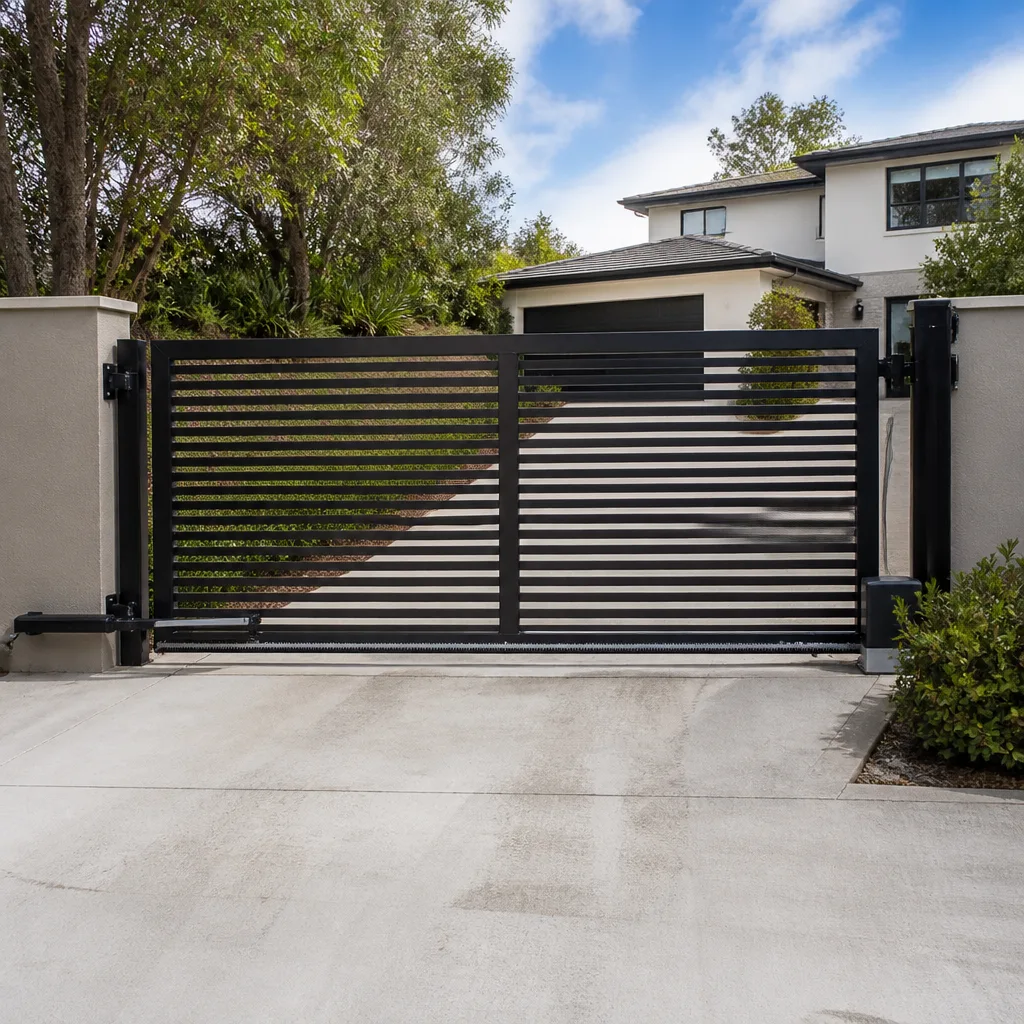 Sliding driveway gates
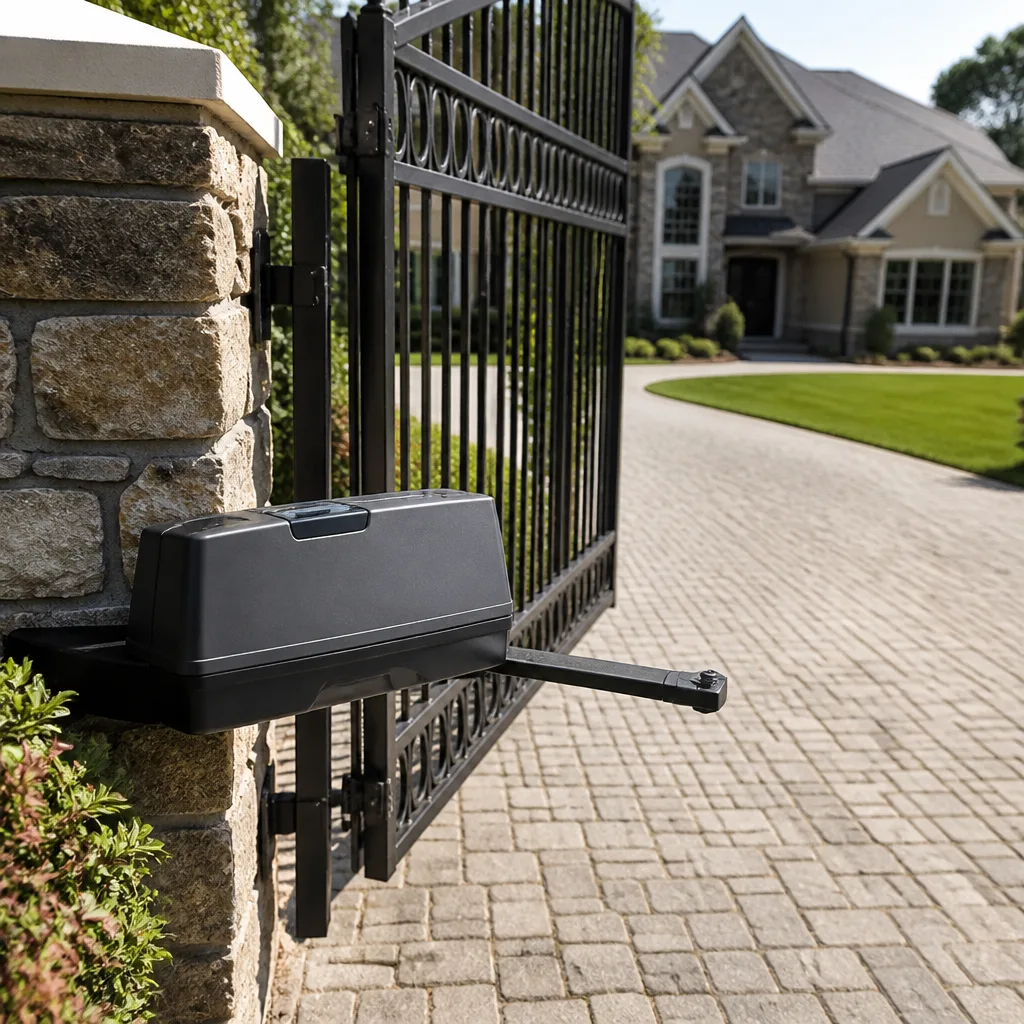 LiftMaster operators
Free on-site gate assessment - hinges, posts, and your LiftMaster or Nice gate operator checked before anything is quoted
The assessment is free and the quote is the invoice.
Get your free estimateGate Repair Warning Signs: A Laurelhurst Homeowner’s Reference Guide
A gate that hesitates for half a second before it moves isn’t warming up. That pause is a motor working against resistance it shouldn’t be fighting, and it’s a repair bill in slow motion. Most gate failures we get called out to in Laurelhurst didn’t start with a bang. They started with a sound the owner heard for three weeks and dismissed, or a scrape mark on the driveway nobody bent down to look at. Gates tell you what’s wrong long before they quit. This guide decodes what each unusual behavior, sound, and visual clue actually means mechanically, so you can catch the cheap fix before it becomes the expensive one.
Quick Answer
Gates give warning in three categories: operator signs (straining motor, grinding, random reversal, clicking control board), structural signs (post lean, sagging panels, ground scrape, gap at close), and electrical or access signs (failed keypad, dead sensor, intermittent remote). Any sign that involves a heavy panel moving uncontrolled, a gate that reverses unpredictably, or exposed operator wiring warrants same-week service. Slow movement, mild noise, and minor alignment drift are safe to monitor briefly, but they rarely fix themselves.
Styles & brands we work with
- Wrought iron
- Wood & steel frame
- Farm & ranch
- Sliding driveway gates
- LiftMaster operators
Table of Contents
- Symptom-to-Cause Reference Table
- Operator Warning Signs vs. Structural Warning Signs
- Which Signs to Monitor and Which Need Same-Week Service
- Three Diagnostics You Can Safely Run Yourself
- Warning Signs Specific to Laurelhurst Conditions
- Warning Signs in Automated and Electric Gate Systems
- Why Brand Fluency Changes the Repair Conversation
- Repair or Replace? Reading the Warning Signs Together
Symptom-to-Cause Reference Table
This is the section to bookmark. Match what you’re seeing or hearing to the most likely mechanical cause. The right column tells you whether the underlying issue is operator-side (motor, control board, sensor) or structural (hinge, post, panel, track). Those two categories get handled very differently, so knowing which one you’re dealing with is the first useful step.
- Grinding sound during travel – worn drive gear, failing bearing, or debris in the track or pivot. Operator or structural, depending on where the sound comes from. If it starts at the motor, it’s the operator. If it starts mid-travel, it’s the track or hinge.
- Rhythmic clicking – a limit switch or encoder that’s drifting out of calibration, or a relay that’s beginning to stick. Operator-side. Clicking usually gives you weeks of warning before the gate stops commuting cleanly.
- Whirring but no movement – the motor is running but the drive isn’t engaging. Common on chain-driven slide operators with a worn sprocket, and on swing operators with a stripped gear. Operator-side, and it’s a hard stop: don’t keep cycling it.
- Slow movement, then normal – early mechanical resistance or a motor losing torque under load. Operator-side, but the cause could be a stiff hinge or a low battery in solar-charged units.
- Partial open or partial close – limit switch calibration drift, obstruction sensor tripping, or a control board fault that’s cutting the cycle short. Operator-side.
- Random reversal mid-travel – obstruction sensor misalignment, a shadow or reflection fooling the beam, or a safety edge with a damaged lead. Operator-side, and a genuine safety concern.
- Gap at close – a hinge that’s worn, a post that’s leaned, or a latch that no longer meets its strike plate. Structural, though the automation may still be trying to close against it.
- Ground scrape at the swing – a hinge that’s dropped, a post that’s settled, or a panel that’s swollen. Structural. On wood gates, moisture is the usual suspect.
- Dead remote or keypad – receiver fault, battery, or a board that’s no longer holding the code. Operator-side, easy to diagnose, sometimes trivially easy to fix.
When you read down that list, notice how many symptoms trace back to the operator and how many to the structure. That distinction is the next section.
Operator Warning Signs vs. Structural Warning Signs
We split every gate diagnostic into two questions. Is the operator doing its job? Is the structure doing its job? When both answers are yes and the gate still misbehaves, the problem is usually in the interface between them – the hinges, the track, the safety devices, the alignment. But if you can’t tell which category a symptom belongs to, you can’t call the right help.
Operator signals
Operator problems live at the motor, the control box, or the safety circuit. They show up as movement issues (slow, partial, reversed), command issues (remote, keypad, loop detector), or sound issues localized to the motor housing. Most modern systems – LiftMaster swing and slide operators, FAAC and BFT commercial units, Mighty Mule diagonal-arm residential openers – will run self-diagnostic and diagnostic LED patterns that a technician can read. Those codes are gold. If your operator has diagnostic indicators, note which lights flash when the failure happens. That single detail can cut diagnostic time in half on the gate motor & opener side.
Structural signals
Structural problems live in the posts, panels, hinges, tracks, and the concrete the posts sit in. They show up as physical symptoms: leans, sags, scrapes, gaps, rattles. On automated gates these structural problems get masked by the operator. The motor will push a sagging gate open for months before it gives up, and then the fault looks electrical when it’s really mechanical. If you replace the motor without fixing the sag, the new motor fails faster than the old one did. That’s why our gate repair approach always starts with a structural check, even when the customer called about a dead opener.
What to notice first
- Watch the gate from a safe distance across a full open and close cycle.
- Note when the symptom starts: at rest, at start, mid-travel, or at the endpoint.
- Note the sound: whether it originates at the motor or travels along the panel.
- Check the ground: new scrape marks, loose hardware on the ground, or fastener heads that sit lower than last month.
Four observations, two minutes, and you’ve already narrowed the diagnosis to operator or structure.
Which Signs to Monitor and Which Need Same-Week Service
Not every warning sign is an emergency. Some are a note-to-self. The problem is that homeowners tend to do the opposite of what’s rational: they panic about a dead remote and ignore a gate that’s leaning. Here’s how we’d sort them if the gate were on our own driveway.
Safe to monitor briefly
- Rhythmic clicking that doesn’t affect travel.
- Slow start on first cycle of the day that resolves after one open.
- Cosmetic noise from a wood panel settling in dry weather.
- Single remote or keypad that’s gone dead while others still work.
Monitor, but set a real deadline. Two weeks is generous. If the click becomes a grind, or the slow start becomes slow travel, act. Symptoms that linger almost never resolve on their own, and the fix price is lower before a symptom compounds.
Same-week service
- Any gate that reverses unpredictably mid-travel or fails to sense an obstacle.
- A gate that stops partway and requires manual assistance to close.
- Exposed wiring at the operator, the safety edge, or the access panel.
- Post lean of a degree or more on a swing gate.
- A slide gate coming off its track or a roller that’s lifting from the rail.
- Manual release that won’t engage, or engages but doesn’t lock out the operator.
These aren’t “wait and see” symptoms. A gate that reverses mid-travel has a failed safety check. A gate that leans has a foundation problem that gets more expensive the longer gravity works on it. For an automated driveway gate, safety devices aren’t optional equipment; they’re the reason the gate can be automated at all. If they’ve stopped working, the gate needs attention.
Three Diagnostics You Can Safely Run Yourself
You can learn a lot about a misbehaving gate without tools. What you should not do is open the operator housing, work near the motor wiring, or touch the safety edge leads. Those carry low-voltage power and, more importantly, the safety circuits are designed to fail in a specific way – you don’t want to introduce a new failure mode while trying to diagnose an old one. Here are three diagnostics that stay safely on the outside of the enclosure.
1. The balance test (swing gates)
- Put the gate in manual release mode using the manufacturer’s procedure for your operator.
- Push the gate gently through its full arc by hand and let go at the halfway point.
- Watch what it does. A properly balanced swing gate stays where you leave it, or drifts very slowly. A gate that accelerates under its own weight is out of balance.
- Release it back toward closed. If it slams or swings hard past vertical, note it – that’s the load your motor has been fighting.
Out-of-balance gates burn through operators. That single test explains a lot of “the motor keeps dying” complaints. Re-engage the operator before you use the gate again.
2. The alignment check (slide gates)
- Look along the track and rail from the closed end.
- Note any visible bend, kink, or debris in the track.
- Run the gate slowly by hand and feel the track under the leading roller. Roughness or hesitation is your answer.
- Check whether the gate sits flush against the rail with no lift at the leading edge.
A slide gate that runs true by hand almost always needs an operator-side fix. One that binds by hand is a structural issue and the operator has been compensating for it.
3. The obstruction sensor sweep
- With the gate in automatic mode and stopped, break the beam at the sensor with a piece of cardboard or your hand.
- The gate should not close while the beam is broken, and the operator should register a fault.
- Repeat at multiple points along the closing path to test the full beam.
- If the photo eye has a status LED, confirm it changes state when the beam is broken.
If the sensor doesn’t respond, that’s a safety failure and a legitimate reason to call a specialist. Don’t run the gate automatically until it’s fixed. A safety device that doesn’t work is worse than no device at all, because you’ll rely on it. All three of these checks are read-only. Anything past them belongs with the gate installation or repair team.
Warning Signs Specific to Laurelhurst Conditions
Laurelhurst sits in the wet half of the Pacific Northwest, which shapes what gate failures look like here. The specific conditions you’ll see on gates in this neighborhood skew toward moisture-related problems and the slow structural movement that follows soil saturation. When we do a diagnostic in Laurelhurst, we’re looking for these on every visit.
Post lean from soil saturation
Laurelhurst soil holds water well into the wet season. Posts set in that soil can shift and rotate in ways that look like a slow-motion hinge failure but are actually the post moving underneath. A post that’s off by a degree at the base becomes a gate that doesn’t close cleanly by midwinter. Check for it by sighting down the post from the closed end. If the gap between gate and post has changed seasonally, or the gate closes cleanly in August and scrapes in January, that’s a post issue, not an operator issue. Post work on a swing gate is a structural repair, not an automation repair – and it has to be done properly with correct footing depth, not just re-shimmed for another season.
Wood gate sagging from moisture weight
Wood gates in Laurelhurst absorb moisture through the wet months and shed it in summer. That cycling changes the weight, dimension, and balance of the panel. A gate that was perfectly balanced in July can be noticeably heavier by November. If your operator is working hard when the weather turns, that’s not a coincidence; it’s the panel taking on water. Check the hinge-side gap and the top rail. Sag starts there. Stained or sealed wood slows this down but doesn’t eliminate it.
Corrosion-related contact failures
Outdoor gate hardware in Laurelhurst gets wet and stays wet more than six months of the year. Exposed contacts at limit switches, safety edges, and keypad wiring are the first things to fail. Symptoms usually look intermittent: gate opens some days, doesn’t others, or a remote that works from the kitchen window but not from the driveway. Intermittent behavior on a system more than a few years old in Laurelhurst is almost always a contact or connection issue, not a board-level failure. Intermittent is the operative word; if you’re seeing a symptom only in wet weather, note the timing. That single detail steers the diagnosis.
Fall organic debris
Laurelhurst’s mature trees send leaves, needles, and twigs into tracks and pivot areas through the fall. Slide gate tracks fill and bind quietly. Sweep the track and clear the pivot zone at the start of the wet season; it’s the least expensive preventive step on this entire list.
Warning Signs in Automated and Electric Gate Systems
Automated and electric gates have their own vocabulary of failure, and if you’re relying on a keyed or powered gate for daily access, you already know these symptoms are more disruptive than a manual gate’s. The warning signs are different, too, because the operator masks most of what would have been obvious on a manual gate in the first place.
- Remote range dropping – receiver antenna degradation, board fault, or interference from a new device nearby. Often a small fix. If the gate still works on the keypad but not the remote, that narrows it quickly.
- Keypad accepting codes but not opening – control board or relay issue. Same family of fault as a dead remote but a different repair path.
- Random mid-cycle reversal – obstruction sensor, safety edge, or limit switch. This is the safety failure category. Same-week service.
- Gate stops partway and stalls – motor losing torque, worn drive gear, or a limit switch that’s drifted. On solar-charged operators (Mighty Mule and Ghost Controls both make units common on Laurelhurst driveways), check the battery state as part of the diagnostic – low battery mimics a serious motor fault.
- Clicking that accompanies travel – worn gear, encoder fault, or a limit switch fighting a mechanical obstruction. Don’t let a click become a grind.
- Manual release won’t engage – release mechanism needing service or a gear drive that’s become stuck. This one matters for anyone who relies on the gate for access.
On the access control side, we look at this as a separate layer of the same system. A gate access panel or keypad that intermittently rejects codes, a call box that’s dropped its programming, or a loop detector that no longer triggers cleanly are all warning signs. None of them are physically dangerous, but they usually point to a control board or wiring issue that will eventually affect the gate movement itself. For a property manager or small business owner with a secured entry, that’s a maintenance problem worth scheduling before it becomes an after-hours problem. Our electric gate repair work covers both the operator and the access layer so the diagnosis connects them, not treats them as separate systems.
Why Brand Fluency Changes the Repair Conversation
A gate warning sign is only useful if the person reading it can act. That’s where brand matters. The diagnostic path on a LiftMaster swing operator is different from the path on an FAAC 400 or a BFT slide operator. Limit switch location, encoder behavior, port codes, remote pairing procedure, and which parts are on the shelf in this region all vary by brand.
We work with nine gate system brands – LiftMaster, FAAC, BFT, Linear, Viking, Ghost Controls, DoorKing, Elite, and Mighty Mule. That range matters for two reasons. First, we can diagnose the system you have without sending you elsewhere. Second, we can source parts for entry-level residential operators (Mighty Mule and Ghost Controls are common on Laurelhurst driveways) as readily as we can for commercial-grade systems (FAAC, BFT, DoorKing), because those calls come up on both residential driveways and secured commercial access points. When we walk out to a gate, we’re not wondering whether we can work on it. We’re looking at what it’s telling us.
That’s the practical side of specializing in gates. Our technicians have up to 8 years of experience in gate systems specifically, not in a wider trades menu. So every warning sign on this list has a counterpart in one of those brands, and every diagnosis lands on a specific part rather than a guess. Every technician dispatched works exclusively on gates.
Repair or Replace? Reading the Warning Signs Together
One warning sign is a symptom. Three warning signs together are a pattern, and a pattern is what tells you whether the gate is a repair candidate or an end-of-life system. Here’s the framework we use when we’re standing on the driveway making that call.
Lean toward repair
- The warning sign traces to one identifiable cause with one clear fix.
- The operator is a brand we can source parts for, and the failure is in the operator not the structure.
- The gate structure is sound (posts straight, panels solid, hinges firm).
- The symptom set is short and recent.
Lean toward replacement
- Structural failure and operator failure at the same time (happens on gates that sat through years of unaddressed warning signs).
- An aging operator with parts availability that’s doubtful and a structural repair on top of it.
- A gate that’s been re-shimmed or re-shimmed again as a substitute for a footing repair.
- Safety devices that can’t be brought back to working condition because the control board no longer supports them.
Replacement doesn’t have to mean replacing the whole gate. An operator replacement is often the right move when the structure is good and the motor’s at end of life, and we’d tell you so. The pattern determines the plan. What we avoid is replacing the operator on a gate that’s structurally failing, because that’s a repair that doesn’t hold.
Common Mistakes to Avoid
- Replacing the operator because the gate is stiff. The operator is usually the last thing to fail in that chain. A stiff hinge or a swollen panel is the actual problem, and a new operator will inherit it.
- Re-shimming a leaning post. Shims fix the symptom for a season. Laurelhurst’s wet soil will undo it. A footing repair done at proper depth is the fix.
- Disabling the safety edge or photo eye to “make it close.” That converts an inconvenient gate into a dangerous one. It also eventually burns out the operator, because the safety check is what stops the gate from grinding against an obstruction for a full cycle.
- Running the gate on battery power through a winter to avoid a diagnostic. Low battery on a solar operator mimics a motor failure, and running the gate on a degraded battery wears the motor faster.
- Ignoring an intermittent remote or keypad fault. Intermittent behavior almost always means a contact or connection problem, and contact problems get worse when a Laurelhurst winter keeps them wet.
- Testing the obstruction sensor with your body. It works, but if the sensor has failed in an intermittent way you won’t find out until it doesn’t. Use a solid object, not your hand, not your foot.
- Calling a general handyman for an automated gate. Electrical, mechanical, and structural work all happening in one system is exactly what a gate specialist is for. Brand fluency matters more on this than on almost any other residential service.
See the difference
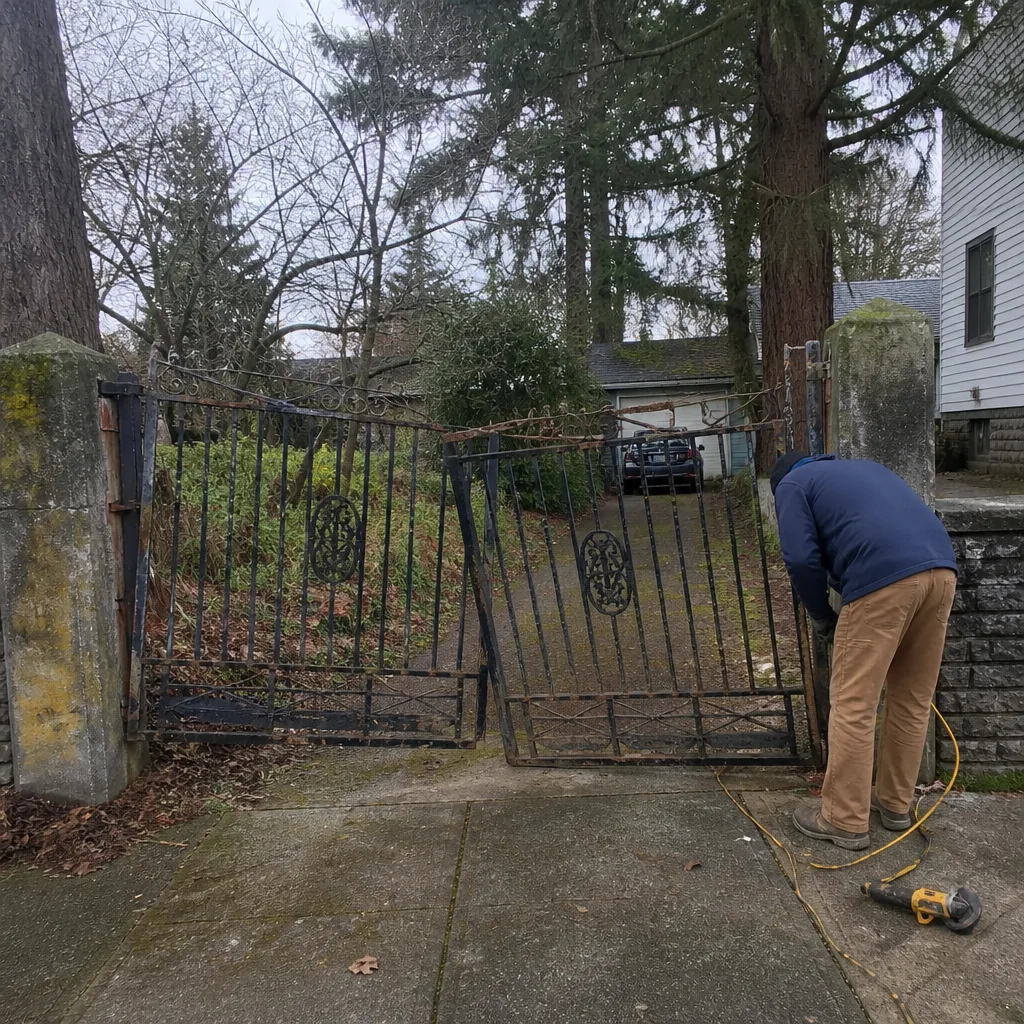 Before
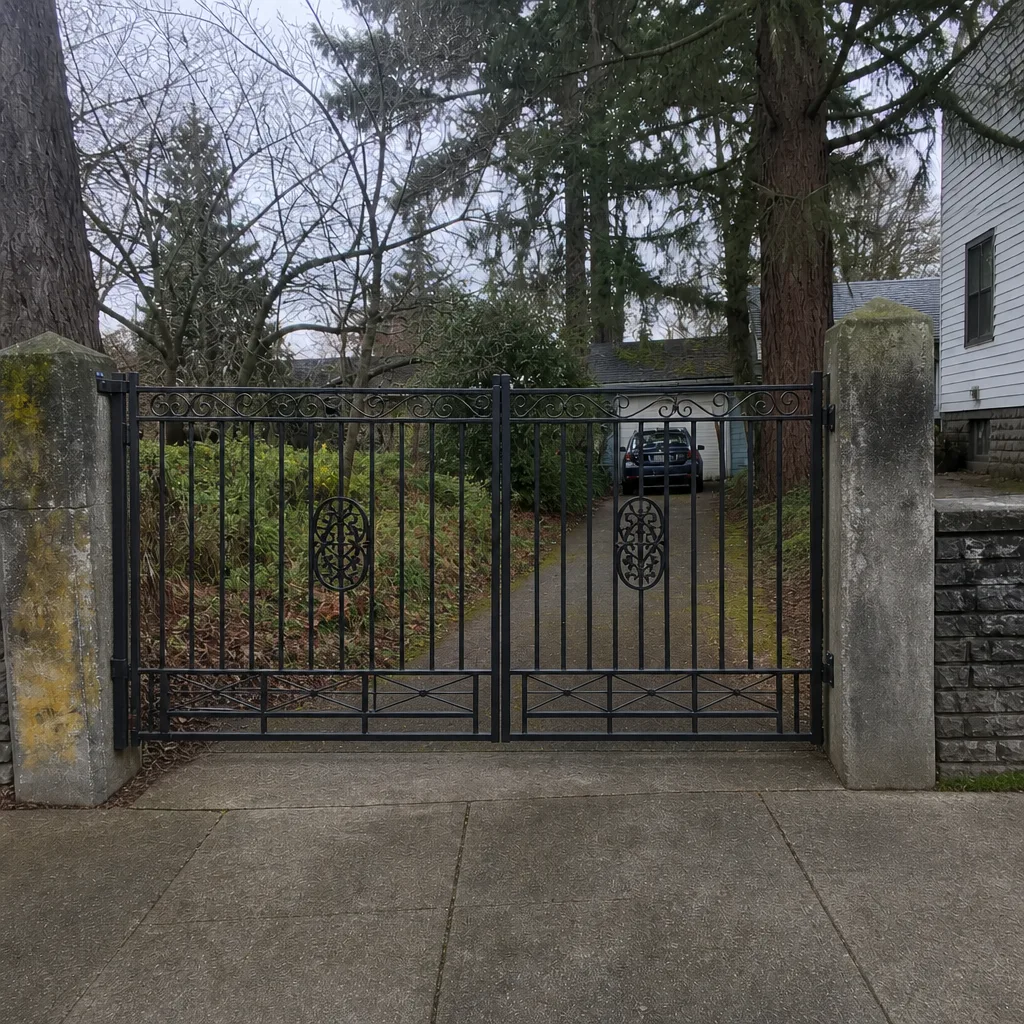 After
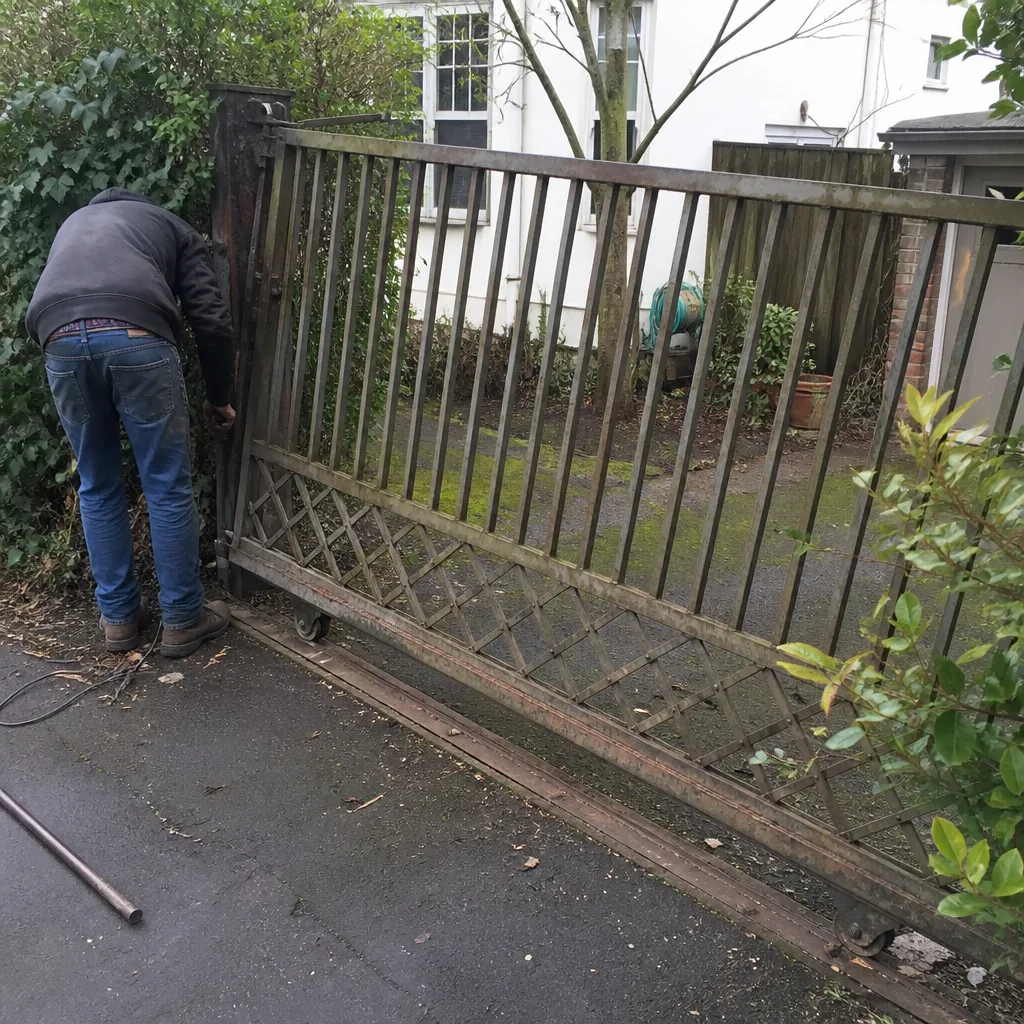 Before
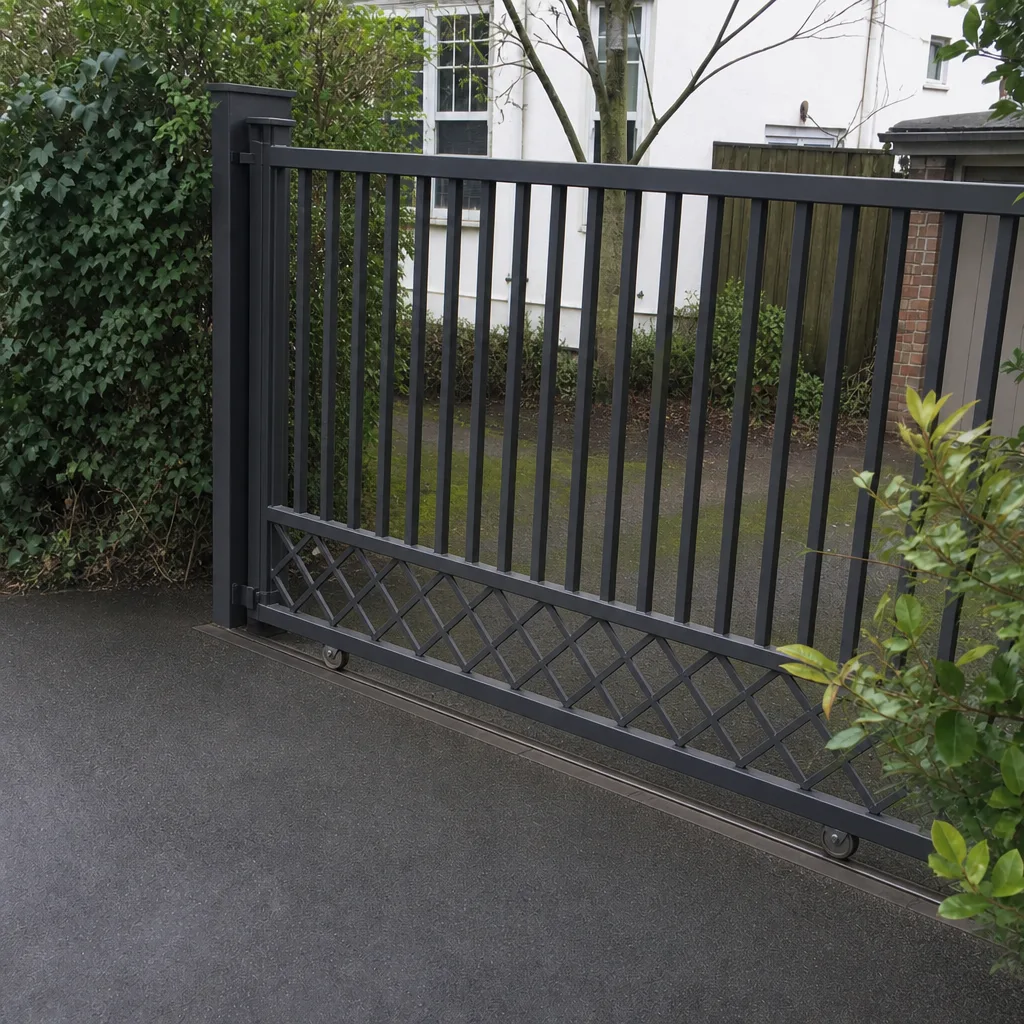 After
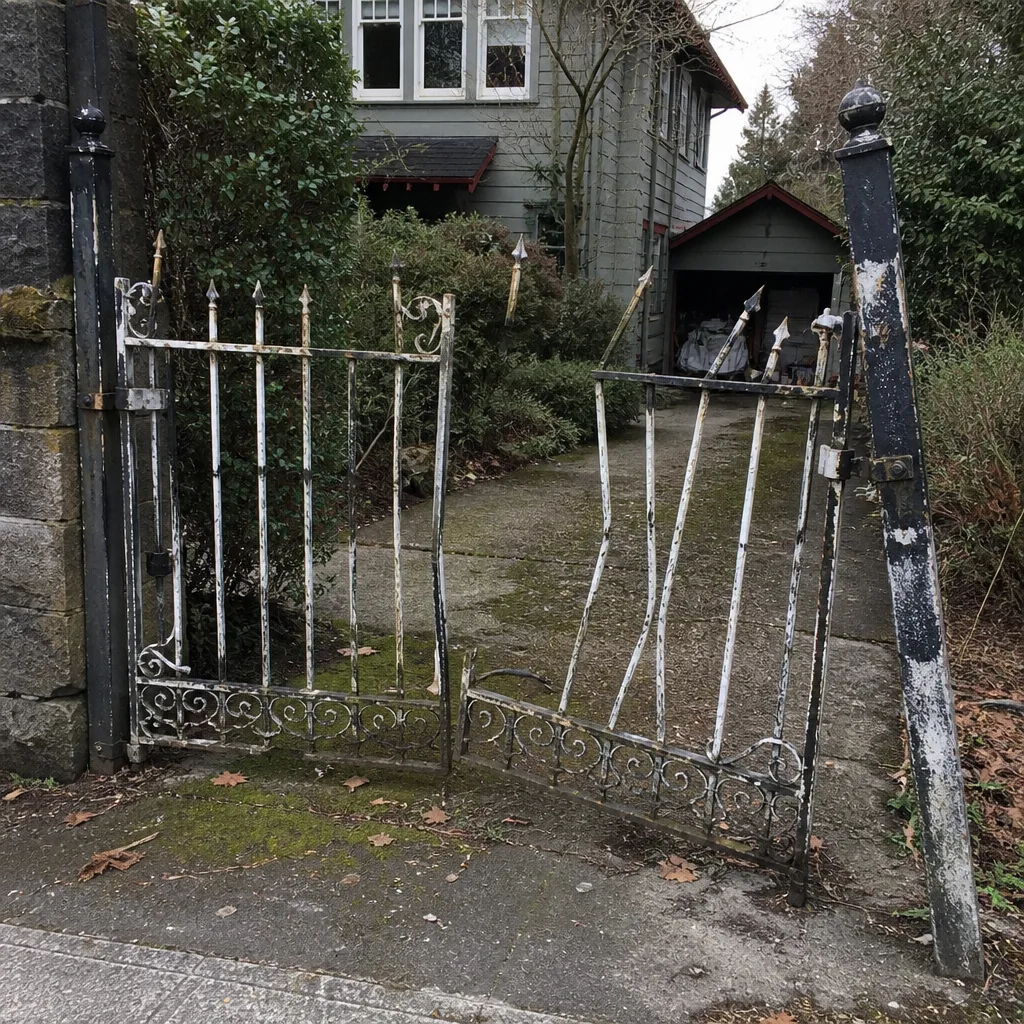 Before
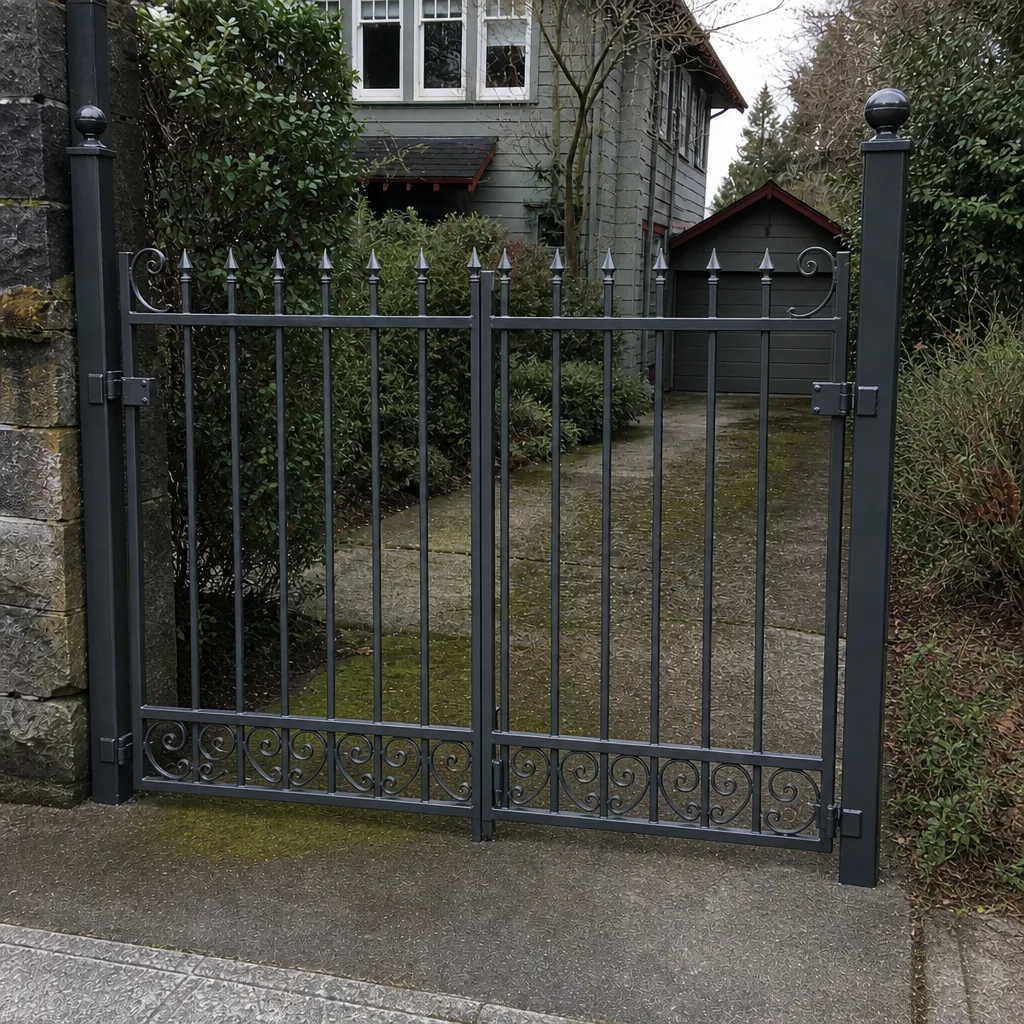 After
When to Call a Professional
Call a professional the moment any of these is true: your gate reverses unpredictably, stops partway mid-travel, has exposed wiring at the operator, leans at the post, lifts off the rail on a slide gate, or won’t respond to its manual release. Those are the same-week service items, and for good reason. Call sooner if the gate is the primary access point for a household, a property manager’s tenants, or a small business. If your gate is showing two or more warning signs from the table above, call even if none of them are on the urgent list. Patterns matter.
We answer 24/7. Fast dispatch from 7am to 7pm, Sunday through Friday. Whether it’s a driveway slider or a commercial swing gate, the diagnostic comes first and the estimate comes with it. Gate Repair Laurelhurst offers free estimates in Laurelhurst. Call (844) 494-1604.
Frequently Asked Questions
Intermittent operation – a gate that opens fine some days and hesitates or fails on others, usually during or right after wet weather. In Laurelhurst’s wet months, moisture gets into exposed contacts at limit switches, safety edges, and keypads, and the resulting faults look electrical one minute and mechanical the next. The fix is usually a contact or connection repair once the intermittent source is found. Call (844) 494-1604 for a free estimate; getting to the bottom of an intermittent fault is worth doing before it becomes a hard failure.
No. The obstruction sensor is the primary safety device on an automated gate; if it fails or is failing, the gate can close on a person, a pet, or a vehicle. Every automated gate we see in Laurelhurst is expected to have working safety devices, and any gate operating without them should be fixed before it’s used in automatic mode again. That’s a same-week service item and worth prioritizing over any other repair on this list. Call (844) 494-1604 for a free estimate.
Run the balance test on a swing gate or the alignment check on a slide gate. If the gate moves cleanly by hand through its full arc and stays where you leave it, the structure is fine and the fault is operator-side. If it accelerates away by itself, binds mid-travel, or scrapes the ground, the structural problem is the priority – the operator will keep failing until it’s fixed. Estimating the split is what the free estimate is for; call (844) 494-1604 and we’ll walk through it.
It can be. Cold-weather slow start is often the first sign of a motor losing torque under load, or a hinge stiffening as the temperature drops. What separates a real warning from ordinary behavior is whether it resolves within the first cycle or persists across a cycle. Persisting slow start is worth diagnosing. In Laurelhurst, where the wet season is long, slow start in cold weather often pairs with moisture issues at the hinge or track. Call (844) 494-1604 for a free estimate before the slow start turns into a stop.
Almost certainly yes. We work on nine gate system brands: LiftMaster, FAAC, BFT, Linear, Viking, Ghost Controls, DoorKing, Elite, and Mighty Mule. That range covers most residential driveway operators installed in Laurelhurst as well as commercial-grade systems used at secured access points. The brand on your gate doesn’t have to be a problem; we work on the brand you already have. Call (844) 494-1604 for a free estimate.
More often than homeowners expect. Post lean in Laurelhurst almost always traces to soil movement under the post, not to the gate hardware above it. A post that’s off by a degree becomes a gate that doesn’t close cleanly when moisture movements compound the offset. If you see the gap between gate and post change seasonally – tight in summer, scraping in winter – the post is the issue. That’s a footing job, not a hardware adjustment. Call (844) 494-1604 to have it looked at.
The Bottom Line
Gates warn you early. The half-second hesitation, the click that wasn’t there last month, the seasonal scrape, the lean nobody noticed until the latch stopped engaging – each one is a symptom of a specific mechanical cause, and the cheapest repair is the one done before the symptom compounds. Our recommendation for Laurelhurst homeowners is simple: bookmark the symptom table, run the three read-only diagnostics after any change in gate behavior, sweep the track before the wet season, and call a specialist the moment the warning signs point at safety devices, post lean, or a gate that reverses mid-travel. Brand fluency matters – LiftMaster, FAAC, BFT, Mighty Mule, and five more are all in our diagnostic vocabulary, and every technician we send works exclusively on gates. Whether it’s a driveway slider or a commercial swing gate, the pattern in the warning signs is what tells you whether it’s a repair or a replacement. And that pattern is much easier to read before the gate quits.
Call (844) 494-1604 for a free estimate. We answer 24/7. Fast dispatch from 7am to 7pm, Sunday through Friday. Gate Repair Laurelhurst – gate repair, gate installation, gate motor and opener service, and gate access control, done by a gate specialist.
Written by the team at Gate Repair Laurelhurst.