
Last updated November 25, 2026
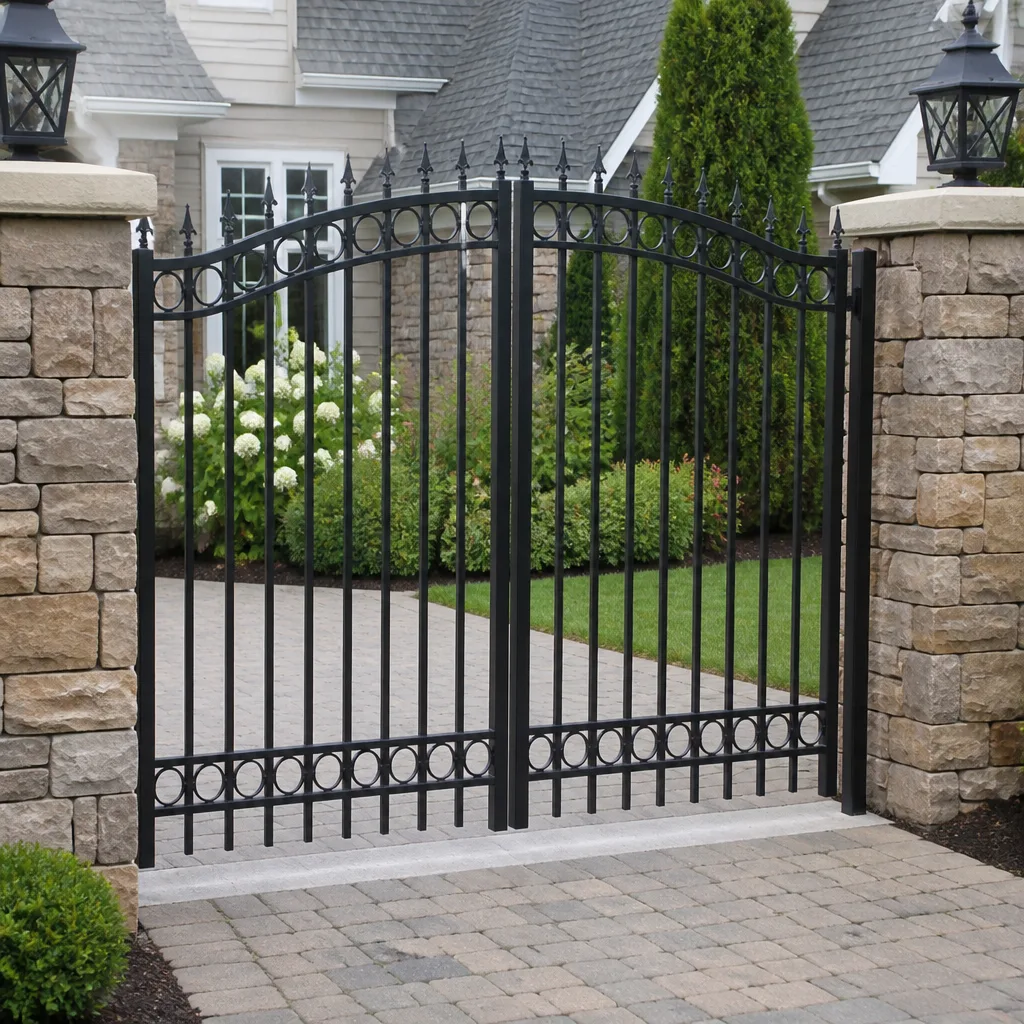 Wrought iron
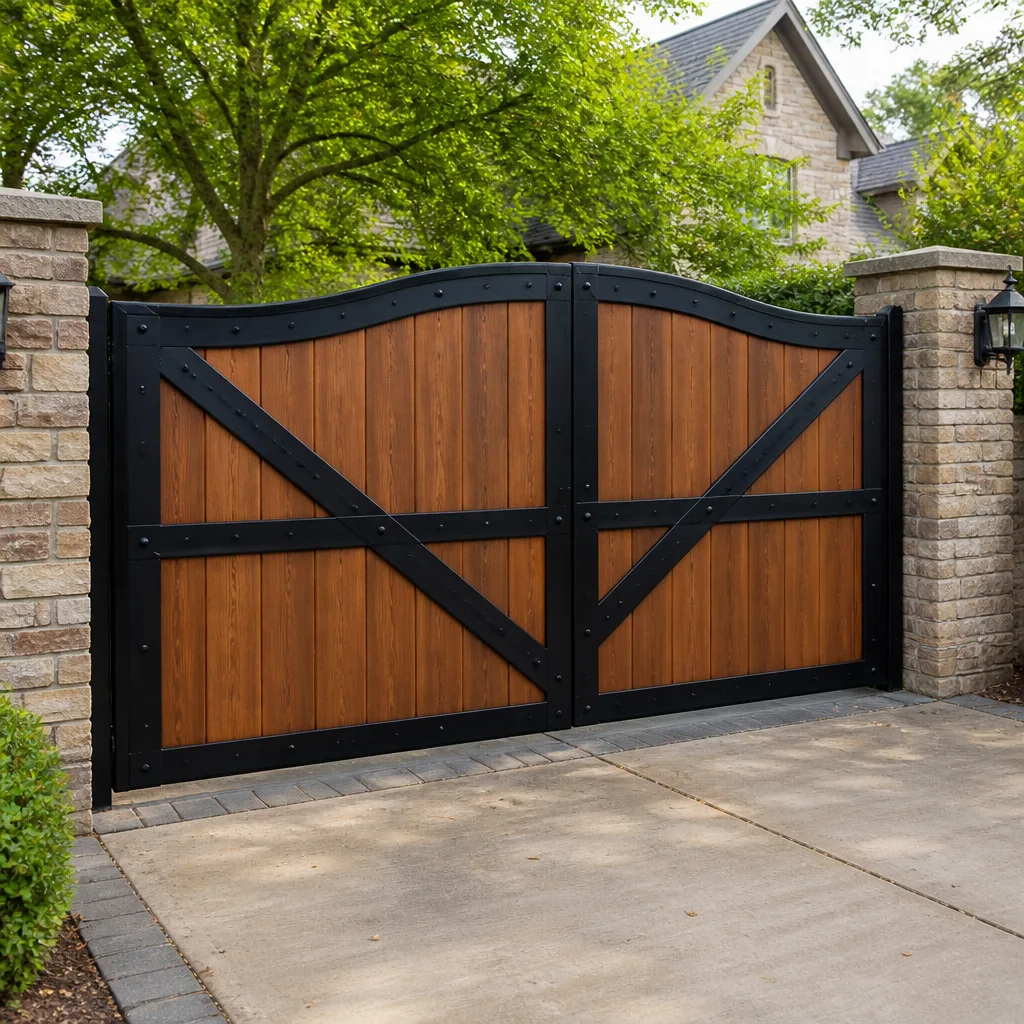 Wood & steel frame
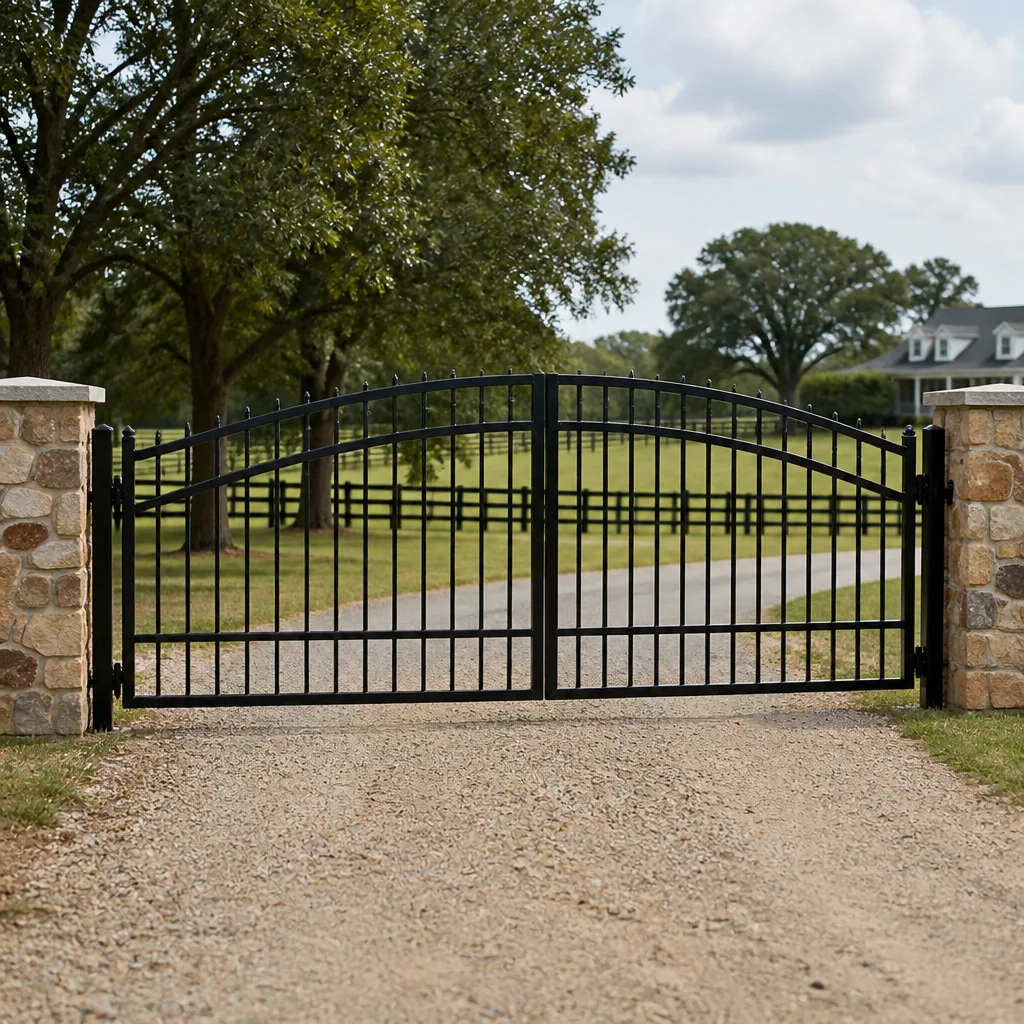 Farm & ranch
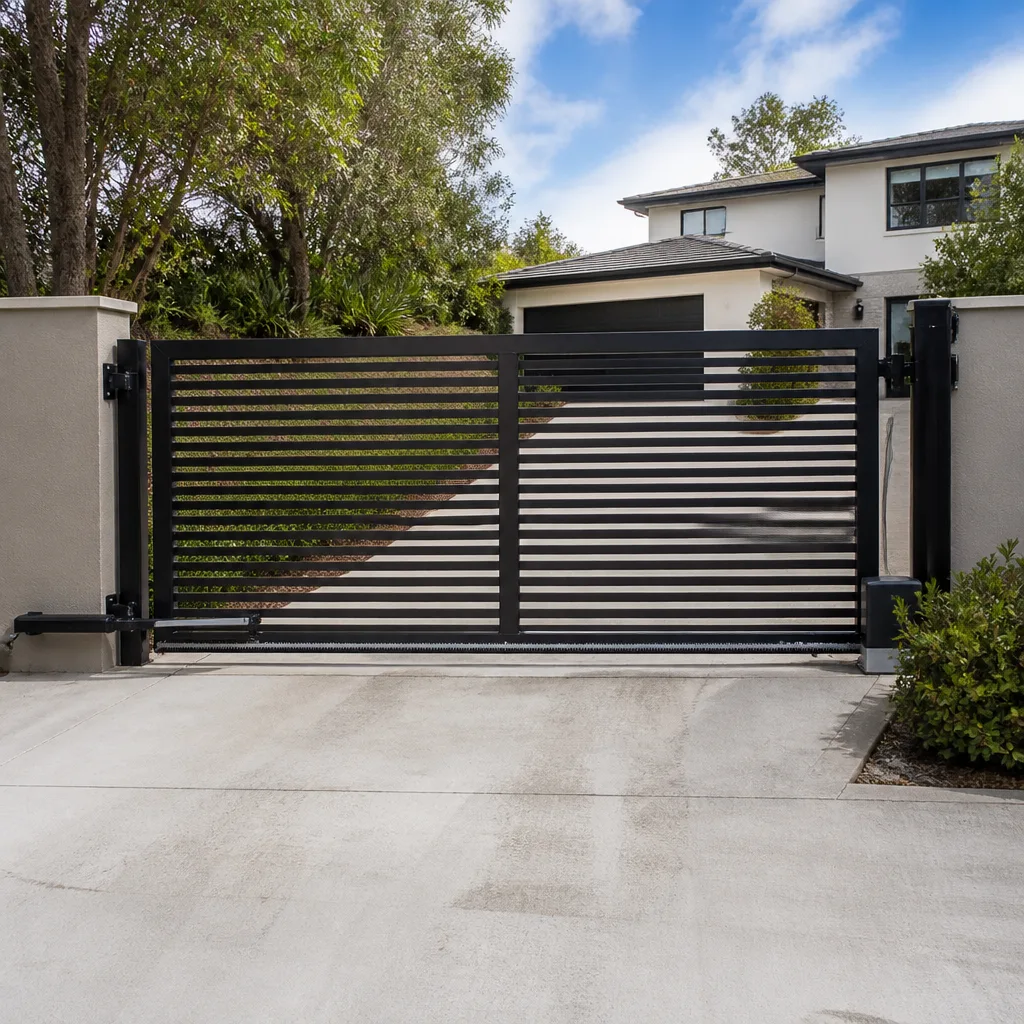 Sliding driveway gates
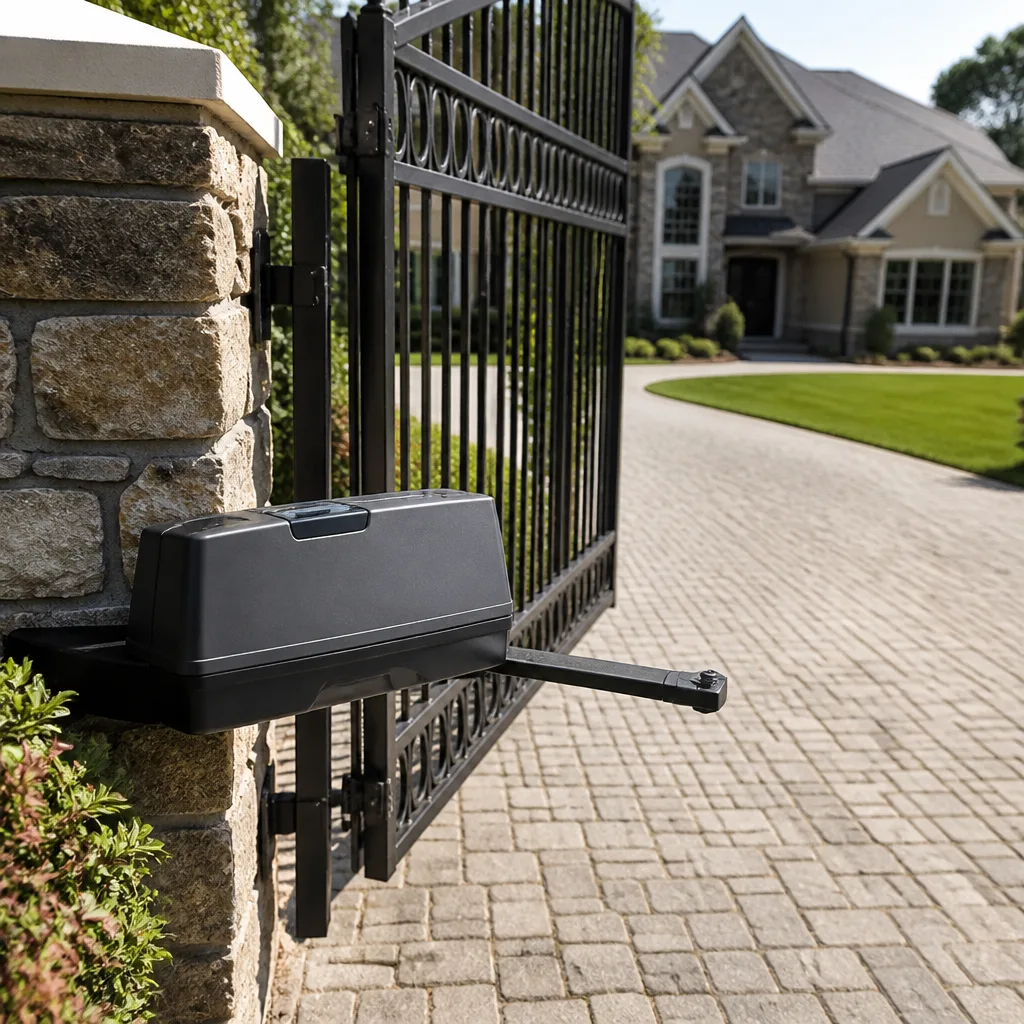 LiftMaster operators
Free on-site gate assessment - hinges, posts, and your LiftMaster or Nice gate operator checked before anything is quoted
The assessment is free and the quote is the invoice.
Get your free estimateChoosing the Right Gate Repair Brand: A Buyer’s Guide for Laurelhurst
A residential-rated operator on a gate that opens 40 times a day will fail in under two years regardless of brand, and duty cycle mismatch is the leading cause of premature operator failure. Almost no sales pitch mentions it. Most buyers in Laurelhurst compare operators by price tag and brochure photos, then discover the real differences the first time a control board fails and the part is three weeks out. This guide covers what actually separates one gate brand from another: cycle ratings, environmental tolerance, parts supply, and how cleanly each system talks to modern access control. By the end you’ll know how to spec an operator for your own driveway or commercial entrance, and how to tell a specialist from a generalist before you hire.
Quick Answer
The right gate repair brand in Laurelhurst is the one whose duty cycle rating matches how often your gate actually cycles, whose parts are still in production and available locally, and whose control platform integrates with the access equipment you plan to use. Brand reputation matters far less than those three specs. A mid-tier operator correctly matched to your gate will outlast a premium unit that’s undersized for its daily use.
Styles & brands we work with
- Wrought iron
- Wood & steel frame
- Farm & ranch
- Sliding driveway gates
- LiftMaster operators
Table of Contents
- The Spec Categories That Actually Matter
- How to Calculate Your Gate’s Daily Cycle Count
- Brand-by-Brand Overview of the Nine Major Lines
- Parts Availability and Discontinuation Risk
- Smart Access Control Compatibility
- Laurelhurst Climate and What It Does to Operators
- Residential vs. Commercial: Matching the Operator to the Property
- Common Mistakes to Avoid
The Spec Categories That Actually Matter
When you compare gate operators, four specifications carry most of the weight. Everything else is secondary.
Duty cycle rating. This is the number of cycles an operator can perform per hour, and it’s the single best predictor of lifespan. A unit rated for 12 cycles an hour and one rated for 60 look similar on a spec sheet and cost wildly different amounts, because the gearing, motor windings, and heat dissipation inside are different machines altogether.
Ingress protection (IP) rating. The IP number tells you how well the housing keeps out dust and water. A low IP rating means moisture finds its way to the control board and the motor housing. In a western Oregon climate with months of steady rain, that matters more than almost any marketing claim on the box.
Battery backup capability. Whether the operator accepts a backup battery, and how gracefully it switches over, determines whether your gate still works during a power interruption. Not every system supports it, and some that do handle it better than others.
Smart access integration. Keypads, intercoms, card readers, and phone-based entry all need to talk to the operator’s control board. Some brands make this easy with open terminals and documented inputs. Others lock you into a proprietary ecosystem you’ll pay for later.
If you’re shopping for an operator, ask for these four specs in writing. Any company that can’t supply them is selling you a box, not a system.
How to Calculate Your Gate’s Daily Cycle Count
You can’t choose the right operator until you know how hard your gate works. A cycle is one full open plus one full close. Here’s how to estimate yours without special tools.
- Count the vehicles. Estimate how many cars pass through the gate on a typical weekday. Each one entering and leaving is two cycles.
- Add the extras. Deliveries, service calls, dog walkers, school pickups, and anyone who opens the gate to walk through count too.
- Multiply by peak multiplier. If your gate is a shared driveway, a small business entrance, or a multi-unit access point, add half again for overlapping arrivals.
- Scale by day of the week. A residential driveway might see 10 cycles on a quiet day and 40 on a working household’s busy one. Use the busy number, not the average.
- Add a buffer. Spec the operator at roughly double your highest daily count. Gates get used more than owners expect, and an operator running near its limit wears fast.
A single-family driveway in Laurelhurst with two vehicles might see 20 to 30 cycles on a full day. A small commercial entrance or a shared driveway serving several homes could see 100 or more. Those two properties need completely different equipment, and the mistake of putting a residential unit on the higher-traffic gate is one we see repeatedly. If you’re not sure which category you fall into, that’s a good reason to have someone who works on gates look at the property before you buy a replacement.
Brand-by-Brand Overview of the Nine Major Lines
We’ve worked on nine major gate system brands, and each has a personality. What follows is where each line tends to shine and where it tends to give trouble in this region’s conditions and use patterns. This is a starting point, not a verdict; the right brand depends on your gate and your traffic.
Mighty Mule and Ghost Controls
These are the entry-level DIY-friendly lines, common on residential driveways. They’re affordable and parts are easy to find, which makes them a reasonable fit for a lightly used single-family gate. Their weakness is duty cycle: they’re not built for heavy daily use, and a busy household can wear one out faster than expected. The control boards and arms are also more exposed to moisture than commercial-grade hardware.
LiftMaster
LiftMaster is one of the most widely recognized names in the trade, with strong parts availability and a good range of residential and light commercial operators. It integrates cleanly with a lot of access equipment. It’s a dependable default when you want a known quantity with an easy service path.
Linear
Linear sits in the dependable mid-range. Parts are generally available, the systems are well understood by technicians, and the controls are straightforward. It’s a sensible choice when you want commercial-adjacent reliability without the commercial price tag.
Viking
Viking is known for swing gate operators that handle heavier gates well. It’s a solid fit for wide residential entrances and light commercial swing gates where the duty cycle needs are moderate to high.
FAAC and BFT
These are the commercial-grade European lines, and they’re built for serious cycle counts. FAAC and BFT operators are common on high-traffic commercial entrances and large residential installations. Their strength is durability and engineering; their weakness for a homeowner is that parts and service knowledge are less universal, so you want a specialist who works on these systems regularly. This is exactly the kind of system where Gate Repair Laurelhurst matters, because a generalist may not be set up to diagnose or source parts for these lines.
DoorKing
DoorKing is a commercial access control name, often found on gated communities, business parks, and multi-tenant entrances. It pairs well with access control systems and is built for continuous use. Service requires familiarity with both the operator and the access platform.
Elite
Elite operators are common on residential and light commercial slide and swing gates. They’re a reliable mid-tier line with a good service path, and they handle reasonable daily traffic well.
The practical takeaway: match the brand’s typical use case to your own, and don’t assume the cheapest unit or the most premium unit is automatically right. If you’re buying a new system rather than repairing, the same logic applies to gate installation: the operator should be chosen for the gate and the traffic, not the other way around.
Parts Availability and Discontinuation Risk
A cheaper brand with a poor parts supply chain becomes expensive to maintain within three to five years. That’s the hidden cost almost no buyer factors in.
Gate operators are mechanical and electronic, and both parts wear. Motors, control boards, limit switches, and gear assemblies all eventually need replacement. If the manufacturer still supports the model and parts are readily available, a repair is a few hours of labor and a part. If the model is discontinued and parts are scarce, a simple failure can turn into a full system replacement because there’s nothing to fix it with.
Here’s how to judge a brand’s parts risk before you buy:
- Check model age. Ask how long the current model has been in production and whether a replacement model exists. A line with a long production run and a clear successor is safer than a short-lived one.
- Ask about discontinuation history. A brand that quietly discontinues models every few years leaves owners stranded. A brand that keeps production runs long and supports older units is worth more than its sticker price.
- Look at the aftermarket. Widely used brands have broad parts availability; niche brands may only have parts through a single distributor.
- Consider commercial lines for long-term holds. Commercial-grade brands like FAAC and BFT build for longer service lives, which usually means longer parts support.
When you compare a $600 operator with a $1,200 operator, you’re often comparing a model with a three-year parts window against one with a ten-year one. The cheaper unit can cost more over the life of the gate. That’s why we tell people to price the brand’s service path, not just the box.
Smart Access Control Compatibility
Modern access control is where brand choices get locked in. Some operators play well with third-party keypads, intercoms, card readers, and phone-based entry. Others use proprietary ecosystems that limit your options over time.
What to look for:
- Open, documented control inputs. The operator should have clearly documented terminals for a keypad, an intercom, a card reader, or a loop detector, so you’re not dependent on one vendor for every accessory.
- Standard voltage and relay compatibility. Access equipment evolves faster than operators. If the operator speaks common standards, you can add or swap access gear without replacing the operator.
- Known integration partners. Ask which access control systems the brand integrates with cleanly. A brand that has worked well with common platforms is a safer bet than one with a narrow list.
- Upgrade path. If you think you might add phone-based entry or a smarter keypad later, choose an operator with an upgrade path now, so you’re not paying for it twice.
This is a big reason we keep a full-service gate access control capability in the same shop as gate motor & opener work. The operator and the access panel have to be chosen together, and too often they’re bought separately and then made to fight each other. When access control and the operator come from the same plan, everything from the keypad to the control board is speaking the same language.
Laurelhurst Climate and What It Does to Operators
Western Oregon’s wet, mild winters are hard on gate hardware. Months of steady rain, damp mornings, and temperatures that hover near freezing without dropping hard mean moisture sits on metal and works its way into enclosures. That’s a different challenge than a hot, dry climate or one with harsh freezes, and it changes what you should prioritize.
For Laurelhurst properties, this climate argues for:
- Higher IP ratings. A well-sealed enclosure keeps rain and splash out of the motor and control board. This is the single most important climate-related spec here.
- Drainage and mounting height. Operators and control boxes mounted so water drains away from them last longer. A low-mounted enclosure on a wet property is a slow leak waiting to short a board.
- Corrosion-resistant hardware. Hinges, latches, and fasteners that resist rust keep a swing gate closing cleanly, which reduces strain on the operator.
- Battery backup. Storms knock out power here, and a gate that’s stuck open in bad weather is both inconvenient and a security gap.
- Regular lubrication and adjustment. Damp conditions accelerate wear on moving parts; keeping rollers, hinges, and tracks adjusted keeps the operator from fighting a binding gate.
If your gate is binding, dragging, or sluggish in wet months, that’s often the gate itself rather than the operator. A proper gate repair that addresses the gate’s movement is cheaper than replacing an operator that’s been straining against it. Either way, diagnosing which part is at fault is the first step, and it’s one a gate specialist can do faster than a generalist.
Residential vs. Commercial: Matching the Operator to the Property
The residential versus commercial split is really a duty cycle and access control split, not a zoning split. The same driveway can need a residential unit or a commercial one depending on how it’s used.
Residential-fit operators are built for modest daily use, a single household’s traffic, and simpler access control. They’re the practical choice for a typical Laurelhurst driveway where the gate opens for the family cars and the occasional visitor.
Commercial-fit operators are built for continuous daily use, higher cycle counts, and integration with access control platforms. They also have longer parts support and service lives, which is why they show up on shared driveways, small business entrances, and gate-protected lots even when the property looks residential.
The wrong match goes both ways. A commercial-grade unit on a lightly used driveway is overkill and costs more to service. A residential unit on a busy shared entrance is a premature failure waiting to happen. Both mistakes get made, and both are avoidable when someone matches the operator to the actual traffic.
Common Mistakes to Avoid
- Buying on brand name alone. A household name in the trade isn’t automatically right for your gate. Match the brand’s typical duty cycle to your actual use before you commit.
- Ignoring the parts window. A cheaper model that’s discontinued in three years can cost more than a premium one with a long service life. Ask about production runs and parts support before you buy.
- Putting a residential unit on a busy gate. Forty cycles a day on a unit rated for twenty is the fastest way to a premature failure. Count the traffic first.
- Choosing the operator before the access control. Buying the operator and the keypad separately, then trying to make them talk, is a common and expensive mistake in Laurelhurst. Plan both together.
- Blaming the operator for a binding gate. A gate that drags or sags strains the operator. Fixing the gate’s movement first can save you a motor.
- Skipping the wet-season check. Western Oregon’s damp months work on enclosures and moving parts. A pre-winter check of seals, mounting, and lubrication prevents a lot of spring repairs.
- Hiring a generalist for a system-specific problem. A handyman with a gate on the side may not be set up to diagnose or source parts for a commercial line. For anything on an automated or access-controlled system, a gate specialist is the right call.
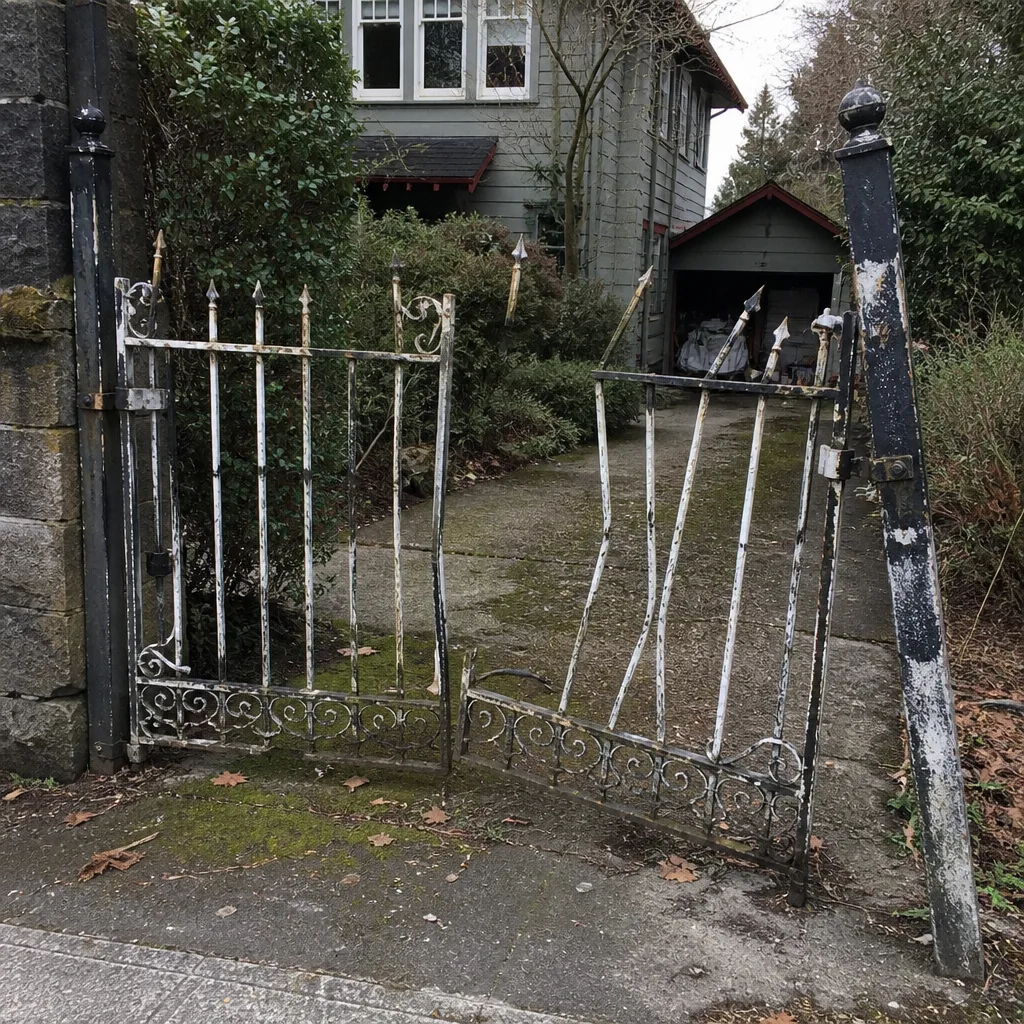
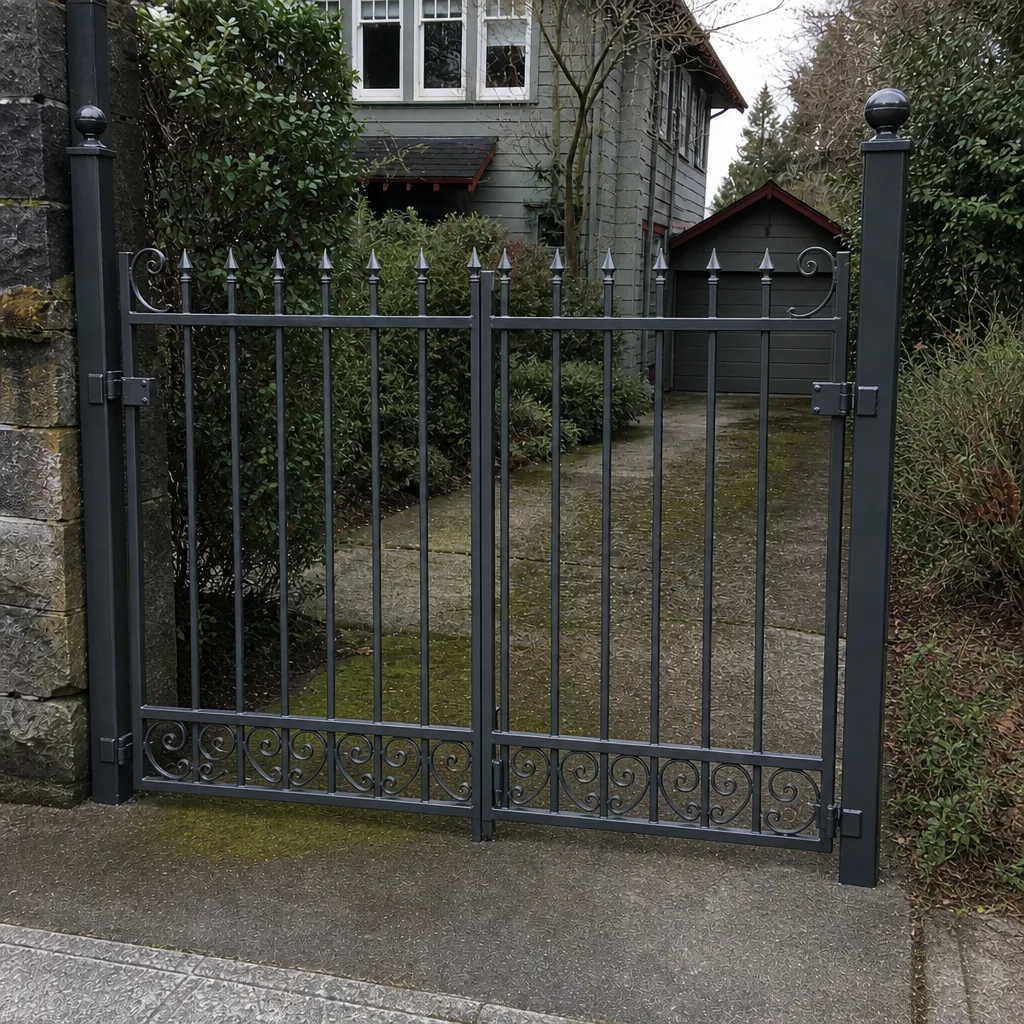
See the difference
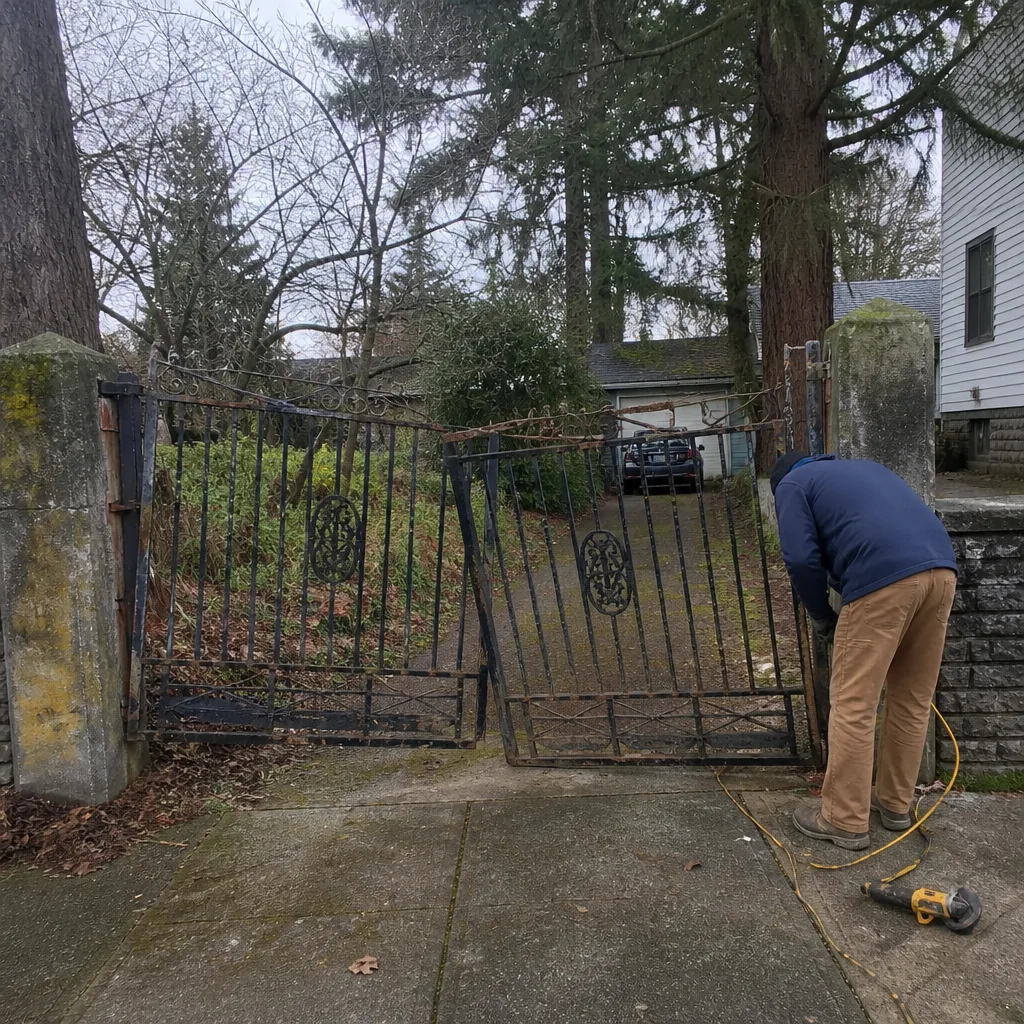 Before
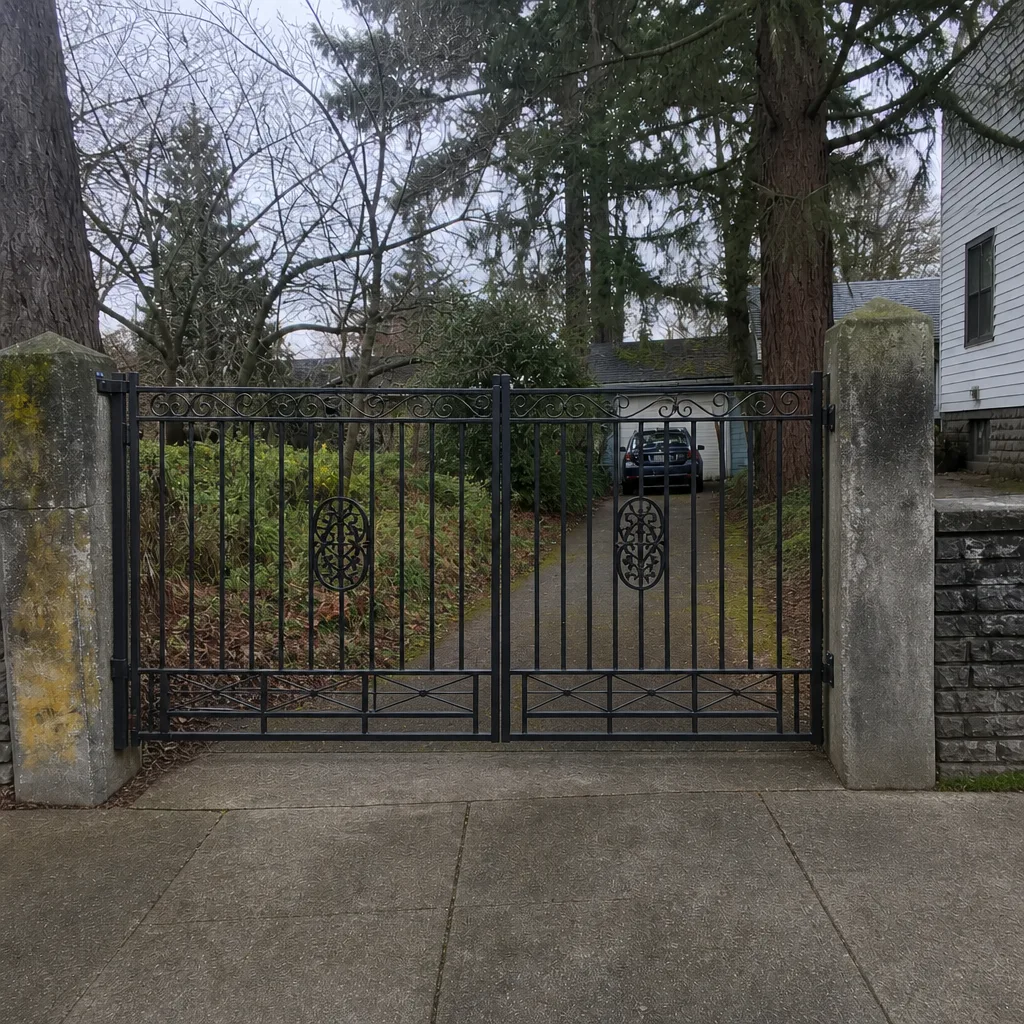 After
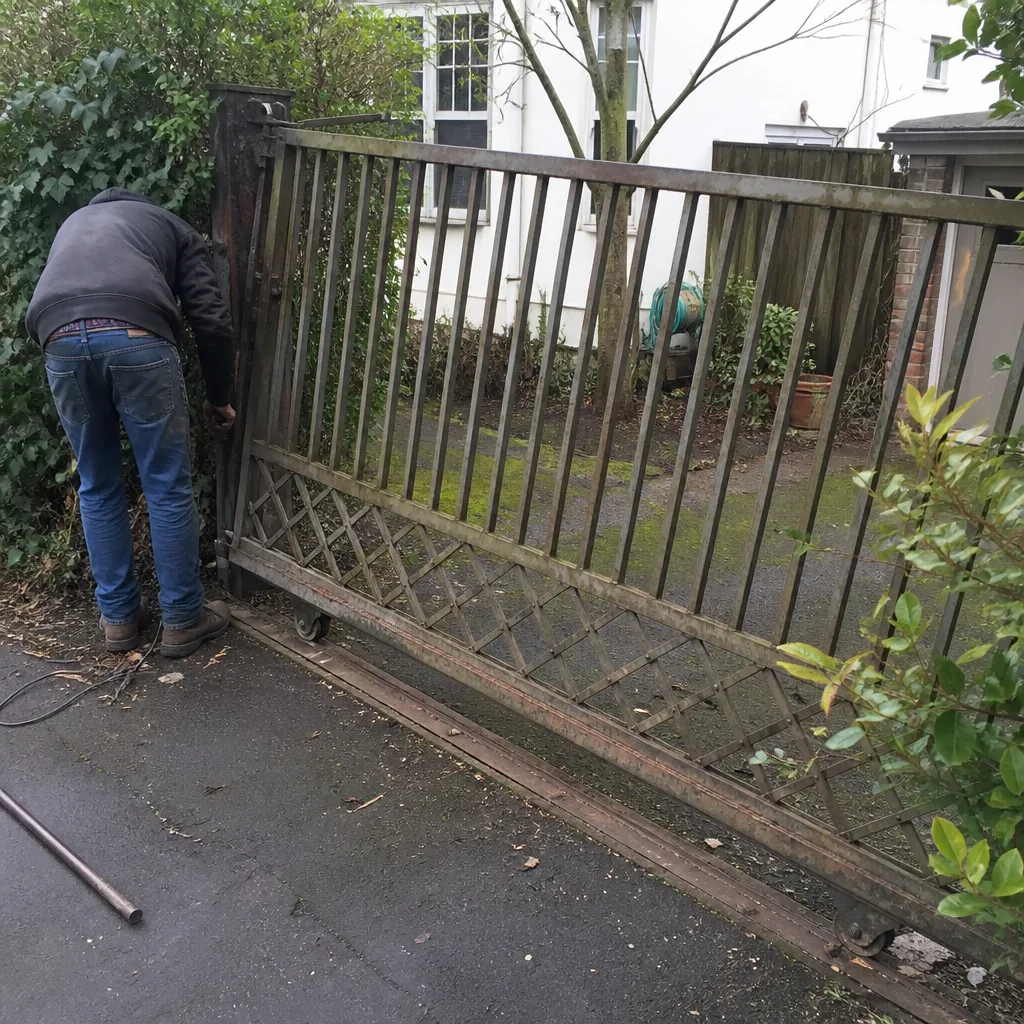 Before
 After
 Before
 After
When to Call a Professional
Some gate problems need a specialist. Call someone if the operator won’t run or runs erratically, if the gate reverses unexpectedly or stops mid-travel, if the control board is failing, if the access control isn’t letting people in or out reliably, or if you’re adding or replacing an operator and want the brand matched to your gate. Those are all jobs where the wrong diagnosis costs money. Because we’re a dedicated gate specialist, the same people who work on a broken weld also handle the motor and the access panel, and our technicians have up to 8 years of experience with automated systems. Gate Repair Laurelhurst offers free estimates in Laurelhurst. Call (844) 494-1604. We answer 24/7, and fast dispatch from 7am to 7pm, Sunday through Friday.
Frequently Asked Questions
There’s no single best brand; the right one depends on your gate’s weight, your daily cycle count, the climate demand, and your access control plans. A residential-rated unit on a busy driveway will fail no matter how good the brand. Our advice is to choose by duty cycle, IP rating, parts availability, and access control compatibility, then pick the brand that fits.
Count each car entering and leaving as two cycles, add deliveries and visitors, and use your busiest day rather than the average. Then spec the operator at roughly double that daily count. If you’re not sure, someone who works on gates can estimate it from your driveway and gate in a few minutes.
It depends heavily on duty cycle match. A correctly sized operator that’s maintained and used within its rating can last many years, while an undersized one can fail within two. Parts availability also determines how long you can repair rather than replace. The brand’s service life matters as much as its build quality.
Yes. We work on nine major lines, including Mighty Mule and LiftMaster, and we source parts for all of them. For a residential system that’s had a failure, the first step is diagnosing whether it’s the operator or the gate. Call (844) 494-1604 for an exact quote and the free-estimate option.
Often, yes. Whether you can add phone-based entry, a keypad, or a card reader depends on the operator’s control inputs and compatibility. Some brands have open terminals and integrate cleanly; others have proprietary setups that limit your options. That’s a good reason to have the operator and the access control planned together.
We look at the gate, the operator, and the access control, then put the price in writing before any work starts. The written estimate sets the final price, so there’s no surprise invoice later. Call (844) 494-1604. We answer 24/7, and fast dispatch from 7am to 7pm, Sunday through Friday.
The Bottom Line
Brand matters, but not the way most buyers think. Matching your operator’s duty cycle to your gate’s actual traffic, choosing an IP rating that survives a wet western Oregon winter, checking that parts are still in production, and picking a control platform that won’t lock you in will do more for your gate’s life than any logo on the box. Count your cycles, ask for the four core specs, and plan access control with the operator, not after it. If you’d rather have a gate specialist look at it, Gate Repair Laurelhurst is here for the whole lifecycle, from a failed control board to a brand-new system. Call (844) 494-1604 for a free estimate.
Written by the team at Gate Repair Laurelhurst.