
Last updated November 25, 2026
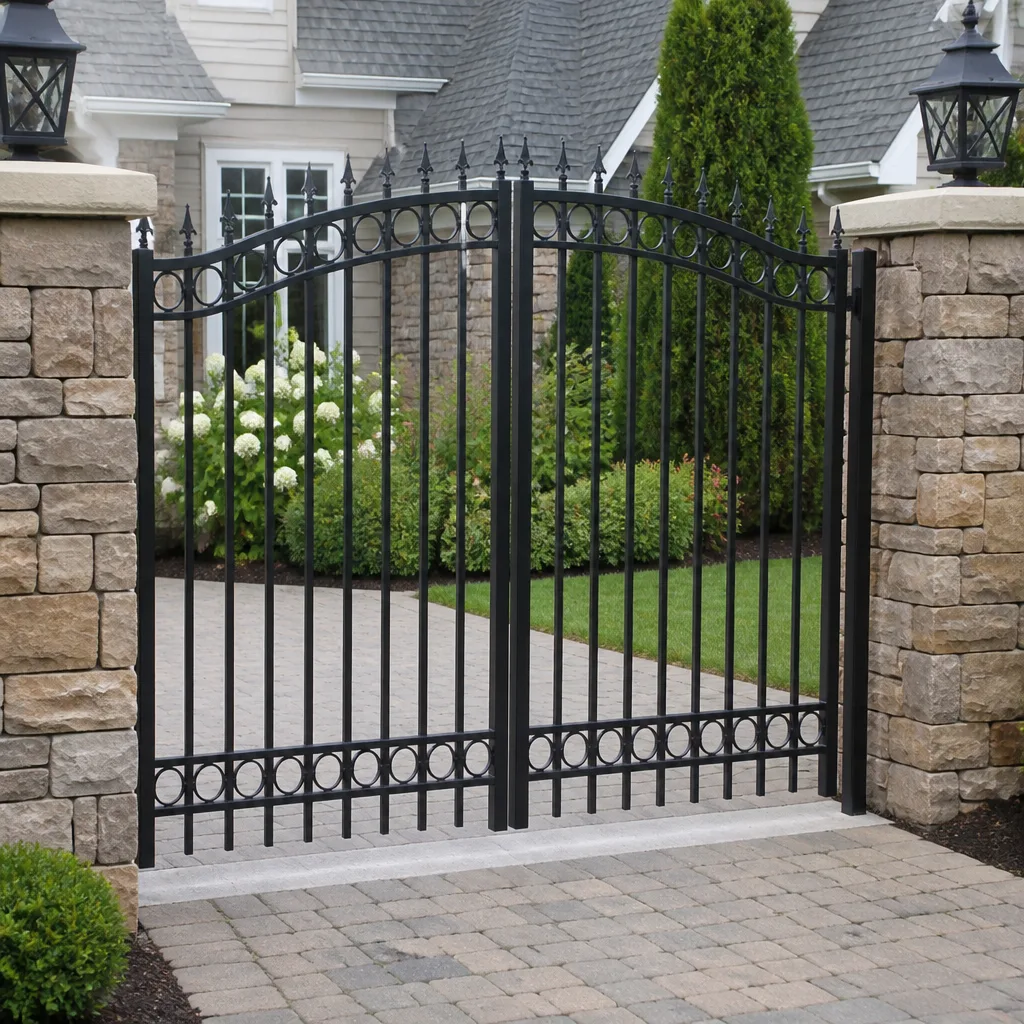 Wrought iron
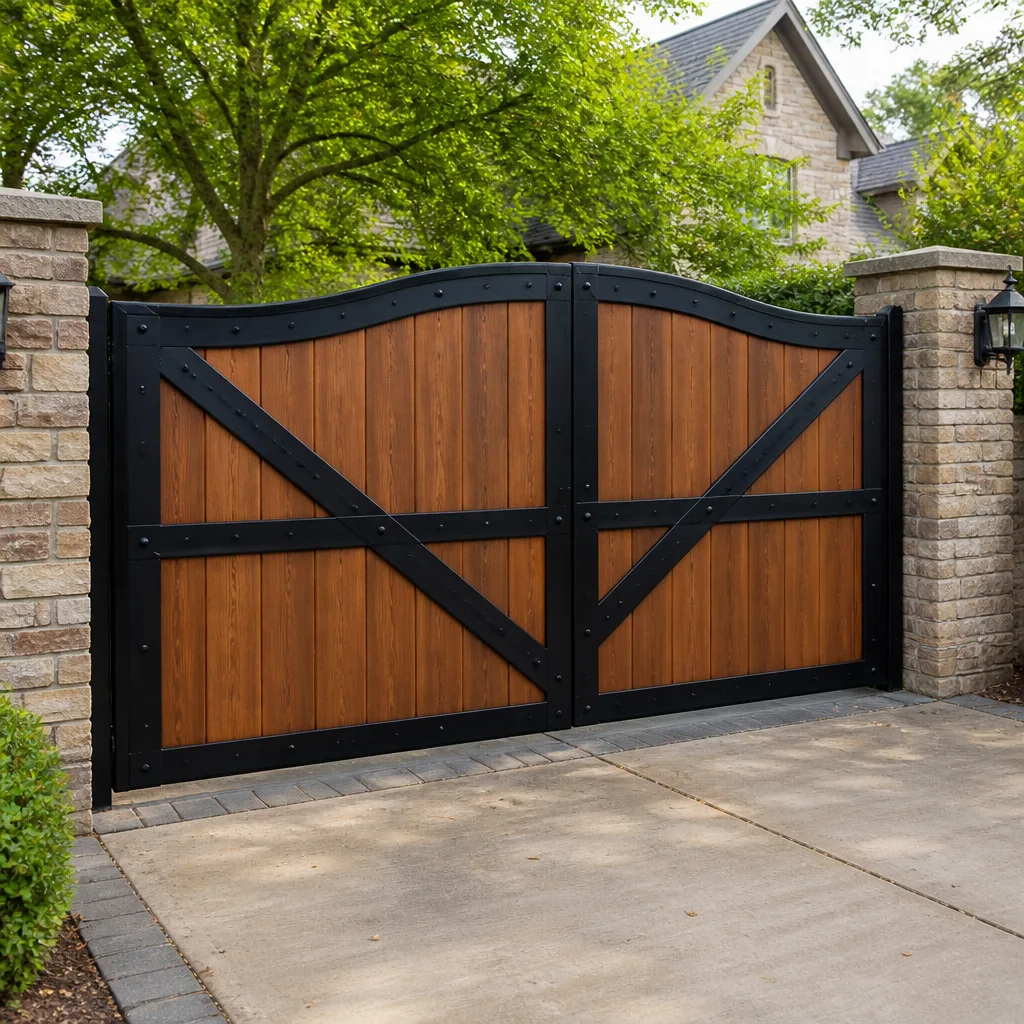 Wood & steel frame
 Farm & ranch
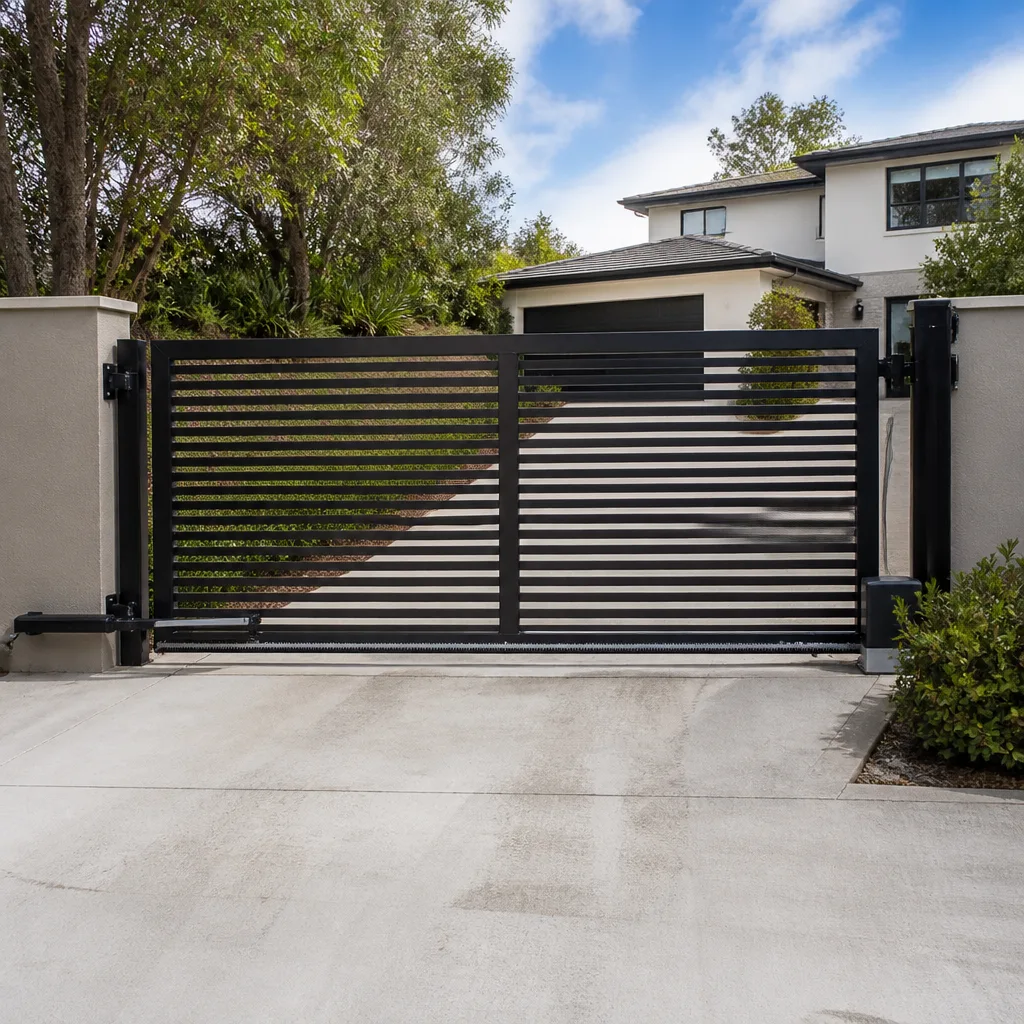 Sliding driveway gates
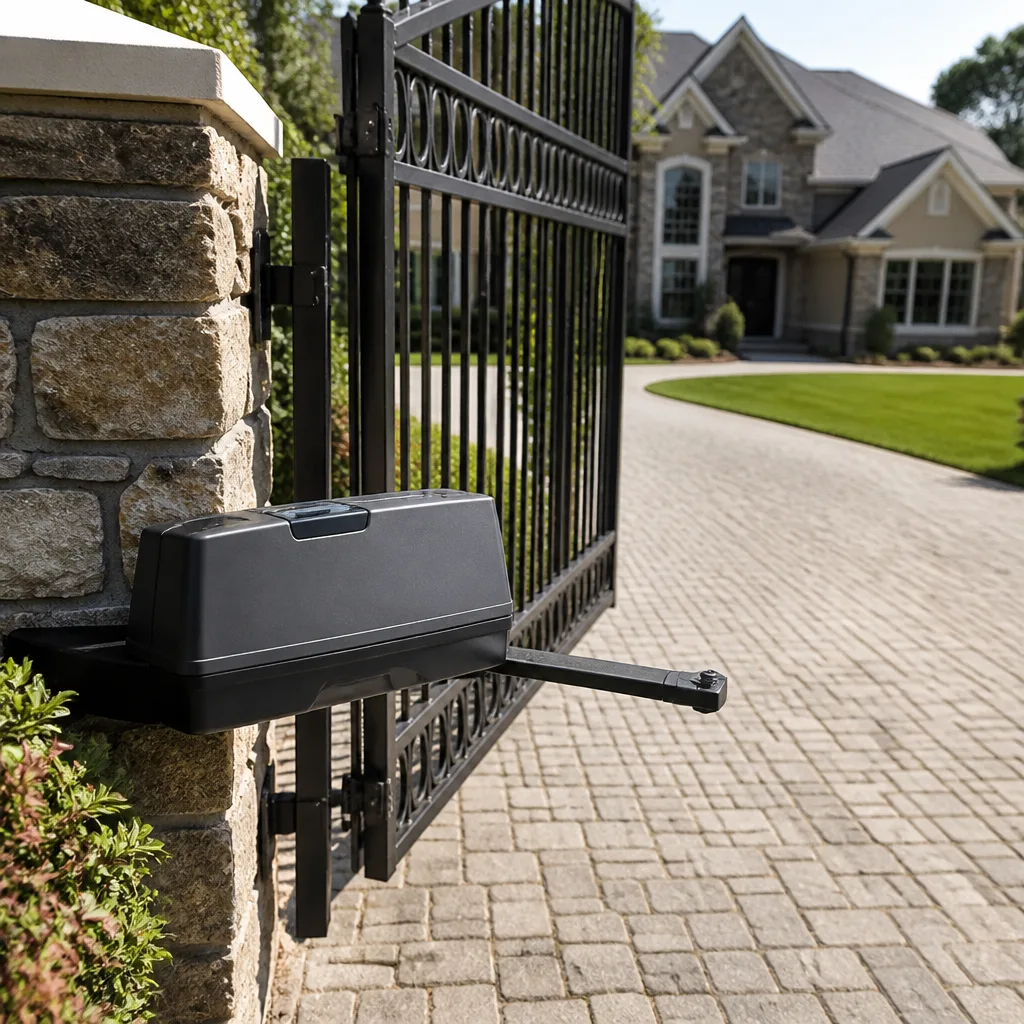 LiftMaster operators
Free on-site gate assessment - hinges, posts, and your LiftMaster or Nice gate operator checked before anything is quoted
The assessment is free and the quote is the invoice.
Get your free estimateGate Repair Maintenance Checklist for Laurelhurst Homeowners
A gate that won’t close usually tells you it was failing for months before it stopped. Most Laurelhurst homeowners lubricate the hinges, hear a smoother swing, and call it maintenance. But lubrication isn’t what fails first on this soil. Ground clearance is. The clay-heavy ground here swells through the wet season and settles as it dries, and that slow movement quietly shifts posts, throws gates off level, and forces the operator to work harder than it was built to. Few owners check that clearance until the motor starts straining. This guide breaks maintenance down by gate type, gives you the specific tolerances worth checking, and marks the tasks you can safely do yourself from the ones that carry real risk. Laurelhurst properties have their own wear patterns, and knowing them is what keeps a gate out of the emergency column.
Quick Answer
Maintain a gate in Laurelhurst by checking ground clearance, hinge play, track debris, limit switch position, and battery backup voltage on a set schedule, with extra attention after the wet season when soil movement is greatest. Swing, slide, and overhead gates each fail differently and need different checks. Lubrication and visual inspection are safe for homeowners; anything involving the operator’s wiring, the control board, or a heavy panel that can crush is work for a trained technician.
Styles & brands we work with
- Wrought iron
- Wood & steel frame
- Farm & ranch
- Sliding driveway gates
- LiftMaster operators
Table of Contents
- Why Laurelhurst Gates Fail Differently
- Build Your Checklist Around Your Gate Type
- The Specific Tolerances Worth Checking
- What’s Safe to Do Yourself and What Isn’t
- Laurelhurst Climate Notes: Moss, Drainage, and Hardware Wear
- How to Log Your Findings So Failures Get Caught Early
- A Simple Seasonal Schedule
Why Laurelhurst Gates Fail Differently
Most generic maintenance checklists are written for a climate that doesn’t move. Laurelhurst sits on soil that expands when wet and contracts when it dries, and that cycle runs twice a year. A gate that was perfectly aligned in October can be dragging on the ground by March. The operator never “fails” in the way people expect. It works, then works harder, then trips a limit or burns through a battery faster than it should, and by the time the gate stops, the damage started at the ground.
That’s why ground clearance is the number-one item most Laurelhurst homeowners skip. It’s not lubrication, and it isn’t the control board. It’s whether the gate still hangs with the same gap under the bottom rail that it had last season.
Post movement is the common thread. When a post shifts even slightly, a swing gate stops latching cleanly, a slide gate’s track goes out of line, and an overhead gate’s guides start to bind. The fix isn’t always a new operator, and treating it like one wastes money. In our experience, a large share of the operator burnouts we diagnose on Laurelhurst properties trace back to alignment that drifted months earlier.
There’s a second local factor: the tree canopy. Laurelhurst is heavily wooded, and that means leaf litter, small twigs, and moss working into tracks and hinges steadily through the year. Moisture sits longer under shade, which keeps surfaces damp and accelerates wear on hardware. A gate in full sun on an open lot ages slower than one tucked under mature trees two streets over. So the checklist you build should account for where your gate actually sits, not just what type it is. If you want the full picture of what a specialist relationship looks like for gate repair, that starts with understanding that maintenance and emergency work are two ends of the same job.
Build Your Checklist Around Your Gate Type
A swing gate, a slide gate, and an overhead gate share almost nothing in how they wear. A one-size-fits-all list will have you checking items that don’t apply and missing the ones that matter. Here’s how to split it. If you’re not sure which system you have, the operator brand and manual are the fastest way to tell; we work on the brand you already have, from Mighty Mule units on a residential driveway to FAAC and BFT systems on larger properties.
Swing Gates
- Check hinge play by lifting the gate slightly at the outer edge; excess movement means worn hinges or a loosened post.
- Inspect the ground clearance under the swing path, especially after the wet season.
- Oil hinge pins and the latch mechanism with a light lubricant.
- Watch the closing cycle for a slowed final foot, which points to a limit switch or alignment issue.
Slide Gates
- Clear the track of leaves, grit, and twigs. A slide gate’s track is where most problems begin.
- Check the rollers for flat spots or free spin.
- Look at the track foundation for pooling water or soft, settled ground.
- Confirm the gate runs level; a slight rise toward one end loads the operator unevenly.
Overhead and Vertical-Lift Gates
- Inspect guide rails and rollers for binding.
- Check counterbalance or lift hardware for wear.
- Watch for panel sag, which changes how the gate tracks in its guides.
- Confirm the gate seats fully in both the open and closed positions.
Running the right list for your gate type means you spend your time on the parts that actually fail. It also means a technician sees a focused maintenance history instead of a generic one. That’s the difference between catching a trend and reacting to a breakdown.
The Specific Tolerances Worth Checking
“Check your gate” is useless advice. Specific tolerances are what turn a walk-around into real diagnostics. These are the five checkpoints worth measuring rather than eyeballing.
- Hinge play. Lift the gate at its outer edge. A small amount of movement is normal; a noticeable lift or wobble means worn hinges or post movement. Left alone, play grows and puts strain on the operator.
- Track debris. The track should be visibly clear of grit and organic matter. Even a thin layer of packed leaves and soil raises resistance and loads the motor on every cycle.
- Limit switch position. The gate should stop at the same open and closed points every cycle. If it creeps past or stops short, the limits need adjustment before the operator works around a faulty stop.
- Battery backup voltage. Automated gates with battery backup depend on that battery for safe operation during a power cut. Check the voltage against what the operator’s manual specifies; a battery that no longer holds its range is a failure waiting for the next outage.
- Loop detector sensitivity. The safety loop that senses a vehicle must trigger reliably and release reliably. A loop that’s too sensitive holds the gate open too long; one that’s too weak can miss a vehicle entirely.
These five cover the most common trend-based failures we see. None of them require opening the operator housing, and for a homeowner, the right move is to measure, note, and act on what’s out of range rather than to adjust the internals yourself. When limits, voltage, or loop sensitivity are off, that’s diagnostic territory. Our technicians have up to 8 years of experience reading exactly these signals, and they can tell you whether the issue is adjustment or a part heading toward failure.
What’s Safe to Do Yourself and What Isn’t
Some gate maintenance is genuinely safe for a homeowner. Some of it carries electrical or crush-hazard risk that a checklist shouldn’t encourage you to take on.
Safe for most homeowners:
- Visual walk-around to spot rust, misalignment, and debris.
- Clearing the track and the swing path of leaves and twigs.
- Light lubrication of hinges and latches.
- Taking voltage readings from the battery backup terminals with the operator off, if you’re comfortable with a meter.
- Logging findings and checking ground clearance.
Not safe to do yourself:
- Any work inside the operator or on its power wiring. These systems run on line voltage, and opening the housing risks electric shock. This is a trained professional’s job.
- Limit and loop adjustments that change how the gate stops or senses a vehicle. Getting a limit wrong can send a gate past its stop; getting a loop wrong defeats the safety feature.
- Anything involving a heavy panel. A swing or slide gate can weigh hundreds of pounds, and a panel that comes off its track or hinges can crush a hand or a foot. Never try to lift or reposition a fallen panel alone.
- Post and footing work. Resetting a post is structural and, on automated gates, requires re-aligning the operator afterward.
The rule: if a task puts your hands near live wiring or under a heavy moving panel, stop. That’s what specialist technicians are for, and it’s why every technician we dispatch works exclusively in gate systems rather than splitting attention across general home repair.
Laurelhurst Climate Notes: Moss, Drainage, and Hardware Wear
Laurelhurst’s wet winters and dry summers create a specific wear pattern that generic guides miss. Three local factors drive it.
Moss and lichen on posts. The persistent damp under the tree canopy is ideal for moss and lichen, and they don’t just look untidy. They hold moisture against metal and wood, accelerating surface decay and, over time, the structural integrity of a post. A post that’s been colonized for a few seasons will show softness where the moss meets the ground line. Scraping moss and keeping air moving around a post is a small task that buys real time.
Drainage and track foundations. A slide gate’s track sits on a foundation that the local soil wants to move. Where water pools against the track, the ground softens and the track settles, and a settled track is a track that loads the operator on every pass. Check the drainage around any slide gate after heavy rain and look for low spots where water lingers.
Hardware wear timelines. In our experience, hardware in Laurelhurst’s shaded, damp microclimate wears faster than what a manufacturer’s handbook assumes for a dry site. Fasteners, hinges, and rollers on a deeply shaded property need checking more often than on an open, sun-exposed one. This isn’t a reason to panic; it’s a reason to shorten your inspection intervals. A gate that fails its checkpoints twice in a row is telling you a part is due.
For a full sense of what comprehensive gate maintenance and repair involves at the specialist level, these local details are exactly what a careful inspection picks up.
How to Log Your Findings So Failures Get Caught Early
The most underrated part of gate maintenance is the record. A single check tells you what’s wrong today. A log tells you what’s trending, and trending problems are the ones worth fixing before they become emergency calls.
Keep it simple. A notebook or a notes app works fine.
- Date every check. Note the season; wet season and dry season tell you different things.
- Record the five tolerances. Hinge play, track condition, stop positions, battery voltage, and loop behavior. Note whether each was in range.
- Note clearance under the gate. Measure the gap and write it down. A shrink in clearance over two checks is a post-movement signal.
- Log weather and any operator behavior like slowing, straining, or extra cycles. Patterns matter more than one-offs.
- Flag any repeat. If the same checkpoint is out of range twice in a row, that’s a trend, not a fluke.
When a technician arrives with your log, they can see what changed and when. That turns a repair from guesswork into diagnosis. It also means a part that’s heading toward failure gets caught on a routine visit instead of at the moment your gate is stuck open. Whether it’s a driveway slider or a commercial swing gate, the log is what makes the difference between reactive and preventive. If you’ve reached the point where the log shows a repeat failure, the right next step is a gate repair visit to diagnose it properly.
A Simple Seasonal Schedule
You don’t need to inspect your gate every month. A schedule tied to Laurelhurst’s wet-dry cycle catches the wear patterns that matter.
- After the wet season (early spring): the most important check of the year. Ground clearance, post movement, track condition, and moss removal, because that’s when soil movement peaks and its effects show.
- Mid-summer: battery backup voltage, limit positions, and loop sensitivity, since heat and heavy use stress the operator.
- Before the wet season (fall): track clearing, hinge lubrication, drainage inspection, and a full visual walk-around ahead of the damp months.
- After any significant rain: check drainage around slide gate tracks and look for pooled water.
If you’re planning a full system upgrade rather than routine upkeep, the requirements change: that’s a measured, scheduled job, so start with gate installation and get a written price after a measure. And if your operator is losing its settings, cycling oddly, or failing to hold a limit, it’s time to have a specialist look at gate motor & opener work before the problem cascades. Every quote is set before any work starts, so you’ll know the number before a technician touches the gate.
Common Mistakes to Avoid
- Skipping the ground clearance check. It’s the item that matters most here, and it’s the one most people skip because it isn’t on a generic checklist. Walk around the gate after the wet season and actually measure.
- Assuming a faulty operator needs replacing. On Laurelhurst’s moving soil, a dead operator often traces back to misalignment and post movement. Diagnose the cause before buying a new motor.
- Lubricating without checking. Oil on a worn hinge or a misaligned latch hides the play instead of fixing it. Check first, then lubricate what’s actually dry.
- Adjusting limits by trial and error. Guessing at limit positions can send a gate past its stop and damage the operator or the gate itself. Leave it to a technician with the right tools.
- Ignoring moss on posts. It looks harmless but traps moisture and quietly weakens a post. Scrape it off and check the base for softness.
- Neglecting drainage at the track. Pooled water softens the ground under a slide gate’s track and shifts the foundation. Fix the low spot before the track settles.
- Never keeping a record. Without a log, you can’t see a trend, and you’ll only notice a part when it fails. A few notes each check catch failures early.
See the difference
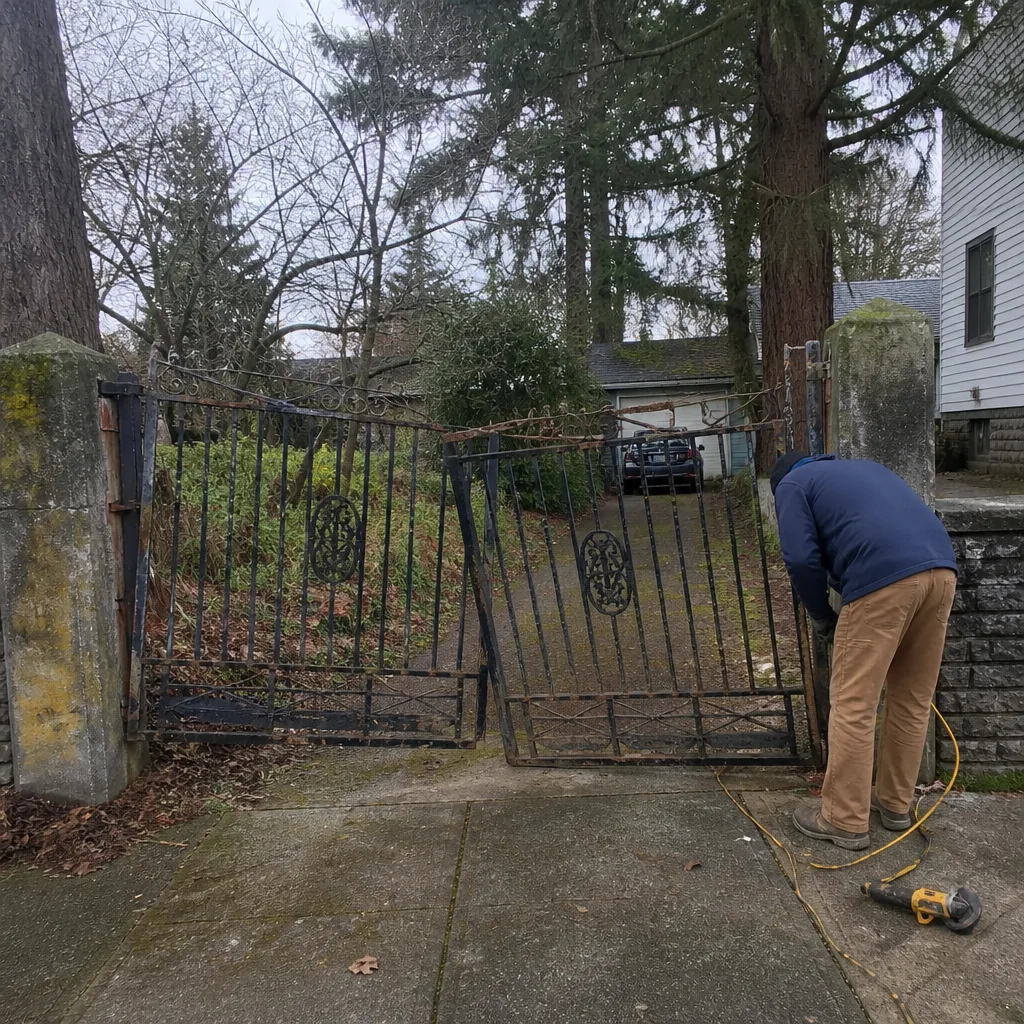 Before
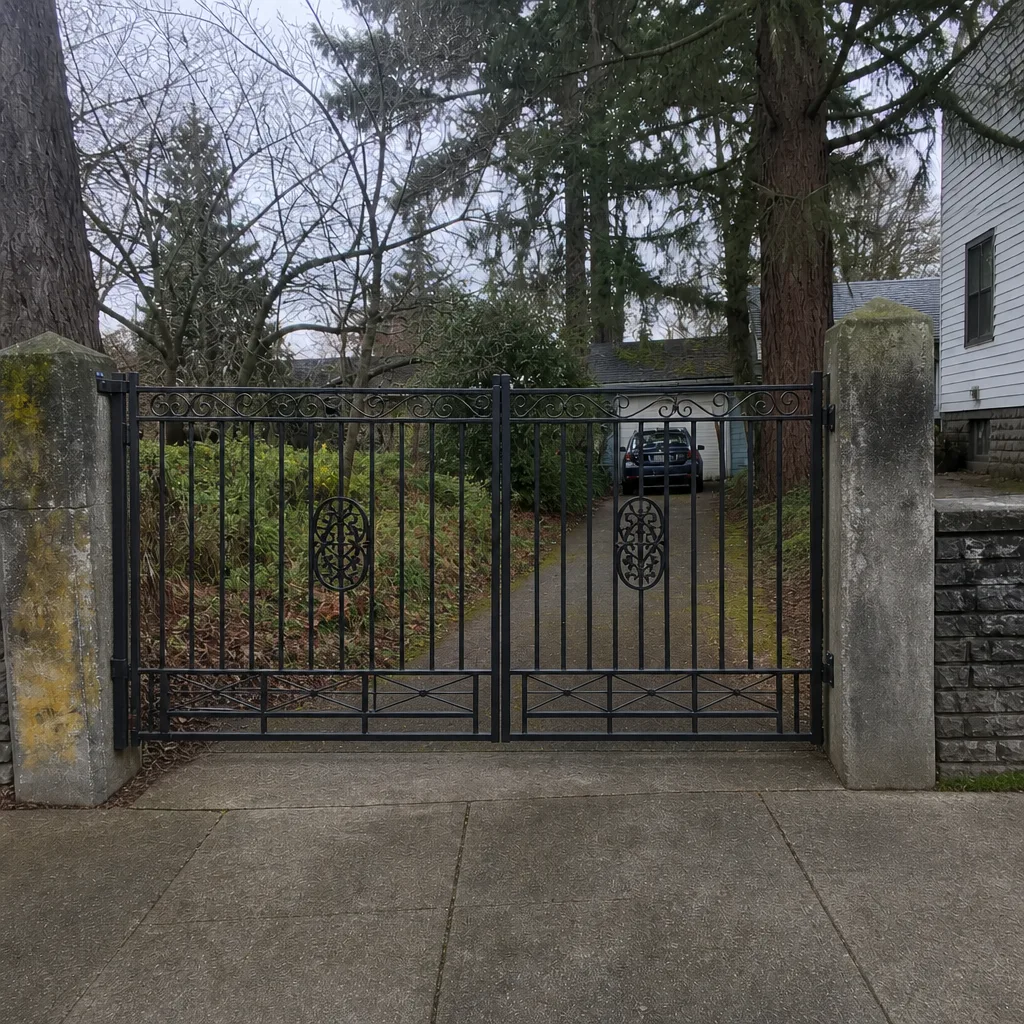 After
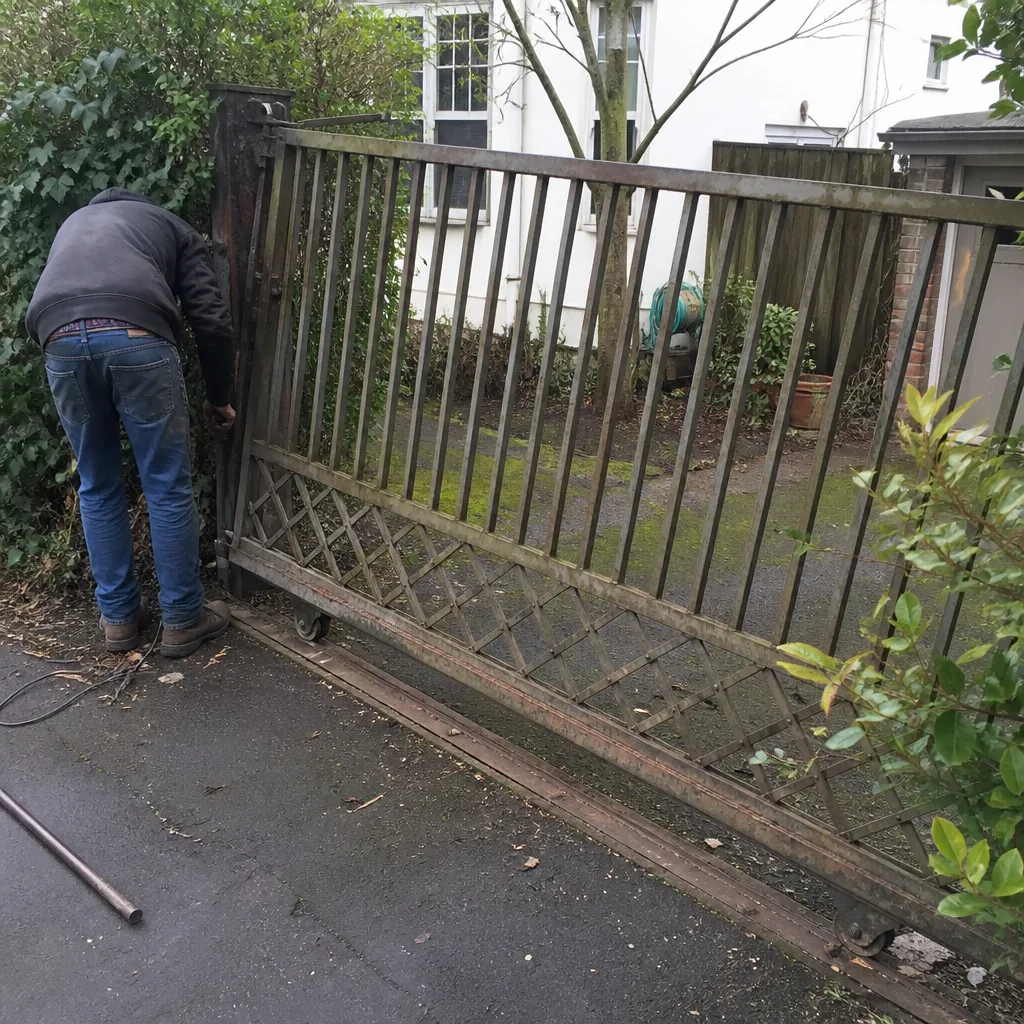 Before
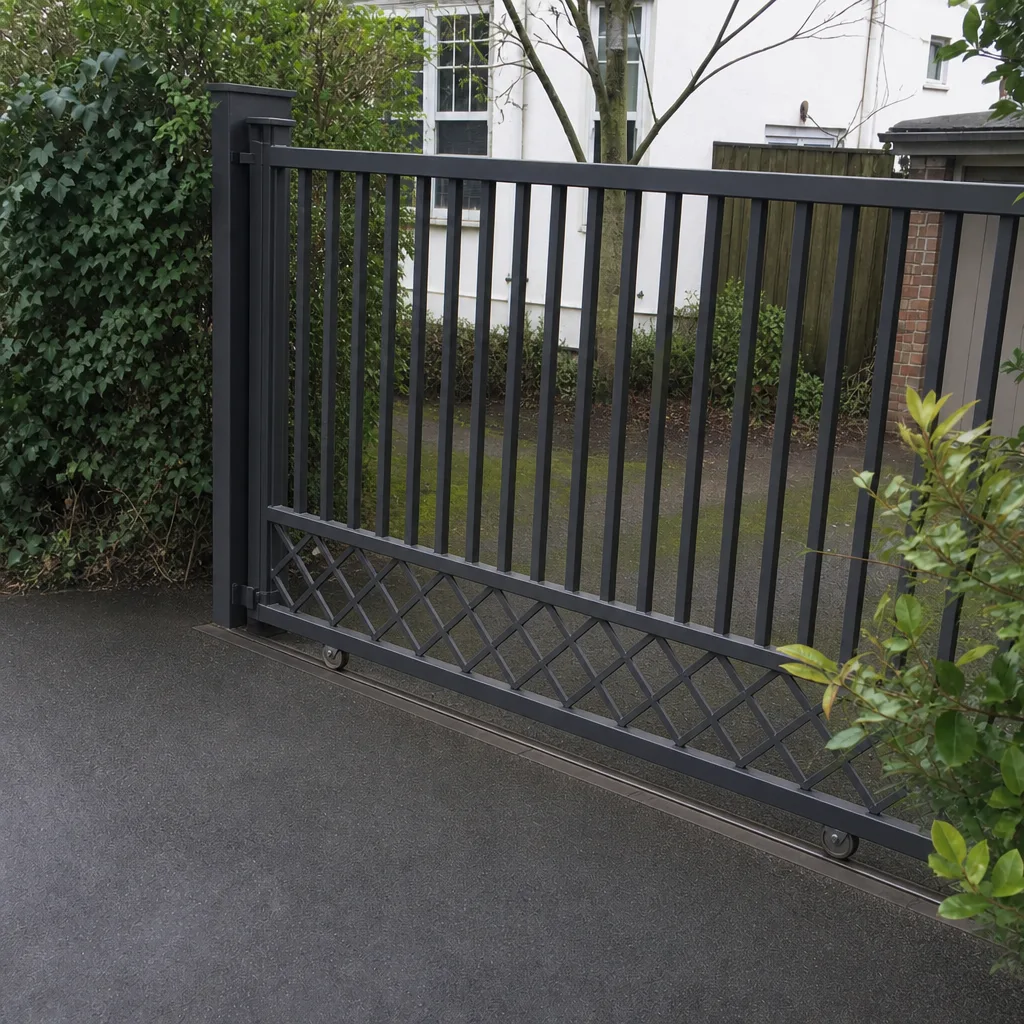 After
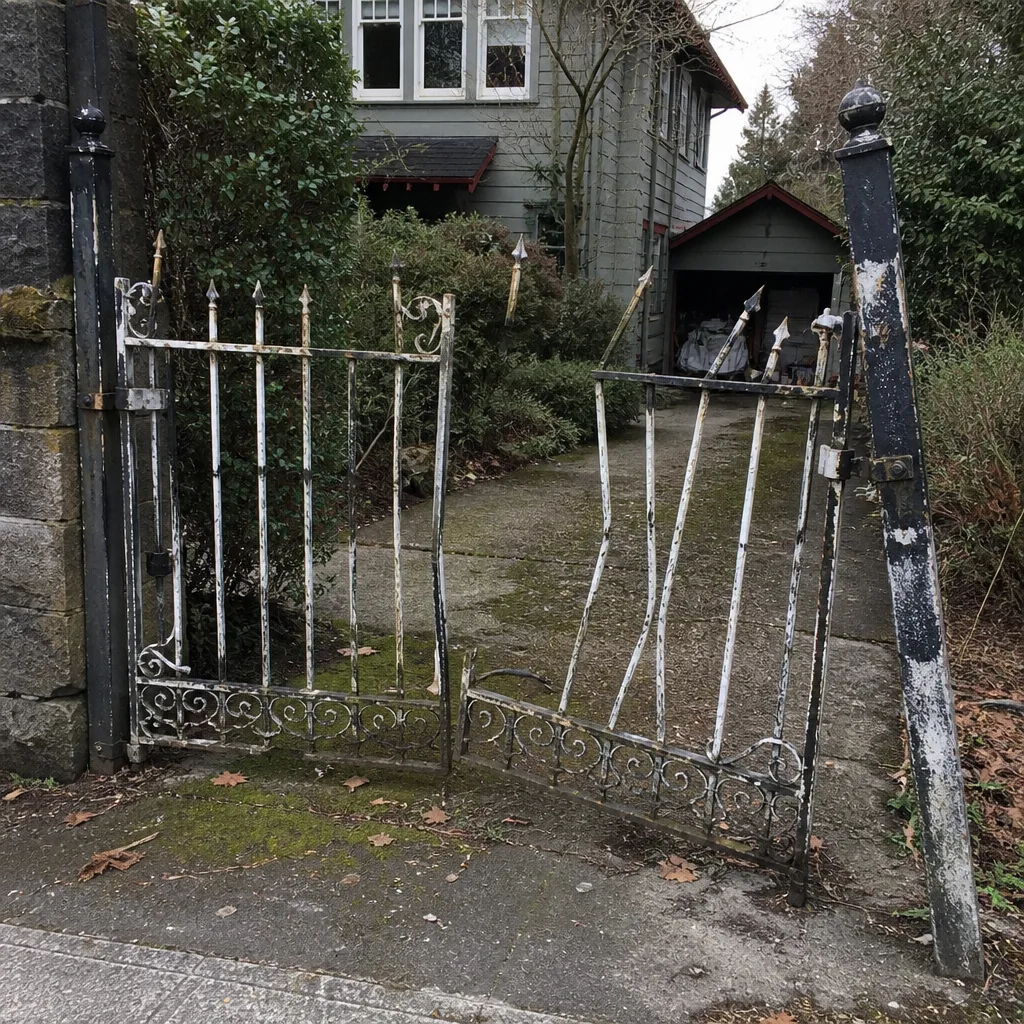 Before
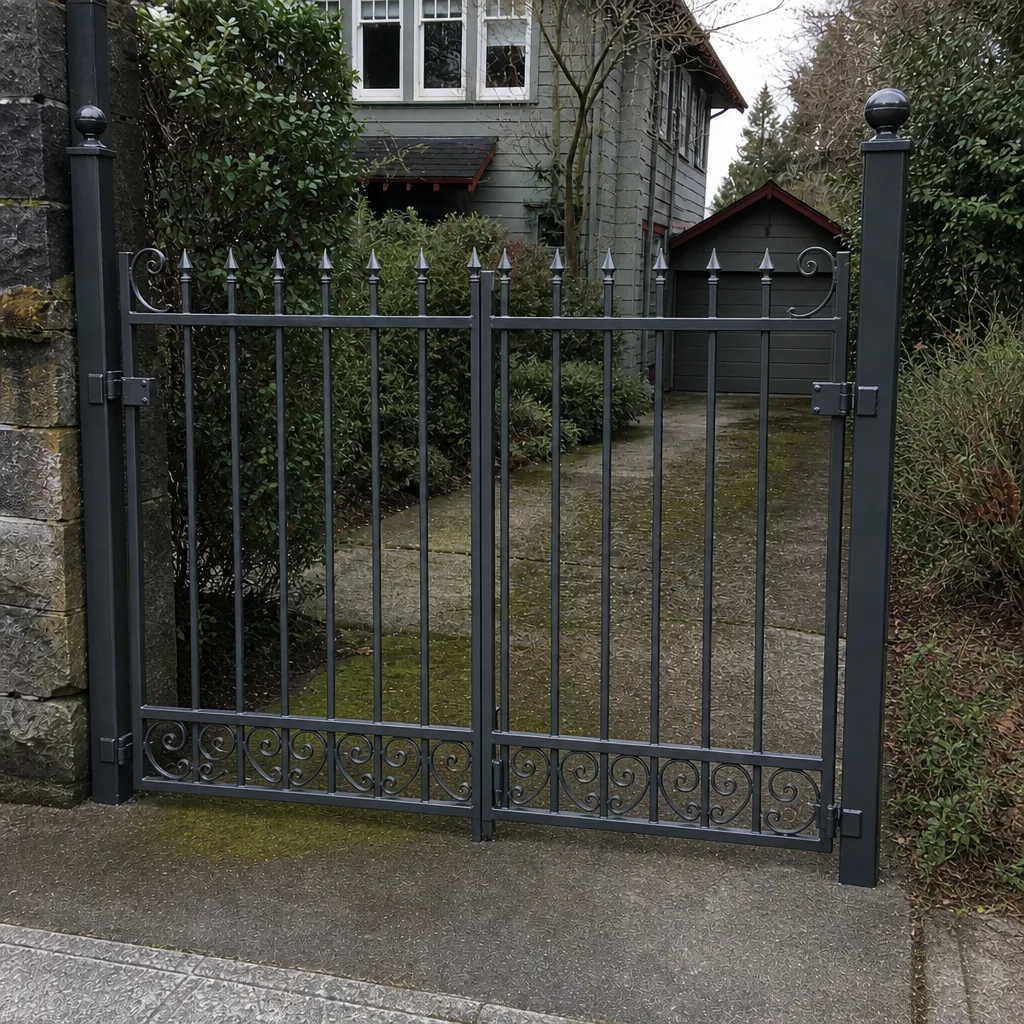 After
When to Call a Professional
Call a professional when the gate has moved past what maintenance can solve. That means any work inside the operator, the control board, or on line voltage wiring; a limit switch or loop detector that won’t hold its setting after adjustment; a heavy panel that’s come off its track or hinges; post or footing work; and any operator that strains, trips, or cycles oddly after a simple clearance and alignment check. Those are the points where a generalist costs you time, and a specialist saves it. Gate Repair Laurelhurst offers free estimates in Laurelhurst. Call (844) 494-1604 for a written price before any work begins. We answer 24/7. Fast dispatch from 7am to 7pm, Sunday through Friday.
Frequently Asked Questions
Check it at least three times a year, with the most important inspection right after the wet season when soil movement peaks. Add a check after any heavy rain if you have a slide gate, since drainage at the track matters. A brief monthly visual walk-around catches most debris and alignment issues early, and keeping notes on each check turns your maintenance into a useful record.
Ground clearance on a Laurelhurst gate usually shrinks because the post or the hinge has moved, not because the gate itself changed. The local clay-heavy soil swells and settles with the seasons, and that movement throws a gate off level. Measure the clearance after the wet season, and if it has shrunk, have a technician check the post and hinges before the operator takes the strain.
No. Anything inside the operator housing or on its power wiring runs on line voltage and carries shock risk, so it should only be handled by a trained professional. That includes the control board, limit switches, and loop detector adjustments. Homeowners can safely clear the track, lubricate hinges, check battery voltage with the operator off, and log findings. Call (844) 494-1604 for a free estimate.
An opening gate that acts on its own usually points to a loop detector sensitivity problem, a limit setting that’s drifted, or a wiring fault, none of which are safe to chase yourself. In a shaded Laurelhurst property, moisture and debris can also trip a safety sensor. This is diagnostic work for a technician who can test the loop and the limits directly. Call (844) 494-1604 to get it looked at.
A specialist gate tech works on the brand you already have, including Mighty Mule, LiftMaster, FAAC, BFT, and the other major systems common on residential and commercial gates. We work on the nine major manufacturers rather than steering you toward a replacement, and technicians can source parts for the system that’s already on your property. If you’re unsure of your brand, the operator’s manual or a photo of the controller will tell you.
Routine maintenance is the scheduled checking and clearing of the tolerances in this guide, done while things are working; a repair call is for something that has already failed or is failing, like a gate that won’t close, an operator that trips, or a panel off its track. If your log shows a repeat out-of-range finding twice in a row, treat it as a repair call, not just maintenance. Call (844) 494-1604 for a free estimate on the repair side.
The Bottom Line
The right maintenance checklist for a Laurelhurst gate is built around what fails first here: ground clearance and post movement, driven by the local soil cycle. Check your gate type’s specific items, measure the five tolerances instead of eyeballing them, and stay out of the operator and away from heavy panels. Log every check so trends surface before they become emergency calls. Handle moss and drainage with the same attention you give lubrication. Do the safe tasks consistently and bring in a specialist for the electrical and structural work. For gate repair, maintenance diagnostics, and everything in between, we’re the Laurelhurst gate specialists to call.
Call (844) 494-1604 for a free estimate. We answer 24/7. Fast dispatch from 7am to 7pm, Sunday through Friday. Estimates are free, and the written estimate sets the final price before any work starts. Every job runs Gate Repair Laurelhurst‘s full-lifecycle gate service, from the motor to the access panel.
Written by the team at Gate Repair Laurelhurst.