
Last updated November 25, 2026
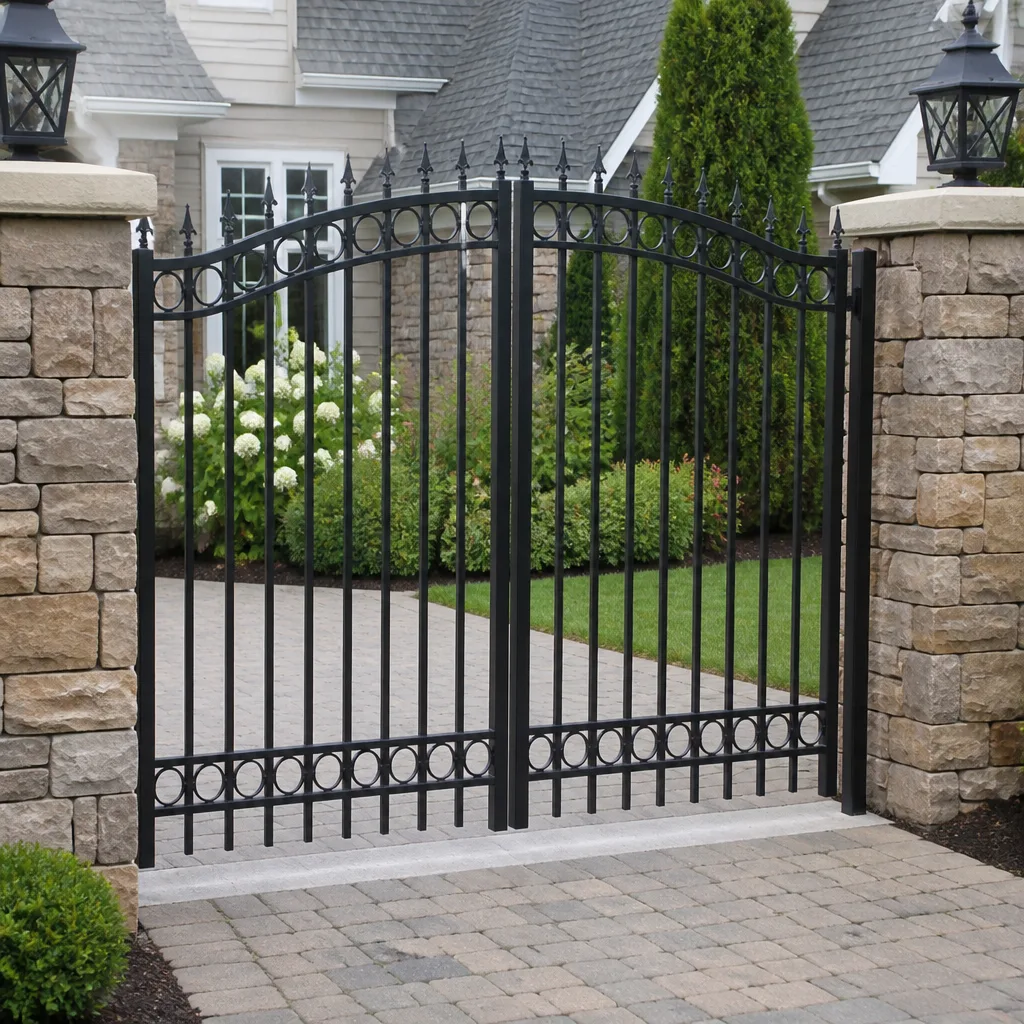 Wrought iron
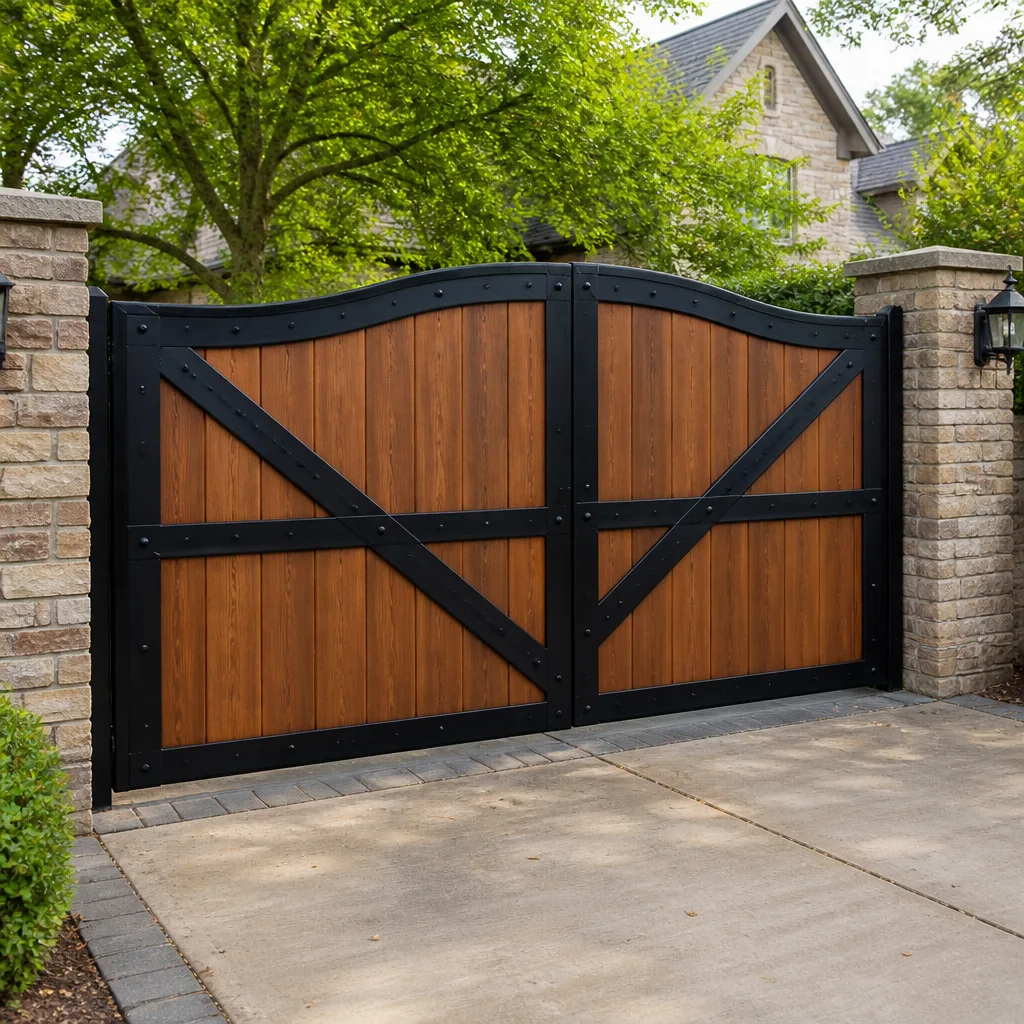 Wood & steel frame
 Farm & ranch
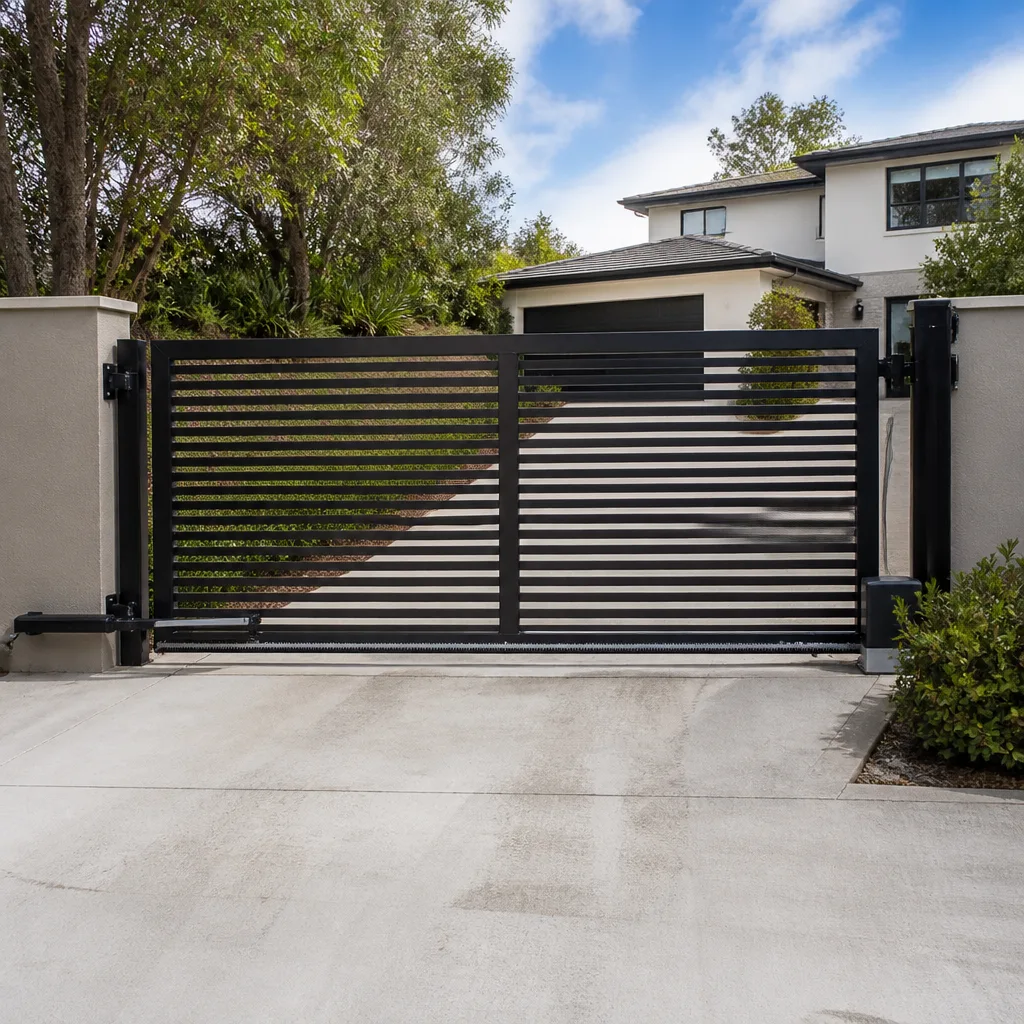 Sliding driveway gates
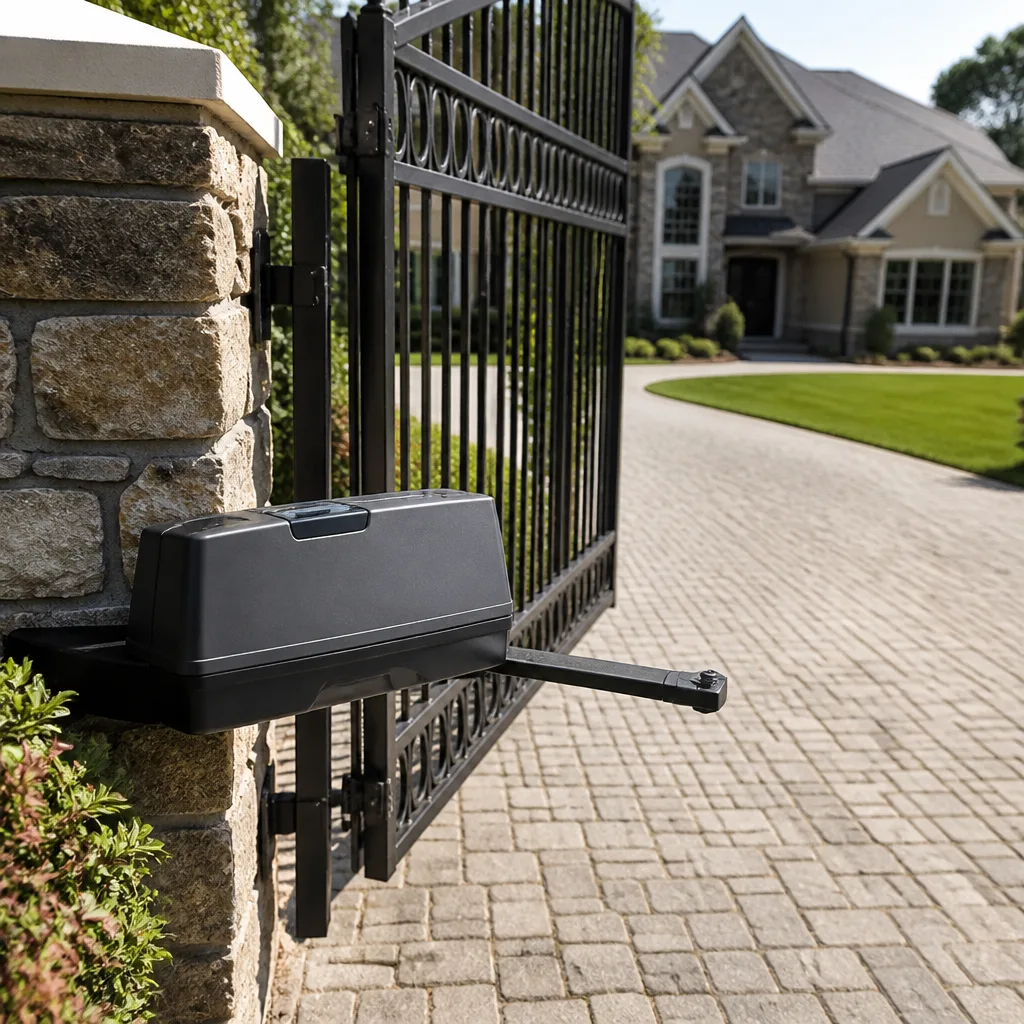 LiftMaster operators
Free on-site gate assessment - hinges, posts, and your LiftMaster or Nice gate operator checked before anything is quoted
The assessment is free and the quote is the invoice.
Get your free estimateGate Repair Emergency Preparedness Guide for Laurelhurst Homes
During a power outage, the most common emergency call we get isn’t a broken gate. It’s a homeowner who can’t find or operate the manual release and is locked out of their own property. That call is entirely preventable, and it’s the reason we wrote this guide. Gate emergencies in Laurelhurst cluster around a few predictable events: extended outages, storm debris coming down off the trees, and freeze cycles that stiffen hardware and stress control boards. The homeowners who come through those events without panic are the ones who already know where the release lever is, how their backup power behaves, and what to say when they pick up the phone. This guide walks through all of it for Laurelhurst properties, from manual release procedures to post-storm assessment to the details that get a technician to your driveway prepared for the right repair.
Quick Answer
Emergency gate preparedness in Laurelhurst comes down to three things: knowing how to manually release your specific operator brand (LiftMaster, FAAC, Elite, Mighty Mule, and the rest), testing your battery backup before the power fails, and having a written backup access plan for every person who uses the gate. If your gate is stuck, jammed, or dead right now, call (844) 494-1604. We answer 24/7, and fast dispatch runs from 7am to 7pm. Our technicians have up to 8 years of experience with automated and electric gate systems, and the estimate is free.
Styles & brands we work with
- Wrought iron
- Wood & steel frame
- Farm & ranch
- Sliding driveway gates
- LiftMaster operators
Table of Contents
- Why Laurelhurst Gates Fail in Predictable Patterns
- How Do You Manually Release a Gate During an Outage?
- Battery Backup: What It Protects and How to Test It
- How to Assess Post-Storm Gate Damage Safely
- Emergency Access Protocols for Multi-User Homes
- What to Have Ready When You Call for Emergency Service
- Preventive Checks That Head Off Most Emergencies
- Common Mistakes to Avoid
Why Laurelhurst Gates Fail in Predictable Patterns
Laurelhurst is an older, heavily treed neighborhood in Portland, and that shapes gate emergencies more than anything else. The big firs and maples that give the area its character also drop limbs and heavy debris in wind storms, and a falling branch doesn’t care whether it lands on a swing gate panel or a slide gate track. When a storm rolls through, we see a wave of calls about bent panels, gates knocked off their tracks, and operators that took an impact and stopped mid-travel.
The second pattern is power. Extended outages are a fact of life in a neighborhood with this much overhead tree canopy, and every automated gate in Laurelhurst depends on electricity to run its operator. When the grid goes down, so does the gate unless there’s a battery backup doing its job.
The third is cold. Portland’s freeze events are short but sharp, and they stiffen hinges, thicken lubricant, and stress control boards that were fine in milder weather. A gate that’s marginal in October can fail outright in a January cold snap.
None of these events are unusual. They’re the baseline for gate ownership in Laurelhurst. That’s actually good news, because predictable problems are the ones you can prepare for. Understanding which failure mode your gate is most exposed to, storm debris, outage, or freeze, tells you where to put your attention before the next event hits.
How Do You Manually Release a Gate During an Outage?
Manually releasing your gate means disengaging the operator so the gate swings or slides freely by hand, and every automated gate has a mechanical way to do it. The method depends on the brand and the operator model. The release is designed for exactly this situation, and using it correctly does no harm to the system.
Here’s the general sequence, which holds across most residential operators:
- Locate the release before you need it. On most swing gate operators it’s a keyed release or a lever on the operator housing. On slide operators it’s often a manual release chain or a lever on the drive. Find it now, in daylight, with the power on, and show everyone in the household where it is.
- Cut power to the operator first. Switch off the operator at its dedicated breaker or disconnect. This prevents the motor from re-engaging while you’re moving the gate by hand.
- Disengage the operator. Turn the release key, pull the lever, or pull the release chain as your operator’s manual directs. You should feel the gear train let go.
- Move the gate by hand. It should travel smoothly with modest effort. If it binds, stop. Forcing a bound gate can bend panels or damage the operator.
- Re-engage when power returns. Move the gate to its closed position, re-engage the release, then restore power and let the operator cycle once to reset its limits.
Brand matters here. A LiftMaster release is keyed and forgiving. A Mighty Mule DIY-grade operator often uses a simpler lever. A commercial-grade FAAC on a larger residential gate may use a keyed release with a different feel. We work on the brand you already have, so when you call we’ll tell you exactly where your release is and how it behaves. Two cautions. Never release a slide gate that’s parked over an uneven surface and walk away from it, because it can drift. And if your gate is on a slope, have a second person steady it while you release. The operator’s wiring and power are the dangerous parts on any gate, so leave the electrical side alone and call a specialist if anything at the control box looks scorched, loose, or wet.
Battery Backup: What It Protects and How to Test It
A battery backup keeps your gate operator running through a power outage, but it protects against one thing only: loss of grid power. It doesn’t protect against a failed control board, a broken drive gear, storm damage to the gate itself, or a release left disengaged. Homeowners often assume a backup battery makes the gate “storm-proof.” It doesn’t. It makes it outage-proof, and that’s a narrower and more useful promise.
How long a backup lasts depends on the battery’s condition, the operator’s draw, and how many cycles the gate runs per day. A gate that opens twice a day will run far longer on backup than one on a busy shared driveway cycling dozens of times. Old batteries hold far less than new ones, and a battery that’s been quietly aging for several seasons may give you only a handful of cycles before it dies. We’ve seen plenty of gates that had a backup installed and never tested, and the first time it mattered, the battery was flat.
Test it before you need it. Here’s how:
- Schedule a test. Pick a low-traffic moment and switch off the operator’s breaker to simulate an outage.
- Run the gate through a full open and close cycle. It should move at normal speed. Sluggish movement means a weak battery.
- Run it several more times. Count how many cycles it completes before it slows or stops. That number tells you your real backup capacity.
- Restore power and confirm normal operation. If the gate ran cleanly, your backup is working. If it didn’t, the battery or the charging circuit needs attention.
- Repeat the test each season. Batteries age silently, and a seasonal test catches decline before an outage does.
If your backup fails the test, that’s not an emergency, but it’s a repair worth scheduling before the next storm season. Call (844) 494-1604 and we’ll book a visit to inspect the battery and charging circuit.
How to Assess Post-Storm Gate Damage Safely
After a wind storm in Laurelhurst, look before you touch. That’s the rule. A gate that took a branch strike or lost power mid-travel can be in a state that looks fine from the driveway and isn’t. Your goal in the first ten minutes is to assess from a safe distance and decide whether to call, not to fix anything yourself.
Here’s what to check, in order:
- Stand back and look at the whole gate. Is a panel bent? Is the gate sitting off its track or hanging at an angle on its hinges? Is anything leaning that shouldn’t be?
- Look for debris on the track or in the swing path. Branches, gravel, and limbs are the most common storm obstructions. Note them, but don’t clear anything under a gate that’s under load.
- Check for downed or hanging wires near the operator. If you see a wire on the ground, a loose connection at the control box, or anything that looks like it’s been pulled loose, stop. Don’t touch it and don’t power the gate. That’s an electrician-and-technician call.
- Listen before you power up. If the gate looks structurally sound and the wiring is intact, restore power and let the operator run. Grinding, clicking, or a gate that stalls halfway means something mechanical is wrong. Cut power and call.
- Leave the heavy lifting alone. A bent panel, a gate off its track, or a damaged hinge is a technician job. Heavy gate panels can crush, and a slide gate that’s come off its track can fall. Don’t try to muscle it back.
In our experience, the post-storm calls that go smoothly are the ones where the homeowner assessed from a distance, cut the power, and called with a clear description. The ones that go sideways are the ones where somebody tried to lift a fallen panel alone.
Emergency Access Protocols for Multi-User Homes
If more than one person uses your gate, you need a written backup access plan, not just a plan in your head. The moment the gate fails, everyone who relies on it needs to know what to do, and “call me” isn’t a plan when you’re the one who’s away.
A working access protocol has these layers:
- Primary access: the keypad code, remote, or transponder that everyone normally uses. Change codes when someone leaves the household, and don’t share codes in group chats.
- Secondary remotes: at least one backup remote kept somewhere secure, like a locked mailbox key box or with a trusted neighbor. Batteries in remotes die, and a dead remote at the wrong moment is a lockout.
- Mechanical key override: many operators and gate latches accept a physical key. Keep a spare key with a neighbor or in a secure lockbox, and make sure the key actually works before you rely on it.
- A written release procedure: a one-page sheet, kept somewhere everyone can find it, showing where the manual release is, what it looks like, and the steps to disengage and re-engage. Include a small photo of your actual release point.
- A contact list: put our number, (844) 494-1604, on that same sheet. We answer 24/7, so a failure at an awkward hour still gets a real answer.
For homes with staff, contractors, or regular visitors, review the protocol with everyone who holds a code or remote. A gate emergency is stressful enough without discovering that only one person knew how the manual release worked. If your access setup includes a keypad or access control panel, we can walk through the failover options for your specific system, whether it’s a DoorKing entry panel or a simpler residential keypad.
What to Have Ready When You Call for Emergency Service
When you call for emergency gate service, the details you provide in the first minute determine how fast a technician can get to the right repair with the right parts. Have these ready before you dial:
- Gate type: slide or swing, single or double, and roughly how wide and tall.
- Operator brand and model: this is the single most useful detail. If you don’t know it, look for a label on the operator housing; a photo of the label sent to the dispatcher works too. Brand fluency is why we can source parts for most systems without a return visit.
- What happened: “stopped mid-open after the storm,” “runs but won’t close,” “no response at all after the outage,” “panel bent by a branch.” Plain descriptions beat technical guesses.
- What you’ve already done: whether you cut power, tried the manual release, or cleared debris. This saves the technician time and keeps you safe.
- Access details: where the gate is relative to the street, whether there’s a locked pedestrian gate, gate code for the technician, and any pets on the property.
- Whether the gate is stuck open or stuck closed: a gate stuck open changes the security picture and often gets prioritized.
If you don’t know your brand, that’s fine. Say so, and we’ll identify it on the visit. Call (844) 494-1604. We answer 24/7. Fast dispatch from 7am to 7pm, and a call outside those hours is booked into the next opening. The estimate is free, and the price is quoted and agreed before any work starts.
Preventive Checks That Head Off Most Emergencies
Most gate emergencies we handle in Laurelhurst had a warning sign weeks earlier. A seasonal walk-around catches the small stuff before it becomes a stuck gate. None of these checks require tools, and you can do them in ten minutes.
Run through this list each season, and always after a major storm:
- Walk the track or swing path. Look for debris, gravel buildup, and loose fasteners. Clear what’s loose and note what’s damaged.
- Wiggle the gate by hand. With the operator off, the gate should move smoothly. Any wobble at the hinges, any grinding in the rollers, or any binding in the track is a repair waiting to happen.
- Test the manual release. Disengage and re-engage it once. A release that’s seized from sitting is a release you can’t use in an outage.
- Test the backup battery. Cut power and run a few cycles, as covered above.
- Check the safety edges and photo eyes. These are what stop the gate if something’s in its path. Test them by placing an object in the path and confirming the gate reverses. If they don’t, schedule a fix before running the gate unattended.
- Look at the control box. Any sign of water intrusion, burnt smell, or loose wiring means it’s time for a technician, not a DIY repair.
If something on the list turns up a problem, that’s the moment to schedule a repair visit rather than wait for a failure. A worn roller, a tired battery, or a misaligned safety edge is a small job now and a lockout or a damaged panel later. We help with gate repair on every brand we serve, and we’ll tell you plainly whether it’s a repair or a replacement. Full-lifecycle work like a new operator or a fresh installation is planned, ordered, and scheduled; for that, we offer a free measure and a written price rather than a same-day promise.
Common Mistakes to Avoid
- Never using the manual release until an outage forces you to. A release that’s sat unused for a couple of seasons can seize. Test it in daylight, with the power on, and show everyone.
- Assuming a battery backup makes the gate storm-proof. A backup only covers power loss. It won’t help with a bent panel, a broken drive gear, or a failed control board, so test it seasonally instead of trusting it blindly.
- Forcing a bound gate. If the gate won’t move by hand, stop. Forcing it can bend panels and damage the operator, turning a small repair into a replacement.
- Touching wiring or a loose control box after a storm. The operator’s power and wiring are the dangerous parts. Leave the electrical side to a trained technician.
- Lifting a fallen gate panel alone. Heavy panels can crush, and a slide gate off its track can fall. Assess from a distance and let a technician with the right equipment handle it.
- Sharing one remote or code and calling it a plan. A multi-user home needs secondary remotes, a working mechanical override, and a written release procedure.
- Calling without the brand and model. The operator brand is the detail that lets a technician arrive prepared. Note it now or photograph the label before you need it.
See the difference
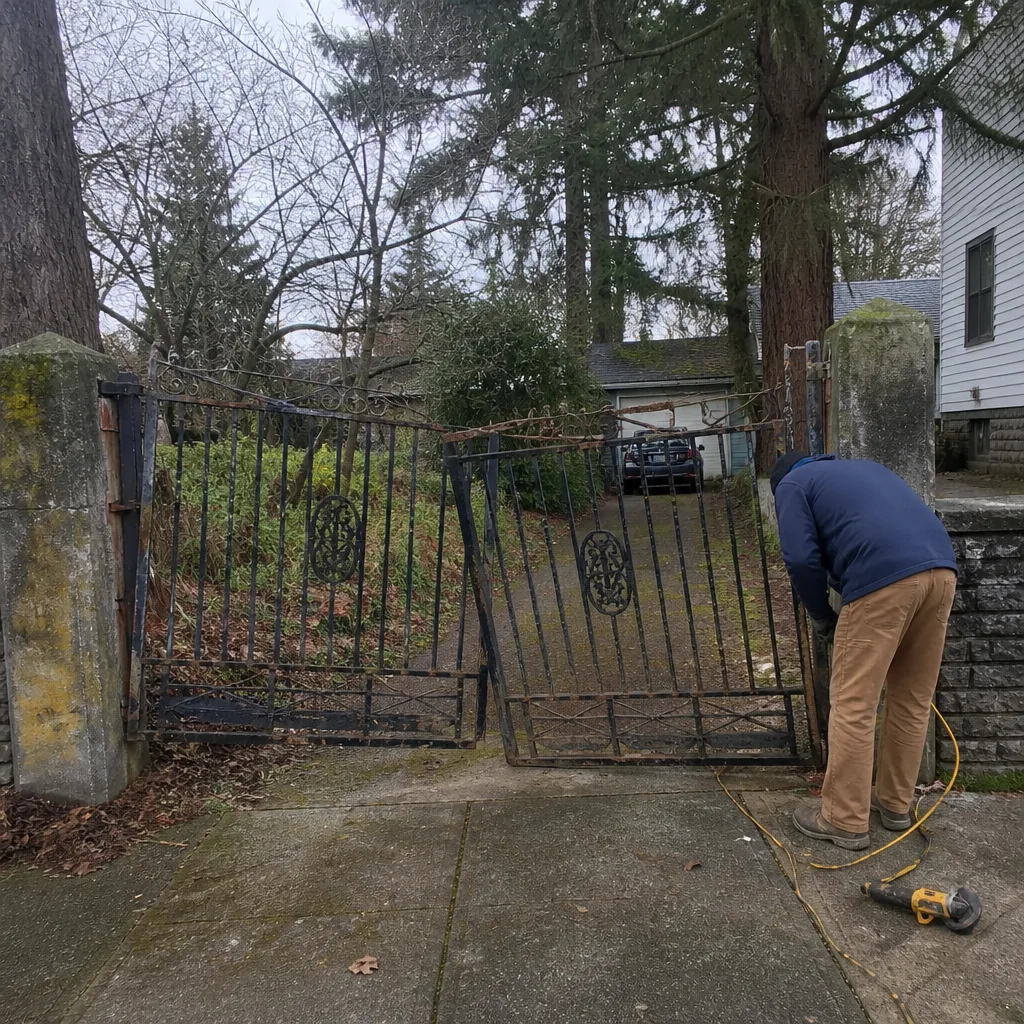 Before
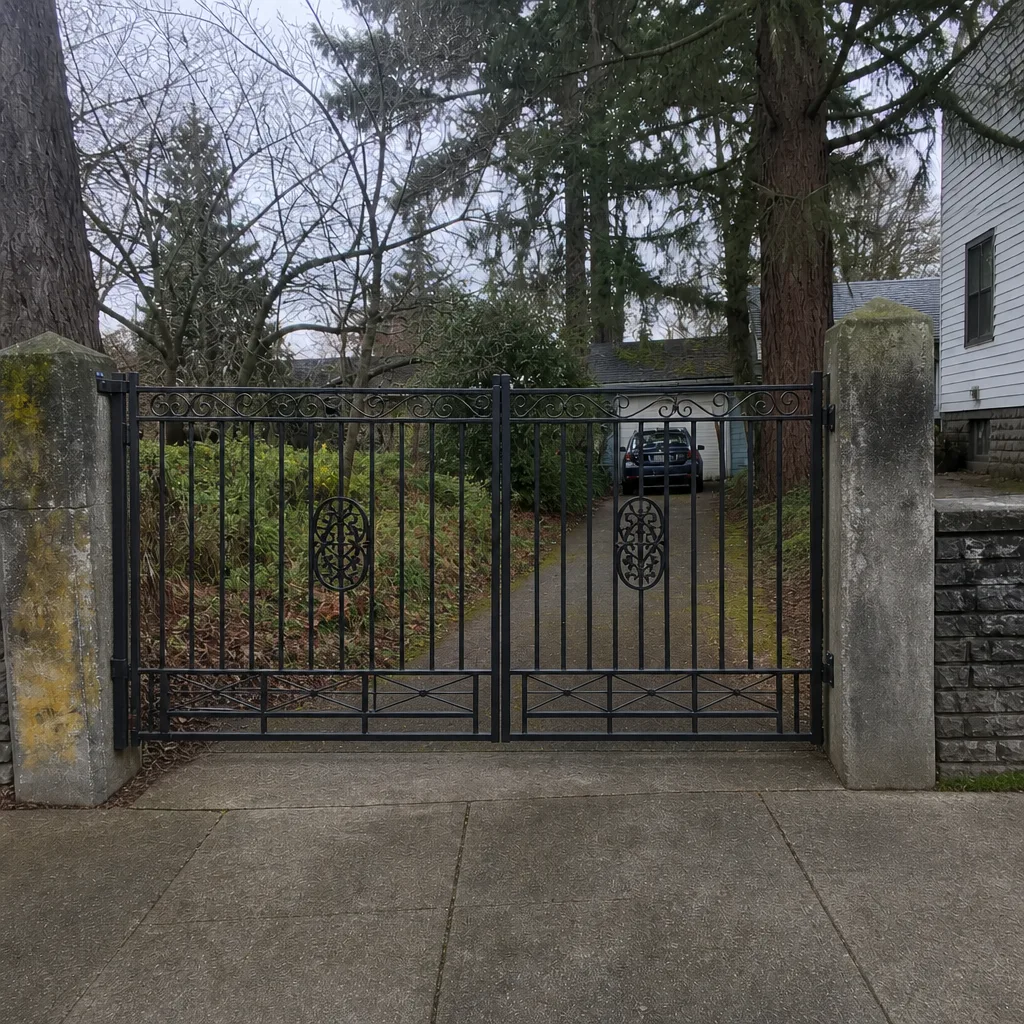 After
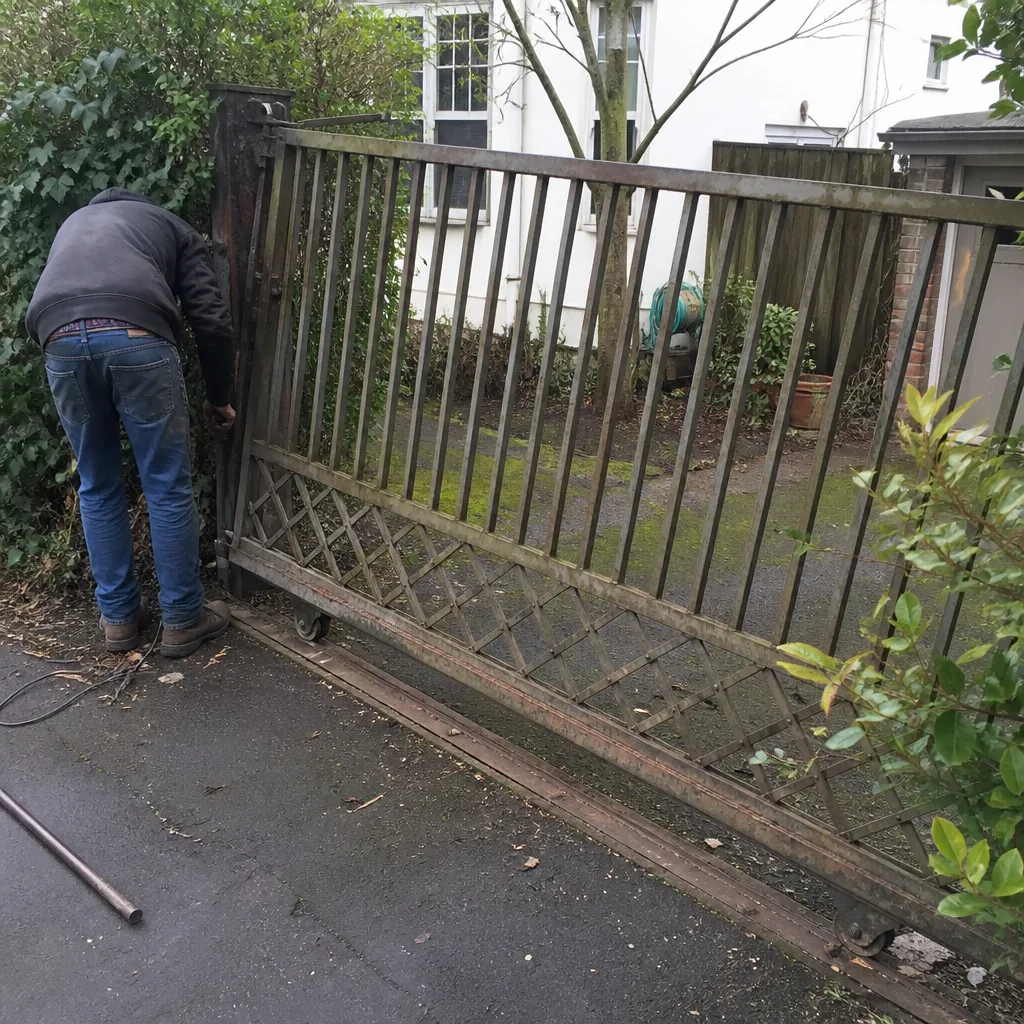 Before
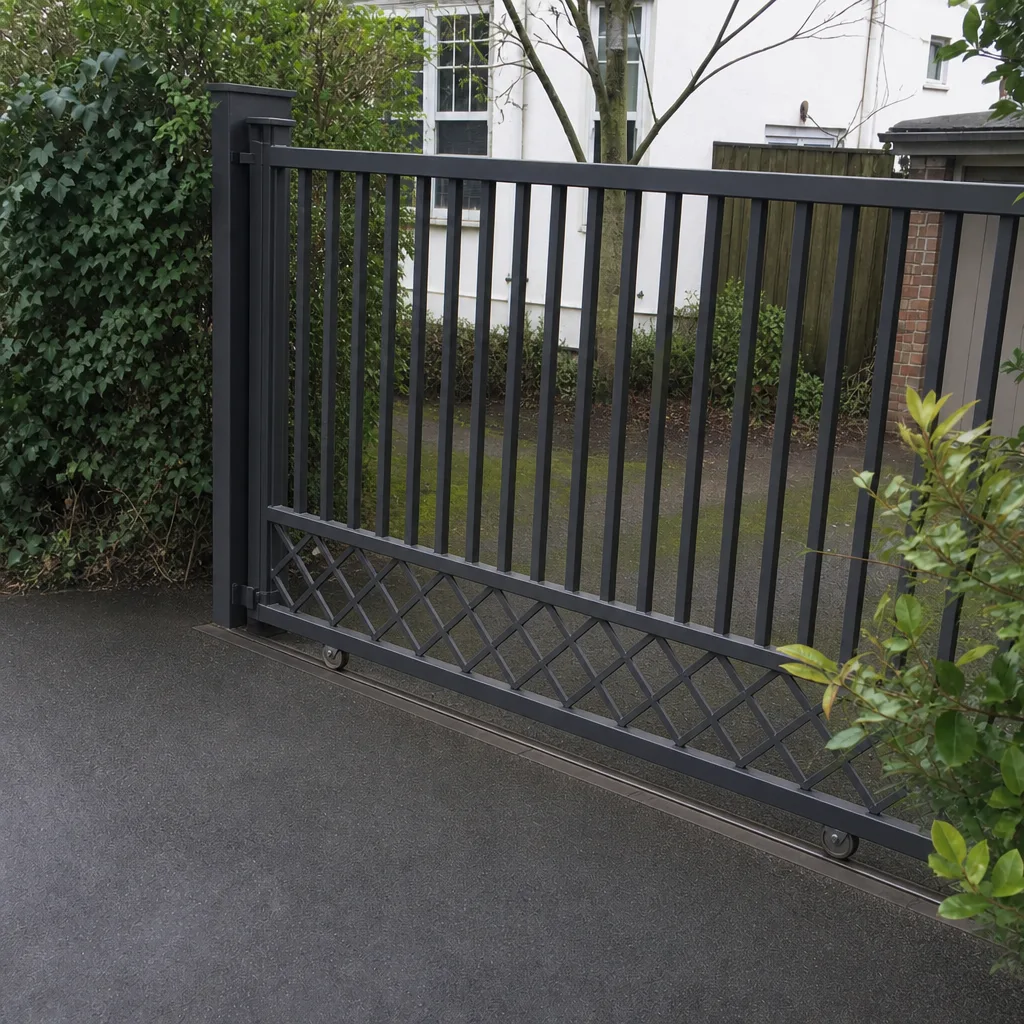 After
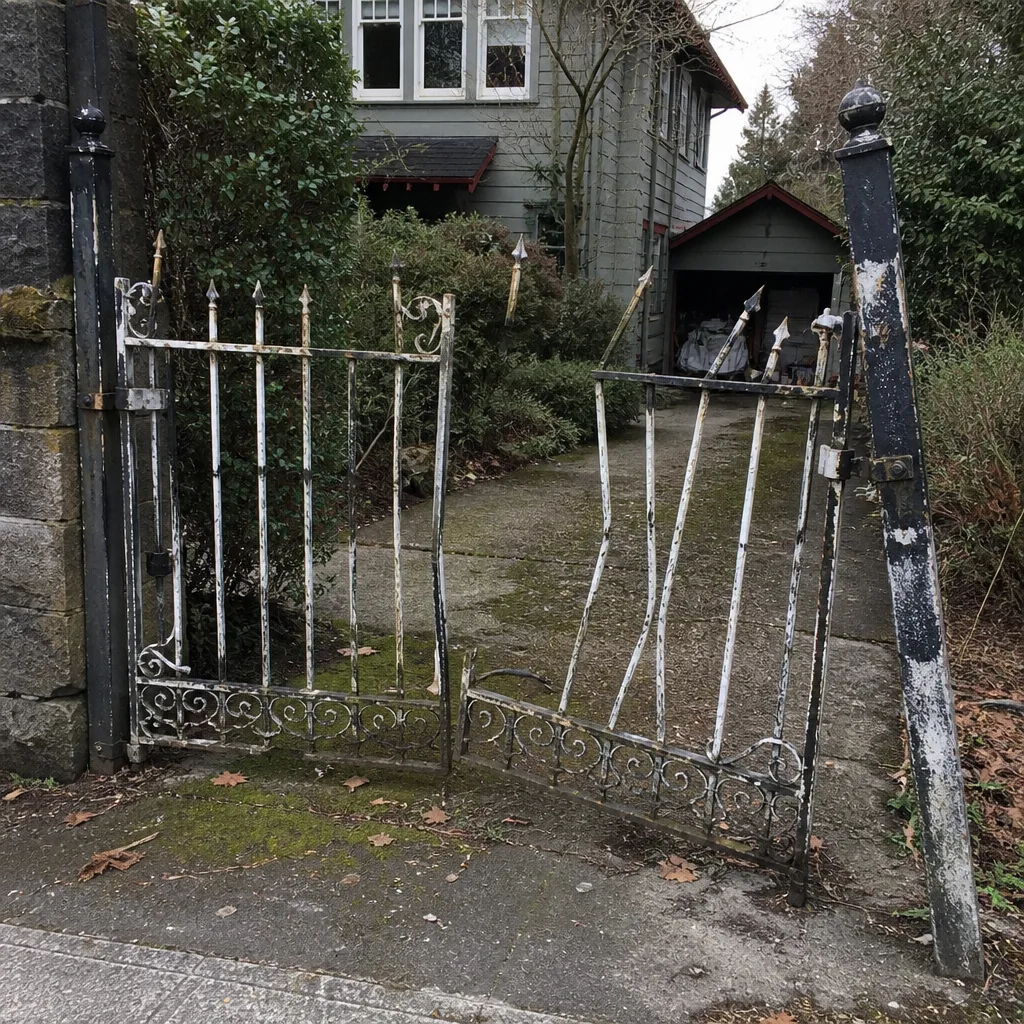 Before
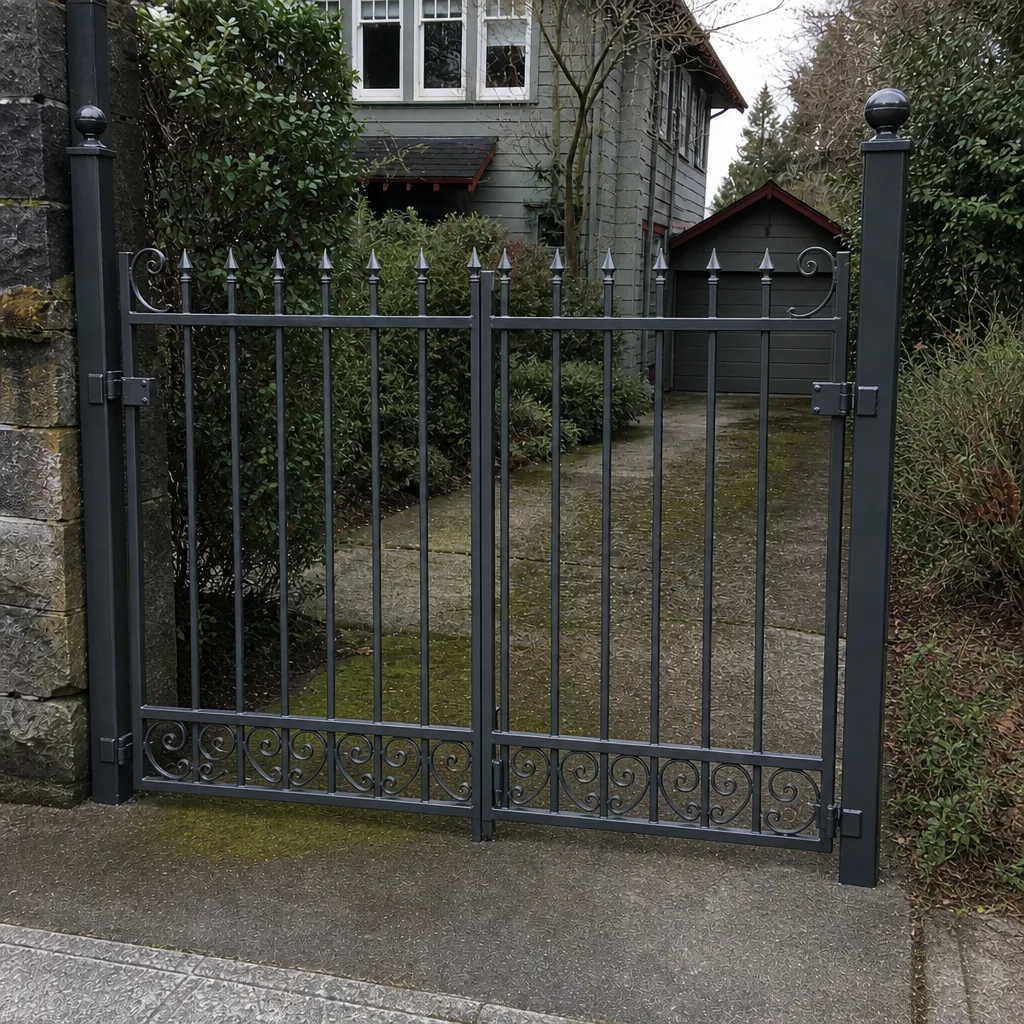 After
When to Call a Professional
Call a professional when the gate is dead or stuck, when it grinds, binds, or stalls mid-travel, when a storm has bent a panel or knocked the gate off its track, when the control box looks wet or scorched, or when the safety edges and photo eyes fail their test. Call if your backup battery fails its seasonal test, and call if you can’t identify your operator brand and want it documented. Any wiring, power, or control-board issue belongs to a trained technician, not a homeowner with a tool set. Gate Repair Laurelhurst offers free estimates in Laurelhurst, and we work on the brand you already have rather than pushing a replacement you don’t need. Call (844) 494-1604 to book. We answer 24/7, fast dispatch runs from 7am to 7pm, and the price is quoted and agreed before any work starts. When readiness matters more than a rush, a free measure and a written price cover the planned work, from new gate installation to a gate motor & opener replacement.
Frequently Asked Questions
Cut power to the operator, then use the manual release on the operator housing to disengage the motor, and move the gate by hand. Most residential operators use a keyed release or a release lever, though the exact method depends on the brand. Find and test your release before an outage, not during one. Call (844) 494-1604 for an exact quote on a release repair or inspection, and estimates are free.
It depends on battery condition, operator draw, and how many cycles your gate runs per day. A gate that cycles a few times a day will run far longer on backup than a busy shared driveway. Test it seasonally by cutting power and counting the cycles it completes before it slows; that number is your real backup capacity. Call (844) 494-1604 if your backup fails the test.
In most cases, yes, if the problem is a repair and there’s a slot in the day. Call (844) 494-1604. We answer 24/7, fast dispatch runs from 7am to 7pm, and a call outside those hours is booked into the next opening. The estimate is free, and the price is quoted and agreed before any work starts.
Assess from a distance, keep everyone clear, and don’t try to lift or straighten the panel yourself, since heavy panels can crush. Cut power to the operator if any wiring looks disturbed, and leave the mechanical work to a technician. Call (844) 494-1604 to book a repair visit; estimates are free.
We work on the systems from nine major brands, including LiftMaster, FAAC, Elite, and Mighty Mule, so we can diagnose and source parts for most setups without sending you elsewhere. If you don’t know your brand, photograph the operator label and bring it up when you call. Call (844) 494-1604 for a free estimate.
Have your gate type (slide or swing), operator brand and model, a plain description of the failure, what you’ve already done, and the access details for the technician. That lets the technician arrive prepared for the right repair. Call (844) 494-1604, and the estimate is free.
The Bottom Line
Gate emergencies in Laurelhurst tend to follow outages, storms, and freeze events, and the homes that come through them calmly are the ones that prepared in advance. Know where your manual release is and how it works. Test your battery backup each season so you know its real capacity. Keep a written access protocol with secondary remotes, a working mechanical override, and a release procedure everyone can find. After a storm, assess from a distance and leave the dangerous parts to a technician. And when you call, have your brand and model ready so the right repair arrives on the first visit. That preparation is what turns a lockout into a minor inconvenience. Call us today at (844) 494-1604 for a free estimate. Gate Repair Laurelhurst handles the gate repair Laurelhurst homeowners and property managers rely on, from the motor to the access panel, for driveway sliders and commercial swing gates alike.
Written by the team at Gate Repair Laurelhurst.